
Why Is Rent So High? 7 Key Reasons Explained
[Photo by Andrii Yalanskyii from Getty Images.]
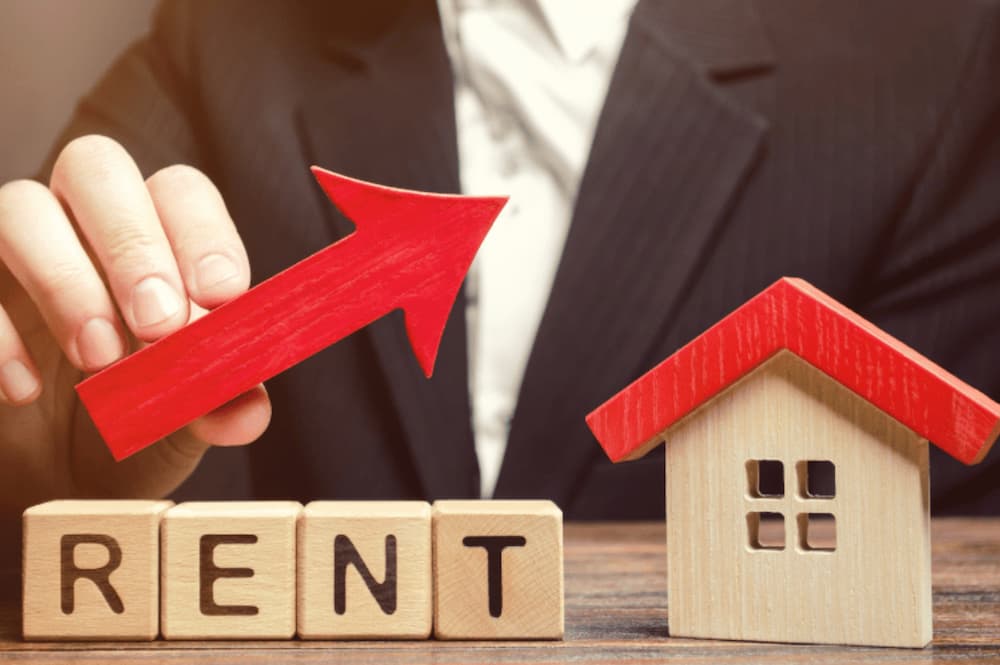
It's a strange, frustrating time to be a renter in many cities across the country. We're writing this in 2026, and while the wild economic swings of the early 2020s have mostly leveled out, the cost of a roof over your head is still skyrocketing.
If you've recently looked at rental properties, you'll have no doubt been shocked by the cost. This reality leaves many asking, "Why is rent so high right now?"
Usually, when inflation cools down, we expect to see some relief in our monthly bills. But rent is a different beast entirely. It's "sticky." Once rent prices go up, they rarely come back down. This has created what economists call an "unprecedented paradox." The rest of the world is getting back to normal, but the rental market is permanently stuck on the climb.
For the 66% of us who share our lives with a dog, the situation is even more complex. You have to find a landlord who won't look at your Golden Retriever as a liability and a roommate who won't mind the occasional zoomies.
The good news is that at SpareRoom, we're helping people rethink what "home" looks like by prioritizing the people you live with over the square footage you can afford on your own.
In this post, we're going to pull back the curtain on what's happening in the housing market. We'll give you all the reasons why rent is high, starting with the massive supply deficit, the hidden "pet premiums" that drain your money, and the practical ways people are navigating this mess. Let's get right into these reasons!
1. There's a Chronic Shortage of 4 Million Homes
At its simplest level, the reason your rent is so high is that we're playing a massive game of musical chairs. Millions of people are left without a seat because housing costs have outpaced wages.
According to a recent Harvard study from the Joint Center for Housing Studies (JCHS), 2024, the country is facing a deficit of roughly 4 million housing units. We lack "starter" homes and modest apartments, the kind of properties that used to be the backbone of the rental market.
This “4 million homes” gap is growing wider by the day, resulting in even lower supply and higher demand for housing. The lack of new housing means that rent prices continue to rise because there simply aren't enough homes to go around.
The situation for the lowest-income renters is even more dire. Many spend more than a third of their income just to keep a roof over their head, often leading to increased credit card debt as they struggle to pay for other essentials.
[Photo by Francesco Scatena from Getty Images.]
2. Outdated Zoning Laws Are Making It Worse
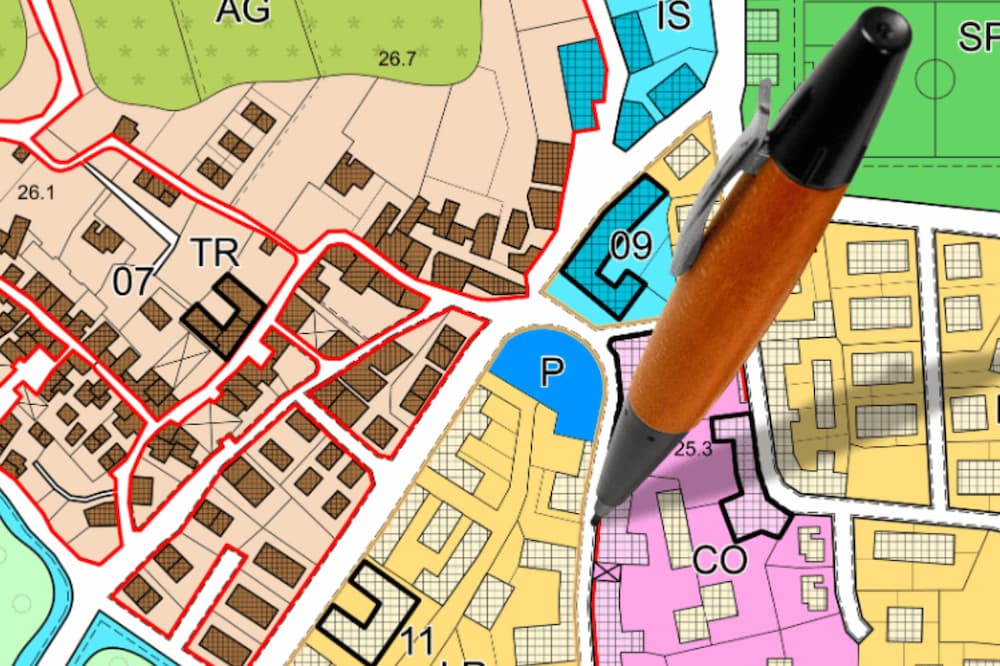
Outdated zoning laws are a big part of why rent is so high. In many states, it's still illegal to build anything other than single-family homes on large plots of land. These zoning rules prevent the “density” we need, like townhomes, duplexes, or small apartment buildings, which could help bring prices down.
Take California, for example. Many cities in this state still enforce strict single-family zoning laws, meaning large lots can only hold one home. If zoning laws allowed for more multi-unit buildings, like duplexes or small apartment complexes, instead of larger homes for one family, the supply of cheaper housing would increase, lowering competition and ultimately bringing rents down. But these restrictions keep new housing types out of the equation, driving prices up.
Some areas are starting to embrace solutions like accessory dwelling units (ADUs) or “granny flats,” which allow homeowners to build small rental units on their property. However, progress is slow. Until we change how we think about land use and allow for more housing types, the supply will remain restricted, and rent prices will keep climbing.
As noted in this recent Washington Post article, "Cities Keep Repeating this Failed Policy Experiment", this zoning bottleneck is a primary driver of rent increases in major cities, as it creates an environment where demand constantly outstrips what the market is allowed to build.
3. High Mortgage Rates Are Forcing Would-be Buyers to Remain Renters
In a normal economy, there's a predictable "flow" to the housing market. People rent for a few years, save up money, and then buy a home. This opens up their apartments for the next person.
Right now, the case is different. High interest rates are blocking that flow. In 2025, mortgage rates hovered at around 6-7%. Many who want to buy have realized they simply can't afford the monthly payments.
This creates the "Interest Rate Lock-in" effect. When people with "home-buying money" remain in the rental market, it keeps the supply of affordable housing low.
How this Affects Rent Prices:
- Increased Competition: You're competing with high-earning professionals who would have been homeowners three years ago.
- Lower Vacancy Rates: Since people are not moving out to buy, there are fewer natural openings in the market.
- Price Stickiness: Landlords know they have a captive audience and feel less pressure to lower rents to attract tenants.
[Photo by Bhutinat Supin from Getty Images.]
4. Developers Are Building Luxury, Not New Affordable Housing
If you look out the window in any major city, you'll likely see a skyline full of construction cranes. You'd think all that new housing would bring prices down.
Unfortunately, developers and property owners often claim they can't make a profit unless they build luxury apartments. This has led to the "Missing Middle" crisis. We now have a growing number of high-end lofts with hundreds of thousands of dollars in amenities, but almost no affordable housing for the average person.
While luxury units might have higher vacancy rates, they don't help the lowest- and middle-income renters. Landlords of these properties would rather offer a free month of rent than actually lower the base prices.
This keeps both the lower and median-income earners priced out of the market. Without government subsidies or rent control, many people are bound to feel the heat of high housing costs.
How to Navigate this:
Many people navigating this uptick in demand and struggling with rising rents have chosen to find a roommate. Shared housing is a smart way of surviving the skyrocketing rent prices in these hot markets.
Platforms like SpareRoom, the number one roommate finder, are helping millions of people find compatible roomies and secure a more affordable living situation. You can find roommates in Austin, Los Angeles, NYC, Seattle, San Francisco, and literally anywhere in the U.S., using the roommate finder.
Note that shared living is no longer just for young students or recent graduates. It's also a practical choice for professionals who want to live in neighborhoods they love, without breaking the bank. People love using SpareRoom because:
- We're the Busiest: Every three minutes, someone finds a roomie on SpareRoom. Be sure you'll find yours too!
- We Prioritize Safety: Our team of moderators works 7 days a week, reviewing ads and content.
- We're All About People: Everyone's idea of the perfect roommate is different. We make it easy for you to search based on what's important to you.
In case you're not sure what to do, read our guide on how to find a roommate to give you an idea of where to start and what to look out for.
5. Landlord Overhead and Hidden Housing Costs Have Spiked: Inflationary Ripple Effect
The expenses a landlord pays to keep apartments running have become incredibly expensive. While we often think of rent as pure profit, for many property owners, a big chunk of the check goes toward maintenance and other costs. Inflation has hit every part of the business and is affecting:
- Landlord Overheads: Property insurance premiums have skyrocketed, sometimes by more than 20% in the past year. These costs are particularly high in states such as Florida, California, and Texas, owing to climate-related factors.
- Property Taxes: Since property values have been at an all-time high, local governments have adjusted tax assessments upward to fund other projects. These aren't costs a landlord can "absorb" for long.
- Maintenance and Utilities: The cost of skilled labor and raw materials also remains high. Every time a water heater breaks, it costs more money than it did three years ago to repair it.
And you know the drill. When utilities and maintenance prices rise, the rent usually follows. Renters end up footing the bill for the inflation affecting property owners. That's the ripple effect keeping rent so high.

[Photo by AntonioGuillem from Getty Images.]
6. The "Urban Rebound" is Bringing Everyone Back to Expensive Cities
Many large companies that began remote working in 2020 have been reverting to factory settings. In 2025, corporate mandates brought workers back to major communities and urban areas.
As a result, housing demand in cities such as New York, Miami, Austin, and more has surged again, putting additional pressure on "renter-dense" neighborhoods.
As more employees flood back, neighborhoods that were once quieter during the remote-work boom are now experiencing a housing surge. The increased demand in these renter-dense areas puts even more pressure on an already strained housing market, pushing rent prices even higher.
Now, let's look at the final reason why rents are so high.
7. You're Paying Rent For You and Your Furry Friends: The Pet Premium
If you have a dog, get ready to pay the pet premium. The "pet-friendly" label on a listing is often a polite fiction. According to the 2025 Pet-Inclusive Housing Initiative (PIHI) report, roughly 76% of landlords claim to be pet-friendly. However, only 8% out of the 76% have no breed or weight restrictions. In other words, truly unrestricted pet-friendly housing is far less common than it appears.
This creates something called the Pet-Inclusive Gap. This means that if you own a restricted breed or a dog over 50 pounds, your options shrink by nearly 90%. This scarcity allows properties to charge a pet premium.
This is how it works:
- Pet Rent: It's standard to see a monthly surcharge of $35 to $100 per dog. Over a year, that's an extra $1,200, which is essentially a 13th month of rent just for your furry best friend.
- Non-refundable Deposits: These fees (often $300+) are never coming back! They're an entry tax for pet owners.
This lack of affordability forces dog owners to settle for lower-quality housing just to keep their families together. Also, it makes dog owners "sticky" tenants, meaning they're less likely to move even when rent increases, simply because they aren't sure they'll find another place that accepts their pet.
The Solution: Finding Pet-Friendly Rooms or Roomies
Many major cities with high rental demand simply don't have enough pet-inclusive units. If you're a pet owner struggling to find affordable housing that suits your budget and furry companion, SpareRoom is here to help you find the perfect place. Simply do this:
- Browse Pet-Friendly Rooms on SpareRoom: After keying in your targeted location, use the "Pets Considered" filter to find pet-friendly, affordable rooms. Instead of facing the uphill battle of convincing a landlord to accept your dog, you can just find places that are already open to pets on SpareRoom. You can use this filter to find:
- Rooms for rent Austin
- Rooms for rent Philadephia
- Rooms for rent Chicago
- And more pet-friendly housing across the U.S.!
- Roommate Matching: If you like a particular place and are looking for someone to help you afford housing, also search for pet-friendly roommates. Sharing a home with someone who's open to living with pets can help you save money on rent and ensure your dog has a welcoming home.
[Photo by design491 from Getty Images.]
Our Expert Strategies for Renters in 2026
To win in this rental market, you have to be a pro renter. Consider the following:
- The Pet Resume: Create a pet resume with a photo, training certifications, vaccination records, and references (such as a previous landlord and/or veterinarian). It proves you're a responsible owner. It can help reassure landlords who may be hesitant about allowing pets. While it won't override breed or weight restrictions, it can sometimes strengthen your application in competitive situations.
- Timing the Market: Try to move between October and April. Demand drops in the colder months, and you're more likely to find cheaper housing deals.
- Leverage Knowledge: Know the legal laws that protect you, and what a landlord can and cannot do in your state. We've created expert guides to equip you with the knowledge you need to become a pro renter:
Frequently Asked Questions
Why is rent so high right now?
High-end luxury units always drive up average rent prices. Even if most apartments are slightly cheaper, a volume of $5,000+ luxury rentals pushes the average rent well above what most people can afford. You end up spending more than half of your income on rent.
Why is rent so high worldwide?
Rent is high in a lot of countries due to a global supply and demand issue. High interest rates and urban household formation trends mean people in every country are competing for limited space in major cities.
Which place in the U.S. has the highest rent?
New York City remains the most expensive city to rent in the U.S., followed closely by Los Angeles and San Francisco.
Can I say no to a rent increase?
You can't "refuse" if it's legal, but you can negotiate. If you've been a great tenant and always pay on time, point that out. Sometimes, landlords prefer stability over more money.
Is it legal to increase rent by 10%?
In many states without rent control, it's legal. However, some areas have strict control laws. Always check your local rent data.
Conclusion
The rental market is a challenge, but it isn't a dead end. While rent is super high due to the supply gap, zoning laws, an influx of luxury apartments, inflation, and more, it's still possible to navigate this hurdle and live comfortably.
Take your time to find the most affordable units and consider sharing with roommates if you're not doing this already. As the number one roommate finder site, we're here to help you do that within a few simple clicks.
Disclaimer - This information is for general informational purposes only and should not be treated as legal advice. We recommend you consult an experienced Landlord Tenant attorney if you require legal advice.
References
- Joint Center for Housing Studies of Harvard University. (2024). The state of the nation's housing 2024. JCHS.
- Pet-Inclusive Housing Initiative (PIHI). (2025). Pets & housing data: 2025 edition. PIHI.
- Washington Post Editorial Board. (2025, December 16). Cities keep repeating this failed policy experiment. The Washington Post.