
What a Landlord Cannot Do: A Guide For Tenants and Roommates

[Image by JackF on Canva.]
No matter where you live, it's important to know your rights as a renter. We often hear stories about renters and roommates putting up with conditions their landlord should be dealing with. This is because they're unaware of their rights. These rules apply equally to someone with roommates in Los Angeles as they do to landlords in other counties or cities.
We'll look at what a landlord cannot do according to most landlord-tenant laws in place. We'll also look at the best way to find a roommate. If you and your roommates are looking for your next place, whether it's rooms for rent in Boston, affordable housing in Texas, or roommates in Miami, New York City, or anywhere else in the US, SpareRoom can help you find the ideal fit. With the right roommates and an understanding of your rights, you can feel comfortable and secure while renting.
Discrimination: The Fair Housing Act and You
The Fair Housing Act of 1968 exists explicitly to prevent discrimination in housing matters. These regulations are in place to stop housing providers, such as landlords and property management owners, from discriminating. Landlords renting to a single tenant or a group of roommates must follow these regulations.
They also ensure that insurance companies don't discriminate when providing renters' insurance.

[Image by sturi on Canva.]
What Protection Does the Fair Housing Act Provide?
Under the Fair Housing Act, it's illegal to discriminate against tenants (current or prospective) based upon their:
- Race and skin color
- Religion
- Sex or sexual orientation
- National origin (either of the tenant themselves or their family in general)
- Family status
- Disability status
Racial discrimination is by far the most common of these discriminatory practices. The majority of Fair Housing cases involve treating a tenant unfairly because of their race, skin color, or nationality. Still, it's important to know that discrimination based on the other factors mentioned above does occur, and knowing your rights is crucial.
For example, it's almost always unlawful for landlords to refuse to rent to someone because they have children. This is unless the landlord expressly designates the property as “senior housing”. This would be considered family status discrimination, because having children would limit the renter's ability to get housing.
A landlord also cannot:
- Evict or threaten to evict a family once they have a child
- Ask tenants with children to live on certain floors or in specific areas
- Impose unreasonable rules about children using common areas
There are also protections in place for people with disabilities. A landlord cannot refuse to make reasonable accommodations for individuals with disabilities. This would constitute discrimination and violate landlord-tenant laws.
Renting a room in Los Angeles, finding a roommate in Miami, or looking at Houston rentals shouldn't involve any discrimination. Because of how extensive housing laws are, seek legal advice if you think you're experiencing housing discrimination.
Security Deposit Dishonesty
Security deposits are another universal constant in the rental industry. In addition to the first month's rent, most renters also need to pay a security deposit.
However, while tenants should expect to pay a security deposit, a landlord cannot misuse the funds. Some examples of a misuse of funds include:
- Use for normal wear and tear
- Claiming excessive damages
- Put the security deposit into an interest-bearing deposit account (always check your local laws.)
- Failing to return the security deposit at the end of the lease
Landlords also can't refuse to return a security deposit without a good reason.
When a tenancy ends, the landlord and tenant must walk through the property together. They should both note any damages caused by the tenant during their tenancy. The landlord will use the security deposit to repair these damages. Normal wear and tear doesn't count as damage. If a landlord fails to return the security deposit within the specified timeframe, the tenant may pursue legal action.

[Image by SDI Productions on Canva.]
Illegal Entry
All tenants have the right to privacy. This applies when they're renting a room in a house, an apartment attached to a house, or an entire property. A landlord can't enter the rental space:
- Without the tenant's permission
- Without giving the tenant enough advance notice of their visit
States' laws vary regarding the specifics of how much prior notice your landlord should give you. However, the standard procedure is for a landlord to notify a tenant at least a day or two in advance.
These rules also apply to room rentals. A landlord cannot enter your room without your permission or written notice. This applies, even if your landlord lives on-site as the primary resident and you're leasing a room or granny flat.
This also goes for regular roommates. Even if you share a lease, a roommate shouldn't trespass into your room. Make sure that potential roommates understand these expectations. Include the subject of boundaries when deciding on questions to ask potential roommates.
Exceptions to the Rule
Certain circumstances are exceptions to this rule. In emergencies, landlords have more leeway when it comes to entering a rental property without permission or giving notice.
A landlord can enter without repercussions if the situation is urgent. This includes:
- There's a time-sensitive repair the landlord needs to do for the welfare of the residents, such as a burst pipe
- There's a danger to life, such as a gas leak
However, even in an emergency, a landlord must still inform the tenant that they've entered the residence and provide the reason.
Also, when it comes to an emergency entry, there must be what is called a “bona fide emergency”. The landlord must genuinely believe there is an emergency and be willing to swear to it. Then, they're allowed to enter solely for the purpose of resolving the emergency.
This means that the emergency must be real for the entry to be legal. A landlord cannot claim an emergency as an excuse to enter the property with an ulterior motive.
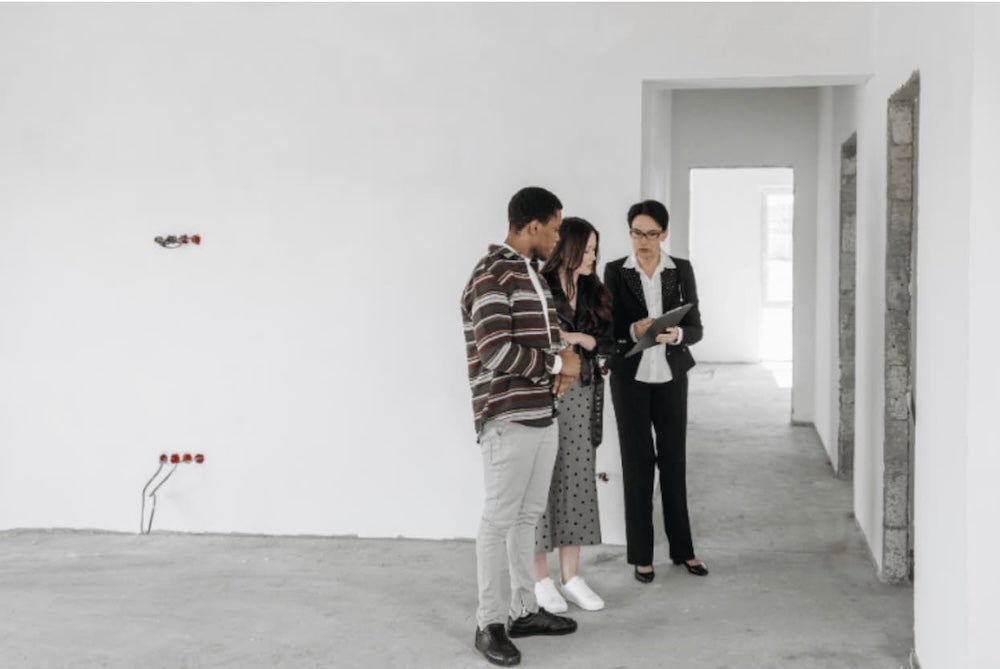
[Image by Pavel Danilyuk on Canva.]
Unlawful Rent Increases
No one likes rental increases, but they're normal. However, there are situations where a rent increase is illegal.
Property owners or landlords typically set rental prices at their discretion. The exception is affordable housing locations, which have a cap regarding the percentage of their income that tenants must use to pay rent. What a landlord cannot do is change rent prices in a way that violates landlord-tenant laws.
There are three types of illegal rent increases:
- Increases that occur without reasonable notice
- Raising the rent payment to an amount exceeding the established legal limit
- Increases that are in retaliation against tenants in response to something that has irked them
Rent Increase Without Proper Notice
A landlord can't raise rents without giving the tenants proper notice. State laws differ on what constitutes sufficient notice. In some states, 30 days is considered appropriate notice. In others, it can be as little as 15 days or as many as 90 days. Still, one constant remains: the landlord must give you appropriate notice of a rent increase before the new rate takes effect.
If a landlord doesn't follow these standards, it could cause friction between them and their tenants. It can also result in serious legal repercussions, like fines. Some states have looser regulations when it comes to rent control, but in most places, a landlord can't usually raise the rent during the initial period of a lease agreement. This doesn't apply if:
- There's a provision relating to rent increases in their lease agreement
- They're renting on a month-to-month basis
Once the initial lease term concludes, however, unless the parties reach a new lease agreement, the tenancy typically transitions to a month-to-month arrangement. Month-to-month rentals usually have fewer restrictions in place for when a landlord can raise the rates on the rental property.
It's crucial to carefully review your lease agreement before signing it. You must understand the lease terms, including when the lease expires and what changes may occur when the lease term ends.

[Image by carlsoalvarez on Canva.]
Rent Increase Beyond Legal Limit
Landlord-tenant laws in every state differ, and local laws may vary depending on the county or city. However, there are rules in place that stop landlords from increasing the rent by an unreasonable or unfair amount.
The rent cap is typically based on a percentage of the property's value. Landlords aren't allowed to go over this percentage, or they could face legal action. This is why it's important to use trusted roommate finders, where you can find trustworthy landlords.
Rent Increase As Retaliation
Another common illegal landlord action in the rental industry is when a landlord increases rent in response to a tenant's actions.
Things landlords often retaliate against include:
- Complaints about the property
- Requested repairs that they don't want to make
- Renters exercising their tenant rights
When Do Rent Increases Count as Price Gouging?
Price gouging is a sudden spike in rental prices immediately following a disaster or when housing is at a premium. In these situations, landlords try to force tenants to pay exorbitant costs since they have limited alternatives.
Price gouging leads to very serious legal consequences, which means it's on the list of things landlords cannot do.

[Image by Monkey Business Images on Canva.]
Illegal Lockouts: What to Know
If you've never heard of the term "illegal lockout" before, you're not alone. Most people don't understand what it means until they face an illegal lockout situation themselves.
An illegal lockout is when a landlord attempts to prevent a tenant from accessing or living in their rental property through unlawful means.
Illegal lockouts are typically "do-it-yourself" attempts at eviction. They occur because landlords prefer not to follow the proper legal channels for the eviction process.
Common lockout methods utilized by landlords include:
- Changing the locks on the rental unit without reasonable notice or justification
- Failing to give a copy of the new key to the tenant
- Deliberately shutting off utilities with the intent to make living in the residence difficult for the tenant
- The removal of a tenant's personal property from the rental unit
Lockout situations can be frustrating and even frightening to deal with. However, there are specific eviction laws that regulate when and how a landlord can evict you. Often, a tenant struggling with a landlord trying to evict them illegally can find help in the court system.
Failing to Disclose Safety Hazards
Landlords must be honest about the condition of their rental units. They must identify any hazards in the rental property before the tenant moves in. They must also take steps to ensure the property remains in good, safe condition.
It's unethical for landlords to hide possible health or safety risks. It's also potentially illegal, depending on the state and housing regulations.
Possible health and safety risks include:
- Lead paint
- Flood risk
- Pest problems
- Broken windows or doors
- Electrical issues
- Sanitation concerns
- Mold problems
If your home has a potential hazard that the landlord didn't disclose, document everything and report the issue to the landlord. A landlord has a duty of care to their tenants regarding matters of health and safety. Because of this, they have to address any concerns that tenants may have.
If a landlord fails to resolve the issue or takes longer than is reasonable to address it, then reporting it to local health and safety authorities is the next best step.
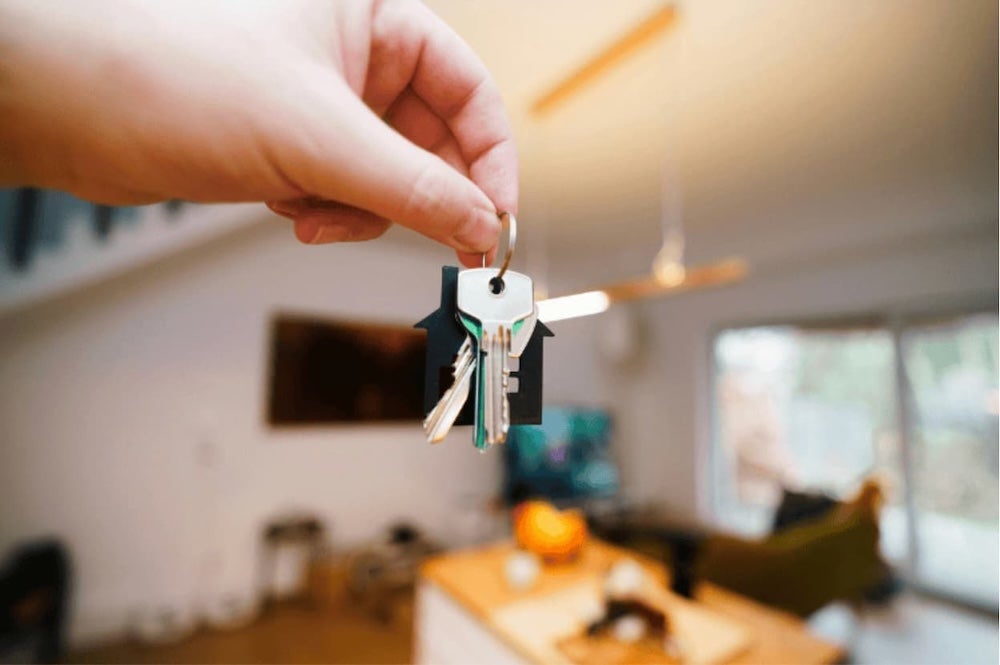
[Image by Jakub Zerdzicki on Canva.]
Complaint Retaliation
Renters should be able to bring up complaints about any aspect of their rental situation honestly with their landlord.
Issues could relate to:
- The conditions of the rental property
- Concerns about rent
- Utility increases
- Dissatisfaction with the lease agreement.
If necessary, they should report it to the appropriate government authority without being scared of retaliation. Regrettably, this is not always the case.
While the motivations behind complaint retaliation can vary, there are a few actions landlords take when attempting to punish a tenant for filing a complaint.
Types of Retaliation
The most commonly seen forms of retaliation include:
- A sudden and unjustified rent increase
- Shutting off utilities
- Decreasing services or availability for amenities such as on-site laundry and parking
- Refusing to perform necessary repairs in the rental unit
- Attempting to evict the tenant outright
How To Handle Retaliation
The most effective way to protect yourself from retaliatory measures is to document your complaints and your landlord's responses.
You should also reach out to your local housing authority if you anticipate any issues. Don't wait until you experience trouble with your landlord relating to a complaint you have made.

[Image by sturti on Canva.]
Illegal Landlord Actions: What To Do if It Happens to You
It's difficult to know the correct path forward when a landlord violates housing laws. Some renters are uncertain about their rights, while others may feel that pursuing justice in response to unfair treatment could invite further trouble in the form of retaliation.
Documentation is so important when it comes to proving that a landlord's actions are illegal. Keep records of all concerns, complaints, and questionable actions.
Many resources can guide you on how to proceed if you feel you're in an uncomfortable situation with your landlord. Take the time to research your specific concern and reach out to knowledgeable experts as needed.
Early Landlord Red Flags That Tenants Should Look Out For
When renting a room or property, it's important to be aware of potential landlord red flags. These could indicate a problematic landlord or rental experience. Here are some early warning signs to look for:
Unclear or Incomplete Rental Agreement
The lease agreement should be clear, include important details, and contain simple terms. A well-written lease should clearly define rent amounts, security deposits, maintenance responsibilities, and lease termination conditions.
Unfinished or Poor Maintenance
Regular maintenance and timely repairs are important to a good living situation. Look out for poor maintenance or rushed repairs.
Request for Cash Payments
The landlord insists on cash-only monthly rent payments or doesn't provide a proper receipt for payments made.
Poor Communication
Landlord responsibilities include being:
- Easy to reach
- Responsive to emails or calls
- Open to maintenance requests
- Respectful in all communications
Landlords who don't follow the above might not be committed to a good tenant experience.
Other Red Flags to Consider:
- Reluctance to provide references or information
- High rent compared to market value
- Pressure to sign quickly
- Frequent complaints or bad reviews from previous tenants
- Disorganized or unprofessional property showings
- Refusal to allow inspections or walk-throughs
- Unreasonable or unclear rules
- No license or documentation
- Property is not well-secured
Keeping an eye out for these red flags can help tenants avoid potential pitfalls.
Conclusion
The best way to find a roommate is by using a platform like SpareRoom. They provide comprehensive listings, easy communication, simple filtering options, and trustworthy results. You can find rooms to rent in Austin or, if you're looking for brighter lights, perhaps an NYC room rental. Its user-friendly interface provides a hassle-free way to find your ideal living situation.
Disclaimer - This information is for general informational purposes only and should not be treated as legal advice. We recommend you consult an experienced Landlord Tenant attorney if you require legal advice.