
Landlord-Tenant Law for Roommates: Know Your Rights Before You Sign a Lease

[Photo by Susannah Townsend from The Susannah Townsend Collection on Canva.]
Sharing with roommates can be one of the most affordable ways to find a place to live, especially when the rental market is so competitive. Sure, it may seem easier than renting a whole property, but you still need to know your rights as a tenant and roommate, regardless of whether you're moving in with friends or subletting a spare room from a stranger.
You'll want to be aware of the protections and obligations of landlord-tenant law before signing a lease, so you understand your rights and responsibilities as a tenant or roommate. Landlord-tenant law can be a bit complex, and the details are different between states, but understanding some basics can help you avoid costly mistakes, handle disputes properly, and feel secure in your new home. This guide covers everything residential tenants need to know before agreeing to lease terms.
A Brief Introduction to Landlord-Tenant Law
Landlord-tenant law forms the foundation of every rental relationship. It sets the rules that both landlords and tenants need to follow. These laws regulate everything from how much rent a landlord can charge and when it's due, to how repairs are handled and what happens if there's a dispute between landlords and tenants.
State and local laws can vary widely, so you both need to be aware of the specific regulations that apply to your area.
Having a written rental agreement protects landlords and residential tenants. The rental agreement states the lease terms, including the amount of rent that's due, the length of the tenancy, and the responsibilities of both the landlord and the tenant.
If you're looking to move in with someone who's on the same page, legally and personally, SpareRoom can help. With thousands of listings, you can search for available rooms for rent in Boston, find roommates in Miami, or discover the perfect place anywhere else in the U.S.

[Photo by cottonbro studio from Pexels on Canva.]
Your Rights as a Roommate
What happens if you're not on the lease? Are you still protected by landlord-tenant law? The answer is often yes, but those rights will depend on where you live and how you pay rent.
Some cities legally allow tenants to have one roommate, even if the lease says differently. For example, in New York, a residential tenant can find a roommate without the landlord's permission. The tenant must just give the landlord the roommate's name and continue living in the property with the roommate.
Here are some common legal protections roommates may have, especially if they've lived in the unit for a while:
- You can't be evicted unless due process is followed. Even if your name isn't on the lease, you can be considered a legal occupant as long as you pay rent regularly and you have the leaseholder's consent.
- You should be protected from discrimination. Certain characteristics are protected by housing laws, and landlords can't discriminate based on criteria like race, nationality, etc. All housing arrangements need to comply with local and federal discrimination laws, like the Fair Housing Law.
- You have a right to quiet enjoyment and privacy. Your personal space and private property are protected by most tenancy laws.
These rights offer some level of protection, but they're not as broad as the rights that co-tenants who are listed on the rental agreement have. Even if you're not listed on the rental agreement, we recommend that you draft a roommate agreement. Capture important details like rental contributions, moving-out procedures, and clauses about termination. Both parties must comply with the lease terms and relevant laws so that these protections remain valid.
Co-Tenants' Rights on a Lease
When your name is on the rental agreement, you're classed as a co-tenant and not a roommate. Being a co-tenant has its own rights and responsibilities. This is a good thing - it's one of the strongest legal positions you can have when you're living with other people.
What Being a Co-Tenant Means
A co-tenant has equal legal responsibility for the rental unit, including obligations to:
- Pay rent in full and on time (not just your share)
- Pay any late fees as stated in the lease if the rent is overdue
- Follow all lease terms, including those about pets, guests, and noise
- Pay for damage to the property caused by you or your guests
In return, you get the right to:
- Occupy the property and use common areas
- Be protected from illegal eviction or harassment
- Receive proper written notice of rent increases or lease termination
- Contest unfair charges or fees related to the tenancy
Before you sign the lease, it's a good idea to have a walkthrough of the property so you can see what kind of condition it's in.
What Happens If a Roommate Leaves?
If one roommate moves out, co-tenants are still legally responsible for the full rent. It's up to the remaining roommates to find a replacement, or you'll need to cover the full balance. That's why you should let your landlord know if someone leaves unexpectedly. You should also update your address with the landlord if you move out and notify other relevant parties so that all contact information is current during the move-out process.
Joint and Several Liability
Most co-tenancy leases include a clause that makes each tenant “jointly and severally liable.” That means the landlord can pursue any one tenant (legally) for the full rent or damages, regardless of who was responsible for the issue. The landlord can choose whichever tenant they wish to pursue to recover the total amount of rent you owe.
Example: If the rent is $2,400/month and one roommate stops paying, the landlord can demand the full amount from the other tenant(s). They can even take them to court if they don't pay it.

[Photo by AndreyPopov from Getty Images on Canva.]
Understanding the Rental Lease Agreement
Your rental lease is the most important protection when you're renting. The rental agreement spells out what you're legally entitled to and responsible for under Landlord-tenant law. If you're a prospective tenant who wants to be added to the lease, it's the landlord's responsibility to make sure the property meets legal standards. Landlords may need to provide certain disclosures to prospective tenants before lease signing.
Some examples of disclosures include mold, the presence of asbestos, a smoking policy, and disclosures about bed bugs and pests. The disclosures are different between states, so check what is required in your state.
Clauses to Look For in a Written Rental Agreement
Here are the most important things your lease should cover:
- Who the tenants are (all roommates should be listed)
- The monthly rent amount, when it's due, and how to pay rent
- The security deposit terms: how much, where it's held, and when it will be returned
- Maintenance responsibilities
- Guest and pet policies, including rules for people who stay overnight
- Roommate changes, subletting, or adding new tenants
- Utilities and shared costs, and how those are split
- Rules around using shared spaces
If you're not listed on the lease, ask your landlord to add your name. Otherwise, you may have very limited protections under Landlord-tenant law, even if you're paying rent.
Never rely on verbal agreements, even if you know the landlord personally. Always request written notice or documentation of any changes, approvals, or policies that affect your tenancy.
Tenancy and Landlord-Tenant Law
To have a lawful tenancy, both landlords and tenants need to meet certain legal requirements. One is a written rental agreement that outlines the tenancy in terms of the points listed above.
Landlords need to give tenants written notice of any changes to the rental agreement. Before signing, prospective tenants should review the rental agreement to understand their rights and obligations.
Under the provisions of landlord-tenant law, landlords should keep the property in a safe and livable condition, so the rental unit complies with all local building codes and regulations.
Tenants are responsible for paying rent on time, keeping the property in good condition, and notifying the landlord of any repairs that need to be done.
[Photo by Hailshadow from Getty Images Signature on Canva.]
Roommate Agreements
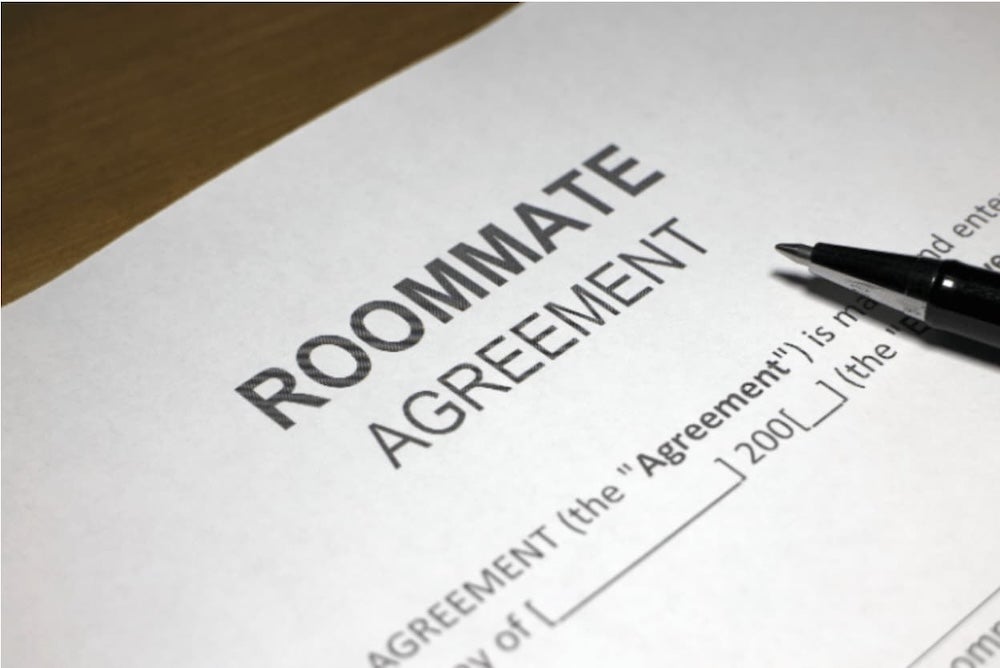
Although not part of landlord-tenant law, when you're sharing a rental unit with others, a roommate agreement can be a lifesaver. This document goes beyond the main rental agreement to address the day-to-day realities of living together. It doesn't replace the lease agreement, but we recommend drawing one up.
A good roommate agreement should cover how rent and utilities are split, who is responsible for which household chores, and how you plan to handle personal property in shared spaces.
You may also want to include guidelines for guests, quiet hours, and how to handle disputes if they come up. By putting these expectations in writing, roommates can avoid many common sources of conflict.
Communication and the Landlord-Tenant Relationship
Landlords and tenants should communicate respectfully to arrange repairs and clarify expectations.
Keep your communication style friendly and professional to discuss topics like maintenance issues and changes to the lease. This helps to avoid misunderstandings and keeps the relationship neutral at worst, and positive at best.

[Photo by NoSystem images from Getty Images Signature on Canva.]
Covenant of Quiet Enjoyment
The obligation of quiet enjoyment applies to all roommates and tenants, whether or not you're a leaseholder. This protects your freedom to live in your house free from unnecessary interference or interruptions from your landlord or other tenants. It covers the whole space you're renting.
You Are Entitled To:
- Use your space in peace: No loud noises or threats from neighbors or other roommates.
- Bedroom or allocated space privacy: You should feel secure knowing that your room and possessions are safe and private.
- Freedom from unauthorized entry: Neither your roommate nor your landlord may access your space without your consent or notice.
- Essential services maintenance: Heat, hot water, electricity, plumbing, and safe, well-maintained floors must be kept in working order.
When these rights are infringed upon, it may be a violation of your contract or a violation of the laws governing landlord-tenant relationships.
Illegal Eviction
No one, not even your landlord, can remove you from your home without following the proper legal process. That means:
- They need to obtain a court order to evict a tenant.
- Eviction notices usually require the tenant to pay rent or vacate the premises within a specified period.
- Locking someone out, changing the locks, or shutting off utilities to force them to leave is considered a “constructive eviction” and is illegal in most states.
- If a roommate tries to evict another roommate without involving the landlord and the court system, they could face legal consequences.
What To Do If You Are Evicted Illegally
Call the police if you're locked out without legal notice. Document everything and contact a local tenant rights organization for assistance.
Invasion of Privacy
Everyone has a legal right to privacy in their home, even when you share a space with other people. This means:
- Landlords must give you written notice (typically 24-48 hours) before they enter your unit, unless it's an emergency. These privacy rights extend to the entire building, including common areas, and not just your individual unit.
- Roommates can't enter your private bedroom or go through your personal property without your permission.
- Surveillance inside shared living areas or private rooms without consent could be illegal, depending on state law. Familiarize yourself with the privacy laws for your state.
Tip: If you feel your privacy has been violated, keep a log of incidents and consider changing your room's lock (if permitted).
Retaliation
Retaliation is a form of discrimination. Under landlord-tenant law, it's illegal for a landlord to retaliate against a tenant who:
- Asks for repairs or maintenance
- Reports unsafe living conditions
- Lodges any form of complaint against the landlord
- Reports code violations
- Decides to join a tenant union
- Acts on their legal housing rights
Common forms of retaliation include obstructive behaviors like increasing the rent suddenly, issuing a surprise eviction notice, or refusing to renew a lease.
Some state and local laws require a landlord to prove a non-retaliatory reason for their actions if they're challenged in court within six months of a tenant complaint.
Discrimination
Landlords may not discriminate against prospective tenants. The federal Fair Housing Act protects residential tenants from discrimination based on their:
- Race
- Color
- National origin
- Religion
- Sex (including gender identity and sexual orientation)
- Disability
- Familial status
Some exemptions apply to single-family homes rented by owners or in owner-occupied buildings with four or fewer units.
Some local laws protect tenants based on their age, source of income, immigration status, or even student status.
It's illegal for a landlord to:
- Treat roommates unequally based on a protected class listed above
- Deny accommodation for a disability (including service or emotional support animals)
Roommate-to-roommate discrimination can be harder to enforce legally, but harassment or creating a hostile living environment is not allowed and could also lead to legal action.
Common Landlord Issues Roommates Face
While most landlords keep fair and legal rental practices, some tenants, especially roommates, can run into problems. Property owners have legal responsibilities under landlord-tenant law to ensure compliance and protect tenants' rights.
Landlords must comply with all applicable laws and lease terms. The landlord's obligations include maintaining livable conditions, handling security deposits properly, and providing required notices to tenants.
Mismanaging Security Deposits
Security deposit issues are one of the most common legal disputes to come up between landlords and residential tenants. A security deposit, also known as a damage deposit, is charged to cover damage to the unit beyond normal wear and tear. Common security deposit problems include:
- Not returning the deposit within the legal timeframe (typically 14-30 days after move-out)
- Deducting funds for normal wear and tear
- Not providing an itemized list of deductions
What the Law Says
Most states ask landlords to place your deposit in a separate account and give you written notice of where it's held. It's the landlord's responsibility to handle the security deposit in accordance with the law, including placing it in a separate account and providing all required documentation. At the end of the lease, the landlord must return the deposit with a clear breakdown of any legal deductions.
Roommate Tip: If you moved in mid-lease or replaced a former roommate, make sure the landlord has officially transferred the deposit responsibilities to you. If not, it might be difficult to recover your portion of the money later.
Document Everything
Always take photos of the space when you move in and out, and keep any communication in writing. If there ever is a query about damage to the property, photographs can provide helpful evidence.
Increasing Rent
Rent increases must follow strict legal guidelines for tenants and roommates on the lease or subletting.
- Fixed-term lease: Owners and landlords can't increase rent until the lease ends, unless the lease explicitly allows for an increase.
- Month-to-month leases: Landlords must give proper written notice before increasing the rent, usually 30 to 60 days, depending on the state.
- Rent-controlled areas: In cities like New York or San Francisco, rent increases are often limited or must be approved by a local housing board. Rent regulations and protections may also vary by county, so check your county's specific rules.
If your landlord suddenly raises your rent without notice or tries to price you out of the premises, it may be considered retaliatory or illegal.
Tip: Always request that any increase be documented through a formal lease amendment or updated written rental agreement.
[Photo by Fridgeexperts from pixabay on Canva.]
Neglecting Repairs
Under landlord-tenant law, it's the landlord's legal responsibility to keep the rental unit in a habitable condition. This includes:
- Essential services such as plumbing, heat, electricity, and electrical systems must be working fully
- Garbage and refuse removal services must be available
- The property must have working locks and windows
- The living space must be safe and mold-free
If owners or landlords don't do the essential repairs, tenants may have legal grounds to:
- Withhold rent (if permitted under local laws)
- File a complaint with a housing authority
- Repair the issue yourself and deduct it from the rent (only legal in some states)
Roommate consideration: In a shared household, make sure all tenants agree on how to report maintenance issues. Keep a record of all maintenance requests, photos, and written notices sent to the landlord.
Turning Off Essential Services
One of the most extreme tactics a landlord might use is to shut off heat, water, electricity, or garbage removal to force someone to leave.
This is known as “constructive eviction,” and it is illegal. Doing this can result in fines, lawsuits, and even criminal charges.
What to do if this happens to you: Document the lock-out and contact your local housing authority for help. In many areas, landlords must restore services within 24 hours.
Locking Someone Out
Changing the locks, removing personal belongings, or refusing a tenant or roommate entry without a court order is illegal in most jurisdictions.
Even if a roommate has stopped paying rent, you cannot lock them out or evict them yourself. Disputes over money, such as unpaid rent or deposits, do not justify illegal lockouts.
Tip: If you're ever locked out, call law enforcement and document the event with photos and witness statements. Then consult with a tenant rights organization or housing lawyer.
Denying Access to Service Animals
Even in buildings marked as "no pets" permitted, residents with service animals or emotional support animals must have access to reasonable accommodations under the Fair Housing Act. Regardless of the building rules regarding animals, residential landlords must make accommodations for tenants who have service animals.
Landlords Cannot:
- Charge a pet deposit or additional fees for a domestic service animal
- Refuse someone housing because of an animal
- Ask for extensive documentation beyond a letter from a licensed professional
Roommates should also respect this accommodation. Harassing or excluding someone because of a disability or service animal could create a hostile living environment and may have legal consequences.
Local Ordinances
Many counties and cities have local policies that impact rental housing in addition to state laws. These local regulations address everything from building safety requirements and tenant safeguards to rent control and eviction procedures.
Any local laws that may be applicable to their rental property should be understood by both landlords and tenants, since they may impose additional obligations or provide additional protections.
For specific advice on where you live, visit your county or city's official website, get in touch with the housing authority in your area, or speak with a community affairs office.

[Photo by Ugur Karakoc from Getty Images Signature on Canva.]
FAQs: Answers Roommates and Renters Need to Know
This helpful section will give you answers to frequently asked questions by roommates about shared obligations, leases, and dealing with difficult circumstances.
Tenants can also get more information and assistance about landlord-tenant issues by contacting their local community affairs office.
Can My Roommate Legally Evict Me if I'm Not on the Lease?
No. Only a landlord can start a legal eviction process, and even then, it must go through a court process. A roommate can't change the locks, throw out your stuff, or force you out physically. These actions may be considered an illegal eviction.
Tip: If your name isn't on the lease, ask to have your name included and draft a written roommate agreement to clarify your role and protections.
What Happens if My Roommate Stops Paying Rent?
You're probably "jointly and severally liable" if your names are on the rental agreement. This means that even if your roommate defaults, the landlord can still demand payment in full. If the rent isn't paid, the landlord may take legal action. This may include eviction procedures and notice requirements.
The legal implications may be different if you're not on the lease. Although everyone in the home may be impacted by the stress, the leaseholder is still responsible.
Solution: Keep a record of all your rental contributions. In certain situations, you may need to take your roommate to small claims court to recover your share.
Can a Landlord Evict Me if I Was Never on the Lease?
Yes, but only if they follow the legal eviction process. In most states, if you've lived in the property for more than 30 days, paid rent, or have a clear arrangement with the landlord, you can be considered a legal occupant or tenant-at-will.
Can I Move into a Room Without Signing a Lease?
Technically, you can, but it's risky. Without a written rental agreement, your rights and responsibilities may be unclear. You could be forced to move out quickly, have no legal recourse for withheld security deposits, or receive unexpected rent increases.
A safer option: At minimum, sign a roommate agreement or ask the landlord to document your occupancy in writing.
Do I Have to Allow the Landlord to Show the Apartment if I'm Still Living There?
Yes, you do. However, you must receive proper written notice (usually 24-48 hours). Showings must take place at reasonable hours and shouldn't interfere with your right to “quiet enjoyment.”
You can request to be present or ask for certain times to be avoided, especially if you're working from home or dealing with health concerns.
What if My Roommate Damages the Apartment?
Even if the damage was committed by someone else, you'll still be responsible if you are co-tenants. This is one of the downsides of shared leases.
To protect yourself:
- When you move in, take pictures of the area.
- Report damages right away in writing, including any supporting documentation.
- If you can, make a note of who caused the damages.
If you're not on the lease, you may be able to avoid legal responsibility, but the leaseholder could still ask you to pay your share through a roommate agreement.
What Can I Do if My Roommate Violates Our Agreement or Becomes Abusive?
If your safety is in jeopardy, you might need to take legal action to defend yourself. The steps could include:
- Filing a police report
- Seeking a protective order
- Cooperating with your landlord to remove a problematic tenant
- Approaching mediation or small claims court over financial disputes
How Can I Protect Myself When Moving In with Roommates?
- Put your name on the lease or sign a documented rental agreement.
- Make a thorough roommate agreement that addresses everything from utilities to rent, quiet hours, guests, and move-out conditions.
- Before you move in, make sure the property satisfies all safety and legal requirements.
- Keep a record of everything, especially correspondence with the landlord and rent payments.
- Know your rights under state and local laws
Conclusion
Regardless of whether you're listed on the lease or renting a room, you have rights under landlord-tenant law. You have protection against illegal evictions, and clear rules around security deposits, written notice, and discriminatory treatment, to protect you in roommate situations.
Remember:
- Always get things in writing. Whether it's your lease, your roommate agreement, or a repair request, documentation protects you.
- Know your position. Are you a leaseholder, subtenant, or guest? Your rights depend on your legal standing.
- Stay informed. Laws vary by state and city. Look up your local laws or contact a tenant union if you're unsure about your situation.
- Speak up early. Small issues, like late payments or disrespect for shared spaces, can spiral into big ones.
Knowing your rights empowers you to feel more confident and secure in your home. University legal clinics or law professors can also be valuable resources if you have questions about landlord-tenant law.
Disclaimer - This information is for general informational purposes only and should not be treated as legal advice. We recommend you consult an experienced Landlord Tenant attorney if you require legal advice.