
How Much Can a Landlord Raise Rent? An Expert Guide For All Homeowners/Landlords

[Photo by Andrii Yalanskyi from Canva.]
The million-dollar question most landlords grapple with is, how much can I raise rent? This is an issue for landlords who want to remain competitive and profitable, without overstepping any legal limitations.
Unfortunately, there's no simple, one-size-fits-all answer. We've done all the research for you, and we can confidently say that the maximum allowable rent increase depends on the state and, in some cases, the local government law. For landlords looking to raise their rent, it's good to understand whether your state has statewide rent control, if it prohibits local rent control ordinances, or allows rent stabilization policies on a local basis.
In this post, we'll cover just how much landlords can increase rent based on location and law. We'll provide a comprehensive overview of statewide and local legislation, exemptions, and the best practices for a lawful rent increase strategy. Keep in mind that these laws are fluid and can vary significantly from place to place and the type of rental property.
- Statewide Rent Control Laws & Exemptions: The Limits on Annual Rent Increases
- The Majority: States with No Statewide Limit or Rent Control Preemption
- Lease Agreements, Notice, and Timing: When Can Landlords Raise Rent?
- Understanding Rent Control Exemptions
- Tenant Rights and Protection: When a Rent Increase is Illegal
- When to Hike: Key Factors Influencing Why Landlords Raise Rent
- Landlord Best Practices: Pricing, Communication, and Compliance
- FAQs
- Conclusion
Statewide Rent Control Laws: The Limits on Annual Rent Increases
It's important that landlords understand statewide rent laws. Many states have enacted rent control laws, but each provision is different in terms of how much rent landlords can legally raise and how frequently.
Let's look at the different states and the most important exemptions that landlords must understand.
1. States with an Active Statewide Rent Cap
As of October 2025, only three states have active caps that limit how much and how often landlords can increase rent. These states are:
Oregon (The 1st State to Enact a Statewide Law in 2019):
- Rent Raise Formula: Rent control regulations limit hikes to a ceiling of 10%, or 7% of the current rent plus the percentage increase in the area's Consumer Price Index (CPI), whichever is less. In 2025, for instance, landlords are using the 10% cap, since the 7% plus CPI amount has been exceeding the 10% ratio of the current rent due to inflation. Therefore, as per the law, landlords go for whichever is lower, in this case, the 10% max cap.
- Exemptions: Any new construction, less than 15 years old, is exempt from rent control.
- Notice Requirements: Oregon State law requires a 90-day written notice from landlords for an increase of up to 10%, and 180 days for a raise above 10% of the current rent amount.
California (Tenant Protection Act of 2019 - AB 1482):
- Rent Raise Formula: Rent control regulations limit increases to 5% of the current rent plus CPI. This also caps at 10% of the current rent, whichever is lower. It means if 5% + CPI is greater than 10%, the increase is capped at 10% since that will be lower.
- Exceptions: In California, properties built within the last 15 years or so are generally exempt from state or local rent control regulations. Also, a number of cities, including Los Angeles and San Francisco, have more stringent rent control ordinances than the state legislation, so consult with local laws prior to raising rent.
- 2030 Sunset Date (Expiry): The protections under AB 1482 are set to expire in 2030 unless extended or replaced by new legislation.
- Notice Requirements: Landlords must provide 30 days' notice for rent increases of 10% or less, and 90 days' notice for rent increases above 10%.
Washington (Enacted in 2025):
- Rent Raise Formula: Washington has a newer rent control law capping increases at 7% plus inflation (CPI), or 10%, whichever is lower. Note that Washington local regulations place a strict cap on manufactured homes (prefab houses, including mobile or factory-made homes).
- Exemptions: New construction and certain single-family homes are not subject to rent control. Also, the cap doesn't apply during the first 12 months of tenancy.
- Notice Requirements: Landlords must serve a 60-day written notice before raising the rent. The new HB 1217 law extends the period to 90 days for most residential tenancies.
Key Compliance Tips: Calculating the Rent Increase
When calculating raises, ensure you're applying the correct formula, based on local laws. For example, if your state uses CPI-based rent increases, you'll need to check the latest CPI figure for your area. You can find this figure on government websites.
Make sure to review the local rental market conditions and use current CPI rates for the area. Failure to follow the maximum rent increase limits exposes you to penalties and legal disputes.
Here's a quick comparison of rent increase formulas for the three different states with an active rent cap in 2025:
| State | Formula | Maximum Increase | Notice Requirement |
|---|---|---|---|
| Oregon | 7% + CPI, capped at 10% | 10% | 90 days |
| California | 5% + CPI, capped at 10% | 10% | 30-90 days |
| Washington | 7% + Inflation, with a 10% statewide cap | 10% | 60-90 days |
2. States With Strong Local Rent Control Policies (State Authorized)
There are states in which rent laws are enforced at the local level. While there are no strict regulations on rent ceilings under the state law itself, local governments can pass their own ordinances.
New York:
- Local Rent Stabilization: New York City and surrounding areas have some of the strictest rent control laws in the country. The local Rent Guidelines Board (RGB) regulates these laws. Note that they apply to many rental apartments built before 1974.
- Rent Guidelines Board: The local RGB has already set the cap for rent-stabilized buildings, starting October 1, 2025, to September 30, 2026. The specific ceilings are:
- 1-Year Leases: A 3% increase.
- 2-Year Leases: A 4.5% increase.
- These rates take into consideration the landlords' and tenants' economic needs, and they apply to all rent-stabilized lease renewals for the stated period.
- Notice Requirements: Rent-controlled properties also tend to have longer notice requirements than the state mandate. Landlords must comply with these laws closely:
- 1-Year Leases: 30-day notice
- 2-Year Leases: 60-day notice
- 2 Years and Above: 90-day notice
New Jersey, Maryland, Minnesota, & Maine:
- Local Ordinances: All states allow cities to pass their own rent control laws. For example, Newark (New Jersey: 4% to 5%) and Montgomery County (Maryland: 3% to 6%) each have their own rent control ordinances that limit the extent to which landlords can apply raises in those areas. Note that the ordinances typically apply to buildings built before a certain year, and the municipal government may adjust the limits on an annual basis.
Important Note: Laws vary considerably depending on the municipality. It's important to check local ordinances before raising rent in municipalities in these states: New Jersey, Maryland, Minnesota, and Maine.
If you're considering renting out a property, it can be helpful to see real-life examples of what's available in different cities and the average rent price. We cover many cities (yours, too). Browse our live listings to see what's on the market and how prices and trends shift. You can look at rooms for rent in NYC, Miami, Los Angeles, or any other city you'd like.
In case you're ready to list your own rental or space, check out our guide on how to post rooms available to get started quickly and efficiently.
The Majority: States with No Statewide Limit or Rent Control Preemption
For most landlords in the United States, the answer to "How much can I raise rent by?" is somewhat easier. In states without rent control laws, landlords can hike rent based on what market trends allow. However, that doesn't mean that there are no laws to follow.
The Default Rule: Rent is Generally Market-Driven
Only a handful of states (like New York, Washington, Oregon, New Jersey, California, Maryland, Minnesota, and Maine) have statewide or local rent stabilization laws. There are no rent control laws in the majority of states, like Texas, Florida, Arizona, and more (40-plus).
In fact, as of 2025, 33 states preempt or prohibit local governments from enacting rent control legislation. This means landlords can only set rents based on current market conditions and demand.
- Key Drivers: Increases in these states are typically tied to factors such as inflation, property improvements, and local rental market conditions.
- No Rent Ceiling: Without a lease that imposes a limit on rent hikes, landlords can legally raise prices as high as the market will allow.
- Tenant Retention: Landlords must be sensitive to market conditions. If they increase the rent too much, other tenants may abandon ship. And we all know that finding the right tenants is hardly a breeze. Luckily, with SpareRoom, you can find tenants with a few clicks.
What Controls Rent Increases?
Even in states without rent control laws, landlords are still subject to some regulations when raising rent:
- Lease Agreement: Landlords cannot raise rent during a fixed lease term (e.g., a one-year lease). Rent is typically raised at lease-end or in month-to-month rentals. The lease period is important.
- Notice Requirements: Landlords must provide proper written notice to tenants before they can raise the rent. Usually, 30 days' notice is required for rent increases below 10%, and 60 to 90 days' notice for larger raises, depending on the state.
Practical Limits on Rent Increases
Although there may be no official rent ceiling in the majority of states, there are practical ceilings based on:
- Market Trends: Tenants will look for other housing options if you increase rent too much, especially in competitive rental markets. Landlords should base their rent increase on local rental rates.
- Tenant Retention: Excessive rent increases can lead to a high turnover, which will cost landlords money in vacancy and time spent finding new tenants.
Important to Note: While it's crucial to understand your rights, it's equally important to know what you cannot do as a landlord. This will help you to avoid unnecessary litigation and tenant disagreements.
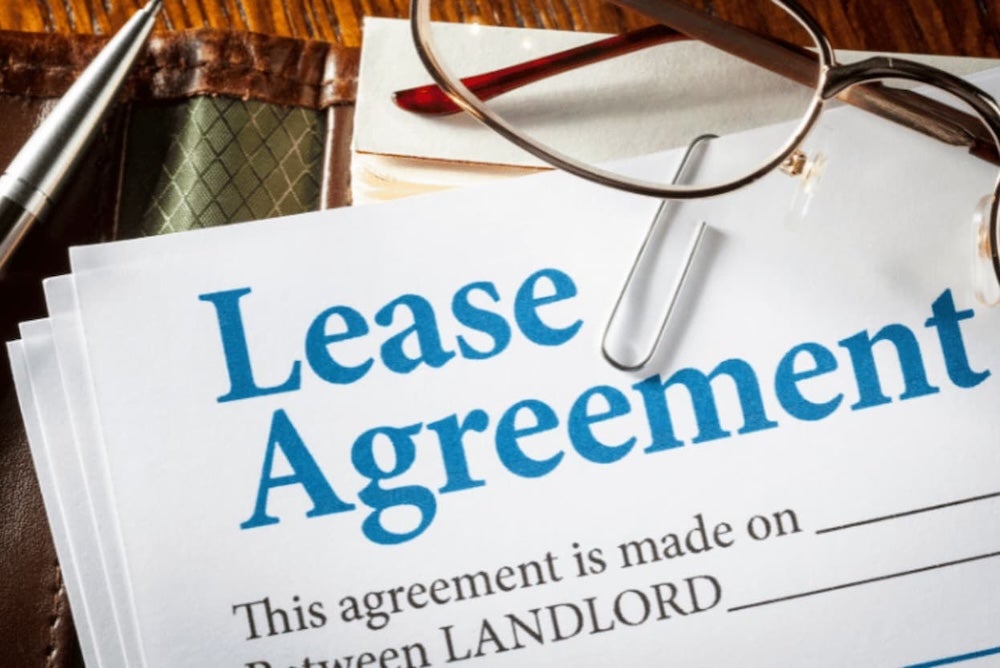
[Photo by Bill Oxford from Canva.]
Lease Agreements, Notice, and Timing: When Can Landlords Raise Rent?
Raising rent is a major business move, but it must be done within the confines of landlord-tenant laws and your rental agreement. An understanding of the types of leases and when to raise rent is critical to avoiding the legal pitfalls.
The Various Lease Types
The terms of your lease agreement will determine the timing and process of raising your rent. Landlords must adhere to the terms in the lease agreement and ensure that any raise is within the agreed-upon terms.
A Fixed-Term Lease:
- How It Works: A fixed-term lease is typically for a specific period, i.e., 12 months. You cannot raise rent during that period unless the lease expressly allows for hikes or includes a rent escalation clause.
- Raising Rent: If you want to raise rent under a fixed-term lease, you'll need to wait until the lease expires. At the end of the lease, you can offer a new lease with the increased rent. If the new terms are not acceptable to the tenant, they may leave the property.
- Expert Advice: If you're going to increase rent when the lease expires, ensure your new agreement includes clear language about the rent hike. Provide adequate rent increase notice to the tenant prior to the expiration of the lease to avoid misunderstandings.
Month-to-Month Tenancy:
- How It Works: A month-to-month lease is a less burdensome rental agreement where both the tenant and landlord can terminate the contract or change it upon proper notice, typically each month.
- Raising Rent: For month-to-month tenants, landlords can raise rent by providing a written notice, though this may vary by state. Usually, the notice period is 30 days for rent increases less than 10%, and 60 or 90 days if the hike is more than 10%. In some states, like California, the notice period is even longer for a big increase.
- Expert Advice: Month-to-month tenancies offer more flexibility to landlords but also require timely and proper written notice in order to make the increase legally effective. Ensure your tenant receives the notice within the time frame and by the proper method (e.g., mail or hand delivery).
Providing Written Notice
A written notice is a legal requirement for raising rent. Verbal notices won't cut it, and landlords who fail to provide written notice according to the state's requirements risk invalidating the rent increase.
Essential Points for a Written Notice:
- Specify the New Rent: Include the new rent and the date when the increase will take effect.
- State the Reason for the Increase (Optional): While local laws might not require this, an explanation (e.g., increased expenses, significant renovations, or improved property management) can generate goodwill and help tenants to understand the justification for the increase.
- Follow State-Specific Requirements: Each state has its own laws as to how landlords should serve the notice. In most states, landlords must deliver the notice personally to the tenant or by certified mail. This will ensure it's not an improper notice as per the law.
- Proof of Delivery: Keep a record of how you serve the rent increase notice. The record can become important in the event of a dispute.
Important to Note: It's absolutely crucial to communicate with your tenant clearly. Here are some questions for tenants or roommates that will help you familiarize yourself with your renter and know how best to communicate and understand each other.
Understanding Rent Control Exemptions
In most cases, certain properties are exempt from rent control laws. These exemptions allow landlords to raise rent without any restriction. Some of the common exemptions include:
- New Construction Properties: Properties built within the last 15 years or so are generally exempt from state or local rent control regulations. For example, California and Oregon.
- Single-Family Homes: When a landlord owns a single-family house and is not a corporate landlord, they're exempt from rent control legislation.
- Properties Owned by Small Landlords: Certain locations provide exemptions to landlords owning less than a specific number of units, which generally ranges between 5 to 10 properties.
Important Note: As a landlord, it's worth checking if your rental property qualifies for an exemption, as this will give you more freedom in the degree to which you raise rent. Bear in mind, however, that even exempted properties are bound by local notice periods.
Tenant Rights and Protection: When a Rent Increase is Illegal
Landlords have the right to raise rent, but there are important restrictions and tenant protections to respect. Some raises are considered illegal when they violate tenant rights or when they're based on discriminatory or retaliatory reasons.
Retaliation or Discrimination by Landlords
Keep in mind that you shouldn't use rent hikes for retaliation or discrimination. Landlords cannot raise rent in retaliation against tenants who assert their rights. For example, you cannot hike rent because a tenant has made a complaint about living conditions or reported a violation by the property managers. Similarly, you cannot base the hike on discriminatory grounds, such as a tenant's race, gender, or family status.
- Examples of Retaliation: Raising rent immediately after a tenant complains to a local government regarding maintenance issues, or after a renter joins a tenant advocacy group.
Habitability and Substandard Property Conditions
If your rental is not up to standard or lacks basic services, like heat, water, or safe conditions, you're not allowed to increase rent. Tenants have the right to withhold rent or sue if the property isn't complying with the local standards of habitability.
What's worse, in the case of a rent raise, the tenant can use your breach of the implied warranty of habitability as a defense in court. If the court deems your raise illegal, it can order a rent abatement (reduction) to your property's actual market value.
Key Points:
- Habitability Laws: Ensure that your property meets basic habitability standards (such as functional plumbing, heating, and safety features) before considering rent adjustments.
- Legal Recourse for Tenants: Tenants in substandard property conditions may seek rent reductions or file complaints with local housing authorities.
The Role of Lease Language
It's wise to review the terms of your lease contract before you raise rent. If your lease contains terms that limit increases or specify certain procedures, you must follow those terms.
Furthermore, any rent adjustments must also align with applicable state or local rent control laws, which may impose additional requirements or restrictions on the process.
Lease Clauses to Be Aware Of:
- Rent Increase Clauses: Some leases have clauses that limit how much landlords can raise the rent and when. Always review these clauses carefully before raising rent.
- Annual Increases: If your lease dictates that you can only raise rent annually, ensure any rent hike is in accordance with that timetable.
Seeking Help: When to Consult with a Landlord-Tenant Attorney
Landlord-tenant laws can be complex, and in some cases, local or state rent control ordinances may conflict with general legal guidance. If you're uncertain about whether your rent increase is compliant, or if you're facing legal challenges from a tenant, it may be wise to consult with a landlord-tenant attorney.
An attorney can provide specific advice on:
- State-Specific Laws: Understanding the nuances of state and local rent control laws.
- Dispute Resolution: Facilitating the resolution of landlord-tenant conflicts, e.g., responding to complaints of unlawful rent hikes.
When to Hike: Key Factors Influencing Why Landlords Raise Rent
While legal parameters and state legislation dictate the maximum percentage of rent increase, landlords must also consider other variables that influence the need to raise the rent. These variables can provide context for making a rent hike decision that's both profitable and reasonable.
Rising Expenses
One of the most common reasons landlords raise the rent is to offset rising costs, such as:
- Inflation and the Consumer Price Index (CPI): As inflation rises, so does the cost of maintaining and operating a property. A rent raise may ensure profitability.
- Property Taxes and Insurance: Increases in property taxes or insurance rates can force landlords to raise rent due to financial strain.
- Property Taxes: As property taxes increase, landlords can raise rent to pay for the additional expense. Where taxes represent a significant portion of the rent in certain states, this is generally one of the most significant factors of rent increases.
- Utility Costs: As utility expenses (electricity, gas, water) increase, landlords may need to increase rent so as not to absorb the higher expenses themselves.
- Inflation: General inflation (as indicated by the Consumer Price Index or CPI) can increase the cost of materials and labor needed for repairs and maintenance. This generally leads to rental increases to keep up with rising costs.
Market Factors
Rents also increase based on the local market. Landlords can increase their rent prices if demand is high and comparable properties are renting for more, in order to remain competitive.
- High Demand and Low Supply: Landlords in cities with inadequate housing may have more flexibility to raise rent. High demand and low supply of rental units push rental prices upwards and make it less difficult for landlords to increase rent without frightening off tenants.
- Comparable Rental Rates: In deciding the level of rent adjustment, landlords must consider comparable rental rates in the immediate area. Charging significantly more than comparable properties in the area could result in vacancies or tenant turnover.
- Seasonal Demand: The rental market in certain locations is seasonal. University towns, for example, may see rent increase when the academic year starts, and resort areas may see higher rent during high seasons. Understanding the patterns of the local rental prices can allow landlords to plan their rent increases at times of greatest effect.
Property Improvements
Substantial property improvement or significant renovations can justify a rent increase, even in rent-controlled neighborhoods. If you have made renovations or improvements that bring value to the property, this is a justifiable reason to raise rent, even under some rent stabilization laws.
Some examples of property improvements include:
- New Appliances: Installing new appliances in the rental property might result in higher utility bills and maintenance costs. This may warrant a rent hike.
- Major Renovations: Upgrades such as renovating the interior of the building, adding energy-efficient appliances, or remodeling common spaces (such as lobbies or outdoor spaces) can increase the value of the property. Landlords can raise rent to cover these improvements.

[Photo by Thicha Satapitanon from Canva.]
Landlord Best Practices: Pricing, Communication, and Compliance
Open and polite communication is the most crucial aspect of imposing a rent increase. Even where you have a legal right to raise rent, providing tenants with a clear reason goes a long way in guaranteeing a peaceful landlord-tenant relationship. Some tips are:
- Reason for Rent Increase: It's a good idea to explain why you're raising the rent. This can prevent misunderstandings and make tenants feel informed.
- Provide Ample Notice: Always meet the minimum notice period for rental raises. This will be 30, 60, or 90 days, depending on your state. Be sure to give a notice well ahead of time for the increase.
- Be Open to Negotiation: While you can impose the rent increase, it's ideal to provide tenants with a platform to ask questions and negotiate their concerns. This is a sign of respect for their tenancy and can guarantee a long-term landlord-tenant relationship.
FAQs
What Is the Most a Landlord Can Raise Rent?
The most a landlord can raise rent depends on state and local rent laws. Some places cap rent increases at a specific percentage, while others have no restrictions beyond reasonable notice.
Can a Landlord Raise Rent by More Than 10% in California?
In general, no. California's Tenant Protection Act (AB 1482) caps rent increases at 10% of the current rent, with exceptions and tighter local regulations.
Is There a Limit on Rent Increase in Georgia?
No, there's no statewide rent control in Georgia. Landlords raise the rent according to the lease terms and market trends.
What Is the Maximum Rent Increase Allowed?
In rent-controlled states, the maximum allowable rent increase is restricted by specific formulas. For example, in California, the rent increase is limited to 5% of the current rent plus CPI, capped at 10% in any 12-month period. In non-rent-control states, this increase is usually regulated by lease terms and reasonable notice requirements.
Can Tenants Refuse a Rent Increase?
Yes, tenants can refuse a rent increase, but the landlord can respond by choosing not to renew their lease or providing proper notice to vacate when the lease period expires.
Conclusion
Understanding how to increase rent is part of being an effective landlord. While statewide rent control laws and city rent control ordinances dictate the highest allowable increases, market conditions, rising costs, and property improvements also influence the process.
Always stay informed about tenant protection laws, consult legal experts when needed, and follow the best practices to ensure a smooth rent increase process.
Disclaimer - This information is for general informational purposes only and should not be treated as legal advice. We recommend you consult an experienced Landlord Tenant attorney if you require legal advice.