
What a Landlord Cannot Do: 11 Mistakes for Property Owners to Avoid
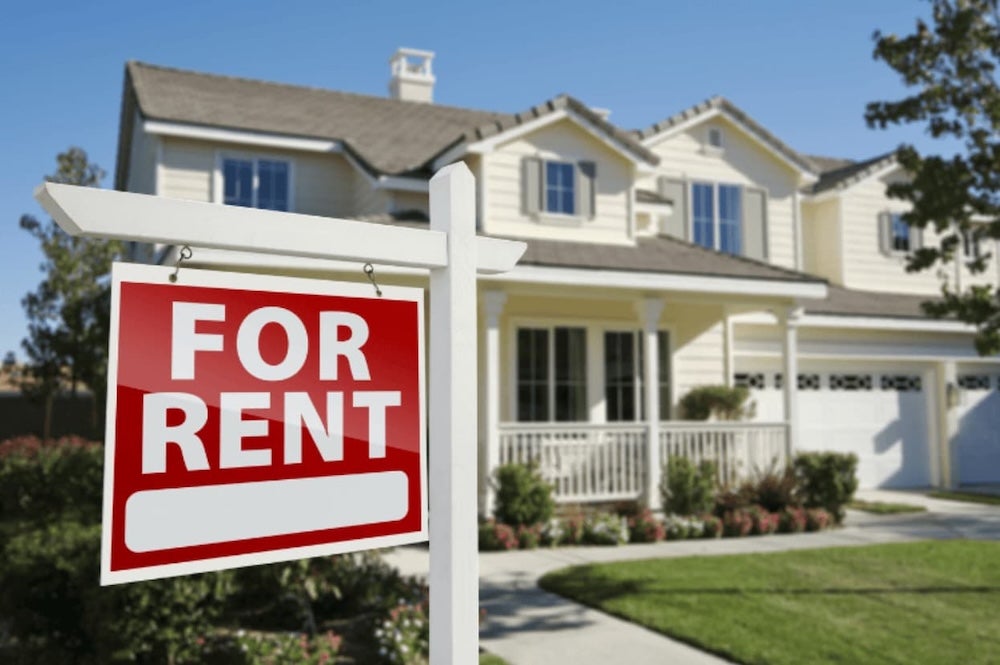
[Photo by Andy Dean Photography on Canva.]
Being a landlord comes with privilege and serious responsibilities. Renting out a property can bring you a steady income, but you must act within the framework of landlord-tenant laws to be fair and reasonable. These laws balance rights in a landlord-tenant relationship. You need to know what a landlord cannot do to protect the tenants in your property, regardless of whether you own multiple units or are a homeowner renting out spare rooms to roommates.
Landlords' rights and obligations are regulated by federal, state, and local laws, which may also bring additional responsibilities. Not following the law means you may end up with lawsuits, penalties, and fines, and even criminal prosecution. Even if it doesn't get to that point, non-compliance can cause conflict and damage the trust and relationship between you and your tenant or roommate.
In this guide, we'll go into detail about the major restrictions that landlords face. It's written with general U.S.-applicability in mind, but remember: rules vary by state and city.
[Photo by designer491 from Getty Images]
1. Illegal Eviction
Illegal eviction is one of the most serious violations a landlord can commit. Locking non-paying tenants out of the home or removing their belongings are both examples of illegal actions. You must follow the appropriate legal channels and the court-mandated eviction process to evict a tenant legally.
While states may have slightly different housing laws, across the U.S., a formal eviction needs:
- A legal reason (such as a written lease violation and proof thereof)
- Formal written notice sent in advance
- A legislated court process that includes filing an eviction complaint
If a tenant fails to pay rent, you, as a landlord, can file an eviction order complaint, but you cannot take matters into your own hands.
Here are some examples of what not to do, even if a tenant hasn't paid rent:
- Don't change the locks at the property
- Don't remove the tenant or roommate's personal property
- Don't harass or intimidate the tenant into leaving
Trying to evict a tenant without following the eviction process is illegal.
Tenants can take legal action if you try to evict them illegally. Remember: courts take illegal eviction seriously, so whether you're renting to a single tenant or a group of roommates in New York City, you must follow the formal process.
There have been cases where courts have ordered landlords to pay damages that amount to multiple times the security deposit over illegal eviction procedures.

[Photo by Jakub Zerdzicki from Pexels on Canva.]
2. Invasion of Privacy and Quiet Enjoyment
Tenants are legally entitled to both privacy and the "covenant of quiet enjoyment", a protection in U.S. housing law. This doesn't just mean keeping noise levels down; it guarantees that tenants can use their space without unnecessary disruptions or harassment.
These rights apply to landlords renting out a full property or just a room in a shared home. The covenant includes respecting your tenant's privacy, giving proper notice before entering, and avoiding behaviors that could be seen as intrusive or harassing.
Here's what landlords must avoid to stay compliant:
- Entering without proper notice: You can't enter a tenant's room or unit without prior permission or required legal notice (unless there's an emergency).
- Frequent or unannounced visits: Constant drop-ins or excessive phone calls can be considered harassment.
- Invasive practices: Setting up surveillance cameras in the unit or entering to show the property without adequate notice is a violation of privacy.
- Noisy or disruptive maintenance: Scheduling construction or repairs at unreasonable hours goes against the right to quiet enjoyment.
Violating these boundaries doesn't just damage the landlord-tenant relationship; it could give tenants legal grounds to break their lease or even sue for damages. Respecting both privacy and quiet enjoyment is a legal obligation.
These protections are especially important in shared living situations, whether you're renting to roommates in Atlanta or managing a larger apartment building.
3. Retaliation
Landlords may not, by law, retaliate against tenants who exercise their legal rights. Common examples of landlord retaliation include:
- Increasing the monthly rent after a tenant files a complaint with the local housing authority
- Threatening to evict tenants after they request repairs or maintenance
- Limiting services (such as utilities or parking privileges) if tenants join a renters' association
Tenants should report unlivable conditions and code violations. Retaliation laws protect them when they do. If a tenant files a complaint and successfully proves the matter in court, you could be financially liable.
4. Discrimination
The Fair Housing Act protects prospective tenants against discrimination based on these categories:
- Race
- Color
- Religion
- Sex
- National origin
- Disability
- Familial status
Housing laws make discrimination illegal by recognizing tenant rights. Some cities and states offer extended protections that include sexual orientation, gender identity, and source of income. After a lease ends, state laws still apply, and housing discrimination is a violation of tenants' rights and responsibilities.
Examples of discriminatory practices that are not allowed include:
- Refusing to rent property to someone from a protected category
- Increasing the monthly rental based on the tenant's background or nationality
- Stating explicitly in your advert that you do not want certain types of people to apply to rent
Landlords can face severe penalties if they violate the Fair Housing Act. In addition to the legal risks, the landlord's reputation and occupancy rates are at stake.

[Photo by AndreyPopov from Getty Images on Canva.]
5. Managing Security Deposits
Security deposits can sometimes lead to misunderstandings between landlords and tenants, especially during move-out. Clear landlord-tenant laws help protect both sides, ensuring tenants are treated fairly while also helping landlords avoid disputes and maintain good relationships. After all, a well-handled security deposit benefits everyone involved.
Some examples of what a landlord cannot do with a security deposit include:
- Not provide an itemized list of deductions at the end of a lease. This is non-negotiable. The tenant has the right to know what the deductions were made for
- Deduct costs for routine use (normal wear and tear), nor can the landlord take a tenant's property without a court order as compensation for normal wear and tear
- Use the security deposit money, or any portion of it, for unrelated or other costs
In many states, there is a time limit that dictates when landlords should return the security deposit money; it's usually 14 to 30 days after a tenant moves out. To stay compliant, landlords should ensure that lease terms reflect the local state laws for handling security deposits.
Not complying with these rules can mean the landlord is forced to repay the deposit with penalties.

[Photo by charliepix from charliepix on Canva.]
6. Increasing Rent
Landlords generally, but not arbitrarily, have the right to increase rent. Rental increases and any changes to rent payment must be outlined in the lease agreement. A landlord may not:
- Increase the rent during a fixed rental agreement (unless there is a clause for it in the rental agreement)
- Increase the rent as an act of retaliation
- Discriminate when increasing rent
Rental payments and obligations for future rent are determined by local laws and the terms of the lease agreement. In certain jurisdictions with rent control laws, there are limits on how much and how often landlords can increase rent. To stay compliant, always consult the local landlord-tenant laws before increasing rent.
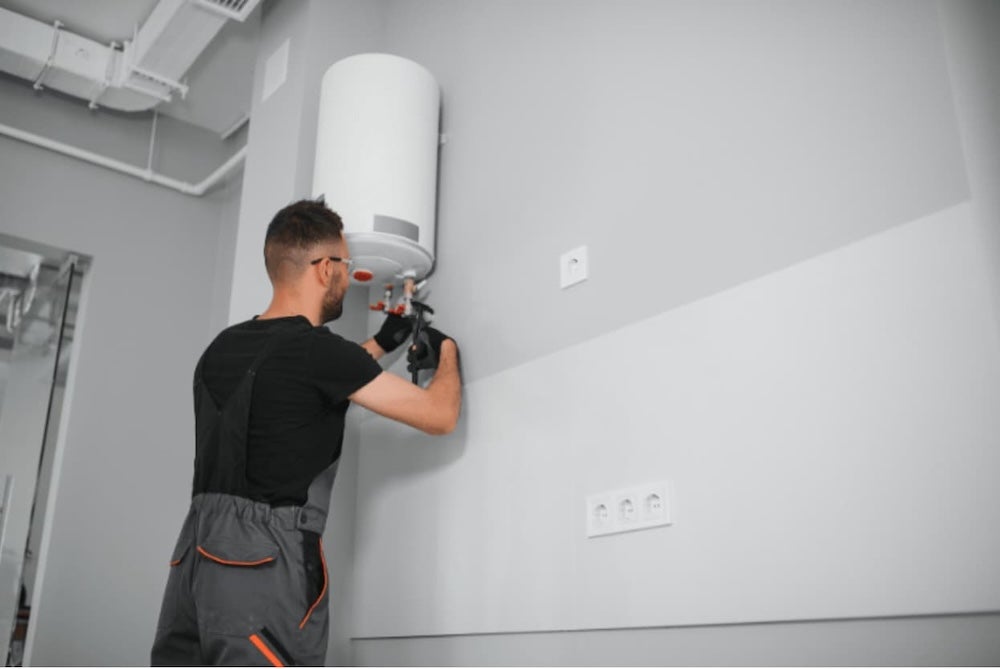
[Photo by sedrik2007 from Vecteezy Images on Canva.]
7. Neglecting Repairs
According to housing codes, landlords must maintain their properties to keep them safe and livable. A landlord is expected to arrange maintenance repairs efficiently when a roommate or tenant has made a request.
A landlord may not ignore issues that can make the property unsafe or uninhabitable, such as:
- Plumbing repairs
- Heating and cooling failures
- Pest problems
- Broken locks or windows
Tenants have the right to a habitable and safe home. Tenants whose properties have maintenance issues may withhold rent to pay for the repairs and then deduct the cost. They may also terminate their lease.
8. Turning Off Essential Services
Some landlords wrongly think they can pressure tenants by shutting off things like water or electricity. This is illegal, irrespective of what the tenant may have done wrong.
Examples of services that a landlord cannot interfere with or shut down include:
- Water, electricity, or heat.
- Disable internet or phone service in areas where it is included in the lease.
- Deny access to refuse collection or other basic utilities.
This kind of conduct is considered harassment.
9. Locking Someone Out
Lockouts are considered a type of illegal eviction. Only an officer appointed by the court or the sheriff may physically remove a tenant. A landlord or property owner who attempts this can face penalties and lawsuits.
Some examples of illegal eviction by lockout include:
- Changing the locks without a court order.
- Blocking access to the unit.
- Removing keys or security fobs.

[Photo by FatCamera from Getty Images Signature on Canva.]
10. Denying Access to Service Animals
Federal Law, like the Fair Housing Act and Americans with Disabilities Act (ADA), dictates that tenants have the right to keep service animals and emotional support animals. Based on these protections, a landlord cannot:
- Bill an additional charge for pet rent, or request a higher security deposit if the tenant has a service animal
- Refuse housing to a tenant who has a legitimate service animal
- Demand unnecessary medical documentation
Service animals are legally protected; they're not pets. Therefore, landlords need to provide reasonable accommodation for roommates and tenants who own service animals. A landlord who denies access to a service animal would be guilty of discrimination. Landlords may request renters' insurance for tenants to protect their personal belongings, or under general lease requirements, but they can't request insurance specifically for service animals.
11. What a Landlord Cannot Do When a Lease Expires
Tenant protections ensure that a landlord cannot force a tenant out or illegally evict them from a rental unit. Threatening to evict someone can also count as harassment. Even after the lease has expired, housing providers cannot discriminate against tenants and must still operate under the Fair Housing Act. Landlords cannot enter the property without advance notice or unless the tenant agrees.
What a Landlord Can Do When a Lease Expires
There are actions that landlords can legally take after a rental agreement expires. Some of these include:
- Rent increases: Landlord's rights include the right to rent increases, with the appropriate formal notice.
- Provide a new lease agreement: The landlord can present a new lease that has new terms and conditions, including rent increases.
- Request the tenant to leave: If tenants refuse to agree to and sign a new lease, the landlord can ask them to move out, as long as they provide advance notice.
FAQs
Can a Lease Agreement Change What a Landlord Can and Cannot Do?
No. A lease agreement cannot override landlord-tenant laws. For example, even if a lease says the landlord can keep the security deposit for normal wear, the clause would not be enforceable.
Can a Property Owner or Landlord Enter a Property Without Permission?
No, a landlord cannot enter a property without permission unless it's an emergency. Landlords must provide notice before entering. The length of notice depends on state law, but 24 hours is common practice.
Can Tenants Refuse to Allow Viewings?
Tenants can't refuse showings entirely, but landlords must schedule viewings at reasonable times and give a tenant notice. A landlord cannot show the property at inconvenient hours.

[Photo by sturti from Getty Images Signature on Canva.]
How Often Can Landlords Inspect a Property?
Landlords are expected to be reasonable about inspections. They can't perform daily or weekly inspections unless there's an emergency. Check your state laws; most allow inspections if the landlord gives proper notice.
Can a Landlord Increase Rent During the Lease Term?
No, a landlord cannot increase the rent during the lease term unless the lease has a clause that allows it. Rent increases usually occur at the end of a lease when it's up for renewal, and as a landlord, you must give proper notice.
What Happens if a Landlord Violates a Tenant's Rights?
If a landlord violates tenant rights, the tenant may file a complaint with local housing authorities, take legal action, or break the lease without penalty in some cases.
Is the Landlord Responsible for Repairs and Maintenance?
Yes. Landlords are legally responsible for maintaining the property in a habitable condition. This means repairing plumbing issues, making sure heating and cooling systems work properly, and fixing health or safety hazards.
Are Landlords Allowed to Charge Non-Refundable Deposits?
Laws are different across states, but in many areas, landlords can't charge non-refundable deposits unless the law allows it. Most states require that any deposit money be refundable, especially for security deposits.
Can a Landlord End a Lease Early if the Tenant Violates the Lease?
Yes, but it's not something they can do on the spot. If a tenant breaks the lease (like by skipping rent, damaging the property, or doing something illegal), the landlord can start the eviction process.
That said, they can't just change the locks or kick someone out. The landlord has to give proper notice first (usually a “pay or quit” notice), and if the problem isn't fixed, they need to go through the court. Only a judge can approve a legal eviction.
Can a Landlord Evict a Tenant Without Cause?
You can't evict a tenant from a rental property without cause if you have a fixed-term lease. However, after the lease ends or in a month-to-month agreement, you may end the tenancy with proper notice, depending on local laws. Some areas also require you to give “just cause” for an eviction.
What Notice Is Required for Ending a Month-to-Month Lease?
In a month-to-month agreement, either the landlord or tenant can end the lease without cause by providing written notice. The amount of notice required varies by state, but 30 days is common. Some states may require 60 days or longer, especially if the tenant has lived in the unit for a year or more. Landlords cannot end the lease for retaliatory or discriminatory reasons.
Even in a no-cause termination, it's important not to do anything that could come across as retaliatory or discriminatory. If a tenant recently filed a complaint, requested repairs, or belongs to a protected class, giving notice to end the lease could be challenged in court. To reduce risk, you should file all communication and make sure that the timing and reasoning behind any lease termination are clearly supported and lawful.
Conclusion
A landlord must comply with tenant protections and rights. Local and state laws are clear on what a landlord cannot do, including respecting tenants' rights to privacy, complying with eviction laws, and managing security deposits correctly.
Even if the landlord is a property owner, they cannot enter rental properties without sufficient notice or remove a tenant's belongings to force them to leave. A landlord must operate within the proper legal channels and court system to evict a tenant. Landlords must not discriminate against protected categories; they have to provide fair and reasonable accommodation to all protected classes.
Landlords have both rights and responsibilities toward their tenants. Being compliant can create a healthy landlord and tenant relationship that is mutually beneficial.
Disclaimer - This information is for general informational purposes only and should not be treated as legal advice. We recommend you consult an experienced Landlord Tenant attorney if you require legal advice.