
How to Be a Good Roommate: 10 Rules for Making Shared Living Work

[Image by SrdjanPav on Canva.]
Being a good roommate sounds simple until you're sharing a kitchen, bathroom, and utilities with someone else. Suddenly, “I'll wash it later” turns into a week-old pile of dishes, or late-night TV keeps you awake before work. The truth? Everyone struggles with these issues at some point. That's why we're sharing this guide on how to be a good roommate. We'll also talk about what to do when following the rules feels impossible or when they just don't work.
How to Be a Good Roommate: The 5 Cardinal Rules

[Image by AntonioGuillem on Canva.]
Rule 1: Communicate Early
This is the most important rule of any roommate relationship: learn to communicate. Sure, conflicts will arise, but so much of that is down to different expectations as a result of not talking about things up front. When there's an issue, the majority of people tend to leave it rather than sort it out immediately. This is a mistake - things will fester, which is something you don't want.
How to Go About It:
Talk about your expectations early on. The best time to set expectations is before you move in. The second-best time is the first day you're living together. This conversation should include things like how often you plan to clean the apartment, as well as feelings about guests and noise levels.
Even if that conversation is had, issues are still bound to come up; that's just the nature of living with another person. If your roommate does something that irritates or frustrates you, bring it up immediately, whether that's dishes piling up in the sink or if they're blasting their TV from their room. This isn't a one-way street, either - encourage them to do the same.
This attitude will nip small issues in the bud before they become big issues.
Rule 2: Keep Shared Spaces Clean
Typically, all roommates should be able to use shared spaces such as the living room and bathroom. Everyone has different definitions of what qualifies as “clean,” which can make things trickier. Here's how to handle it:
How to Keep Shared Spaces Clean
Talk about what “clean” means to each of you. For one person, it may be rinsing dirty dishes and leaving them in the sink. For another, it means washing them, putting them away, and wiping the counters. Compare your standards and agree on what counts as acceptable in shared spaces. You could even draft a simple agreement to keep everyone in check. Here's a template you can customize:
Shared Spaces Cleanliness Agreement Template
- Kitchen
- Dishes: [e.g., Washed immediately / Left rinsed in sink for max 12 hrs]
- Counters: [e.g., Wipe after every use]
- Bins: [e.g., Take out when ¾ full]
- Bathroom
- Surfaces: [e.g., Wipe sink daily, scrub toilet weekly]
- Towels: [e.g., Personal towels only, hang up after use]
- Trash: [e.g., Empty weekly or when full]
- Living Room
- Belongings: [e.g., Remove personal items daily]
- Floors: [e.g., Vacuum weekly / Sweep as needed]
- Shared Items: [e.g., Return remote, books, or games after use]
- Hallways/Entry
- Shoes: [e.g., Keep in rack / Allowed by door]
- Coats/Bags: [e.g., Hang on hooks / Keep in room]
Signed: ___________________
Date: ___________________
Create a Chore System:
Don't rely on goodwill and vague promises to get the work done. Use a whiteboard or an app like OurHome or Splitwise to give roommates chores (including yourself!)
Micro-Clean As You Go:
Try to leave any shared space as clean and orderly as it was before you used it. Brushed your teeth? Rinse the sink afterwards.
What Else Can You Do if This Doesn't Work?
Not everyone will stick to their side of the bargain. Cleaning is the number one source of arguments between roommates. Our research showed that 59% of roommates have argued about cleaning. If shared standards aren't helping you avoid potential conflicts:
- Do Your Part and Leave the Rest: Set boundaries. Only clean your dishes and ignore any mess that you didn't make.
- Outsource Cleaning Tasks: If the dirt is too much to ignore, hire someone to clean the house and split the costs with your roommate(s).
- Move out: If neither option works, consider moving out. Use SpareRoom to find rooms for rent in Los Angeles, NYC, or wherever you live. You'll soon find a roommate you get on with and who shares the same cleanliness habits as you.
Rule 3: Split and Pay Utility Bills on Time
Utility bills like rent, electricity, gas, water, and WiFi need to be paid on time and split fairly. Each person needs to pull their own weight, including you.
How to Manage Household Bills
Agree on How Bills Will Be Split:
Discuss your income with your roommate. Be honest about how much you earn and what portion of your earnings you can realistically put towards these expenses. If you and your roommate have a similar income, the split should, ideally, be 50/50. On the other hand, if there's a big difference in income, splitting bills equally may cause resentment.
Set up a Tracking System:
Use a bill-splitting app or shared spreadsheet to keep track of when to pay, how much to pay, and who has paid what.
Automate Payments When Possible:
Even if you decide to handle your money responsibilities on time, you may still miss payments. 16.8% of units in independently operated rentals in the US don't pay full rent on time, which is proof that this issue is pretty common. To stay ahead, try:
- Setting up a direct debit or credit card autopay for utilities, internet, and streaming services.
- Choosing a “buffer account” (separate from your main spending money) so unexpected charges don't catch you off guard.
What Else Can You Do If This Doesn't Work?
If You're the One Lagging:
- Tell Your Roommate Why You're Late: This might be down to debt payments, being paid later than you anticipated, or losing work. Discussing your reasons for why you're late might be uncomfortable, but it will show your roommate that you respect them and you want things to work.
- Offer a Concrete Plan: Let your roommate know exactly when you can catch up. For example, instead of saying, “I'll take care of it,” try, “I can cover half now, the rest by the 15th when my paycheck clears.”
If Your Roommate Is Lagging:
- Talk to Them: Find out why they're behind on payments. Be considerate of their circumstances, but ensure they tell you clearly when they can pay.
- Propose Alternative Bill Arrangements: Shift responsibilities and propose alternatives that you can afford. Don't negotiate a terrible deal. If, for instance, you're renting a room in Austin for $1,200, and your total utility bills (electricity, gas, water, internet, streaming) average $300 a month, suggest a split like this:
- You cover 80% of utilities ($240) and half the rent ($600).
- Your roommate covers the other half of the rent and chips in $60 for utilities.

[Image by Aflo Images on Canva.]
Rule 4: Respect Noise, Sleep, and Privacy Boundaries
Keep shared areas quiet, especially during the night. Don't disrupt your roommate's sleep. To be a good roommate, you need to respect their personal space and routines.
How to Respect Noise, Sleep, and Privacy Boundaries
Track Your Routines for One Week:
Ask each roommate (including yourself) to note when they sleep, wake, study, work, or spend time with friends at home. Jot the routines in a shared Google Note or scribble them in a notebook.
Compare Routines:
You'll notice some time slots where two or more people want to do different things at the same time. A good example is where Roommate A wants to watch a football game just as Roommate B is settling into a meditation session in the living room.
Agree on Quiet Hours:
Again, communication is so important here. Find time frames when each roommate doesn't want to be disturbed. Write out these periods and post the note somewhere visible, like the fridge door.
Wear Headphones and Use Soft Modes:
Use headphones whenever you can. Put your devices on vibrate or silent mode at night, early in the morning, and during agreed quiet hours.
Respect Sleep Schedules:
The American Academy of Sleep Medicine reports that over a third of U.S. adults often have their sleep disrupted by noise. If your routines involve loud activities, plan around your roommate's rest schedule. For example, if they work night shifts and sleep in the afternoon, don't rehearse your piano lessons during that time.
What Else Can You Do if This Doesn't Work?
If Noise Is the Problem:
- Notify Your Roommate in Advance: Tell them before inviting friends. Send a quick text or call ahead.
- Don't Use Shared Areas for Noisy Activities: Take calls, music, or gaming into your bedroom, or step outside if possible.
- Soundproof Your Space: If nothing else works, hang heavy curtains over walls and windows as noise-dampening layers. If your landlord permits, you can also attach mass-loaded vinyl to walls.
If Privacy Is the Problem:
- Set New Signals: If you tend to interrupt each other, agree on cues. For example, a closed door means "do not disturb," and headphones mean "don't start a conversation."
- Schedule Your Needs: If you must use a shared space (like the living room) at an unusual hour, reserve it in advance so your roommate isn't blindsided.
If Schedules Simply Clash
- Redraw the Hours: After tracking routines for a week, adjust quiet hours so they reflect real life, not wishful thinking.
- Trade off: If you need noise late one night, agree to extra quiet the next morning when your roommate needs rest.

[Image by Johnce on Canva.]
Rule 5: Follow Rules on Guests, Visitors, and Overnight Stays
This rule is threefold.
- Notice: All roommates must be notified before any guests or visitors are brought.
- Limit: Guests must not stay beyond the agreed duration.
- Respect: Visitors must not disrupt the routines of housemates.
How to Follow the Rule: Keep Your Roommate in the Loop
Talk to your roommates and come up with a middle ground about how often overnight guests are allowed (e.g., two nights per week per roommate). Agree on visitor hours, and decide whether repeat visitors (partners, friends) count differently from one-off guests. Here are some things to think about:
- Guest Hours - When would you and your roommates feel comfortable about inviting guests? You should let your roommates know how long your roommate is planning to stay that day (and vice versa!)
- Overnight Stays - How many overnight stays are you all comfortable with a week? Is one or two nights fine, but three pushing it? The last thing you want is a crowded house.
- Notice - Ask your roommates to give notice before inviting guests over, and extend the same courtesy. It doesn't have to be formal, but a quick heads-up is only polite, whether that's in-person or through your shared chat.
- Shared Comfort - Are there any rooms you and your roommates don't want guests to enter? Sure, they can use the bathroom, but you might draw the line at them taking a peek into your or other roommates' bedrooms.
- Special Rules - You need to gauge whether there are special rules for family visitors, such as siblings, parents, or even partners.
What Else Can You Do if This Doesn't Work?
If You're the One at Fault:
- Stop Immediately: If you've crossed the line (like letting your partner stay 5 nights in a row), cut it back to zero overnight guests until the tension resets.
- Own the Mistake: Acknowledge that you've broken the agreement and ask how to repair trust
- Offer Balance: For example, you might agree to pay a larger share of rent or utilities if your guest has been sharing your home too, or agree to longer notice periods for longer stays.
If Your Roommate Is at Fault:
- Document the Breach: Write down dates, times, and guest names. This avoids the “you're exaggerating” argument.
- Be Firm: Tell them clearly, “No overnights until we revisit the agreement.”
- Escalate to Consequences:
- If their guest is effectively living in your home, ask them to formally add the person to the lease and pay their share.
- If they refuse, remind them that unapproved tenants can violate the lease and put both of you at risk.
- Protect Your Space: If guests invade privacy (like using your stuff, hogging the bathroom, entering your room), lock your door, don't let them use your things, and treat it as a non-negotiable boundary. But if that still doesn't fix the tension, remember: there are plenty of rooms for rent in Miami, San Francisco, and beyond where you won't have to fight for basic respect.
- Report to Your Landlord: Your landlord can step in if your roommate's guest has essentially moved in without being approved. They may issue warnings or even ask for formal lease changes. But what your landlord cannot do is mediate the day-to-day mess, like a guest using your things or eating all the food in the fridge. That's on you to address, with clear boundaries and strong roommate agreements.
Beyond the Basics: 6 Extra Rules for Being a Good Roommate
[Image by oksanavectorart on Canva.]
Compromise on Comfort
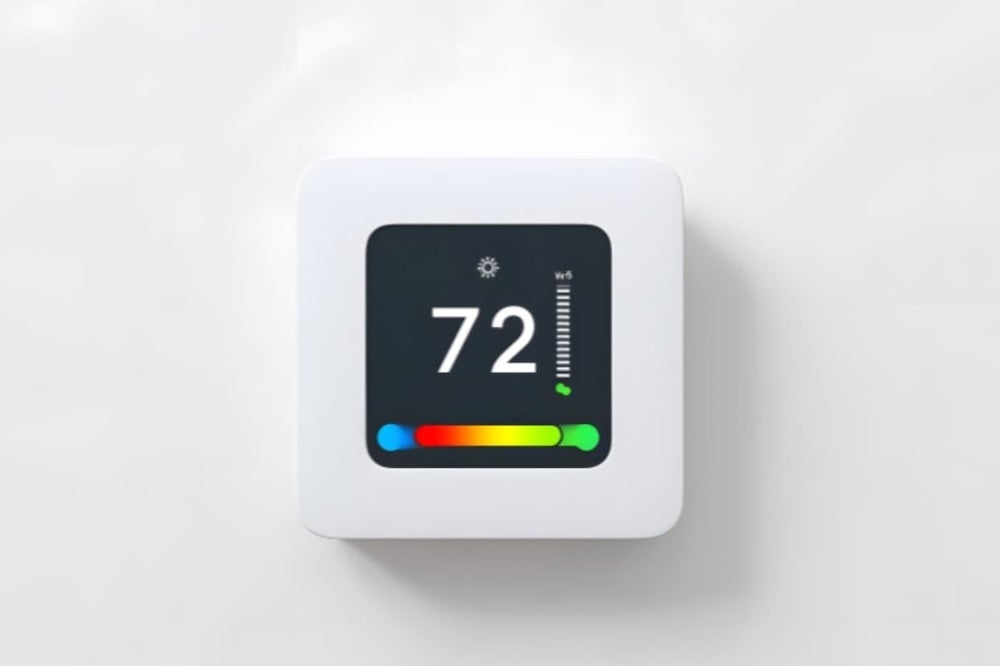
Roommates don't often agree on temperature, lighting, or even how often the windows stay open. One good practice is to agree on a comfort range (for example, a thermostat between 68 and 72°F) and use personal fixes like fans, blankets, and lamps to handle the rest.
Set Clear Expectations About Socializing
Some people want movie nights and shared dinners. Others just want a peaceful place to sleep. Be upfront about how social you want your home to be. Setting this expectation early will stop one roommate from feeling ignored and the other from feeling smothered.
Always Ask Before Using Your Roommate's Things
As a general rule, if something isn't yours, don't use it! Just because you live with them, it doesn't automatically mean you can use their personal things. Ask beforehand, and make sure your roommate does the same.
Don't Push Your Lifestyle Onto Your Roommate (or Let Them Push Theirs Onto You)
You may not share the same lifestyle with your roommate. Your roommate may want group dinners with organic groceries, while you're fine with pasta and jarred sauce.
A good roommate draws a line between shared basics (like cleaning supplies, toilet paper, and utilities) and personal choices (like gourmet food, premium décor, and frequent takeout). Each person covers their own extras, and no one gets pressured into funding a lifestyle they didn't sign up for.
Set Boundaries If There's Romantic Tension
If attraction is on the table, talk about boundaries early. Are relationships between roommates off-limits, or do you both accept the risks? Generally, it's best to avoid entering romantic relationships with roommates just in case it gets awkward for other roommates, or it doesn't work out. If you are living with an ex, keep communication neutral, ask them to be mindful about visitors, and plan when the roommate arrangement will end.

[Image by Kampus on Canva.]
When It's Time to Find a New Roommate
Sticking to the rules doesn't always lead to harmony. If you've done your part but the tension still won't ease, the healthiest move may be to walk away. That doesn't make you a bad roommate. Sometimes, being a good one means knowing when to step back.
As you start the process of finding roommates, keep an open mind. Not quite ready to jump into the search? Start with our guide on how to find a roommate. It'll help you define what kind of living situation actually works for you.
Then, use Spareroom to find roommates in LA, San Francisco, or anywhere else. It doesn't matter whether you're looking for Miami or NYC - we can help you find your perfect match.
Frequently Asked Questions
What Is the Golden Rule for Roommates?
Treat each other's space, time, and boundaries the way you'd want yours treated. That means cleaning up after yourself, paying bills on time, and being respectful. Your roommate shouldn't have to ask you to do these things. A good roommate keeps shared living stress-free and fair.
What Are Red Flags for Potential Roommates?
Watch out for a lack of transparency about finances, blaming all past roommates for their troubles, poor hygiene, and over the top friendliness.
Thinking of questions to ask potential roommates that'll help you assess them properly? We recommend asking about how they handle bills, guests, cleaning, and conflict. Their answers usually say more than they mean to.
Conclusion
It doesn't matter whether you've been living with roommates for one month or one year - you should always try to be a good roommate. Following the advice and tips above can help you be a good roommate and make living with others so much easier.
Disclaimer - This information is for general informational purposes only and should not be treated as legal advice. We recommend you consult an experienced Landlord Tenant attorney if you require legal advice.
References
- Renters living in units owned by mom-and-pop landlords are struggling to pay rent more than those living in large multifamily buildings. (2021, 9/9/21.), Urban Institute.
- Light and Noise Disrupting Sleep. (2023, 3/24-29/23.), American Academy of Sleep Medicine.