
Moving to a New City: A Guide for Roommates

[Photo by Karola G from Pexels on Canva]
Moving is stressful at the best of times, even if you're doing it under good circumstances. And if you're moving to a new city, you'll be facing some unique challenges.
But don't worry! If you're feeling overwhelmed at the prospect of starting over in a new city, we're here for you. Today, we'll be going over some information that can help you land on your feet in your new life.
Before Moving
People move for many reasons, like a change in circumstances or just for a change of pace, but some things are universal before moving. Here are some steps you need to take:
Do Your Homework
Before moving to a new city, do as much research as possible. The city you're moving to will be your new home, so it's important to familiarize yourself with it. You can learn a lot before you even set foot there.
Find information on the different neighborhoods, such as which areas are more desirable based on your needs. Research the amenities close by that would be most beneficial to your day to day life e.g. the nearest park, supermarket, parking, or links to public transport.
Finalize Your Living Arrangements Ahead of Time
Unless your move is a last-minute emergency, have your living arrangements sorted out before you go. You don't want to end up in a new city with nowhere to call home.
This step is particularly important if you're going to be living with roommates. Finding roommates in a new city can be challenging. That's why it's important to do it as soon as possible. Knowing what questions to ask potential roommates can make the process easier. Having roommates in a new city can save you money, but it also gives you people to socialize with when you first arrive.
You should also take the time to visit your new home before you move in. This can be tricky if distance is a factor, but seeing the place ahead of time can be helpful. You can also explore the neighborhood a little and see if you like it before committing.
Pack Ahead of Time
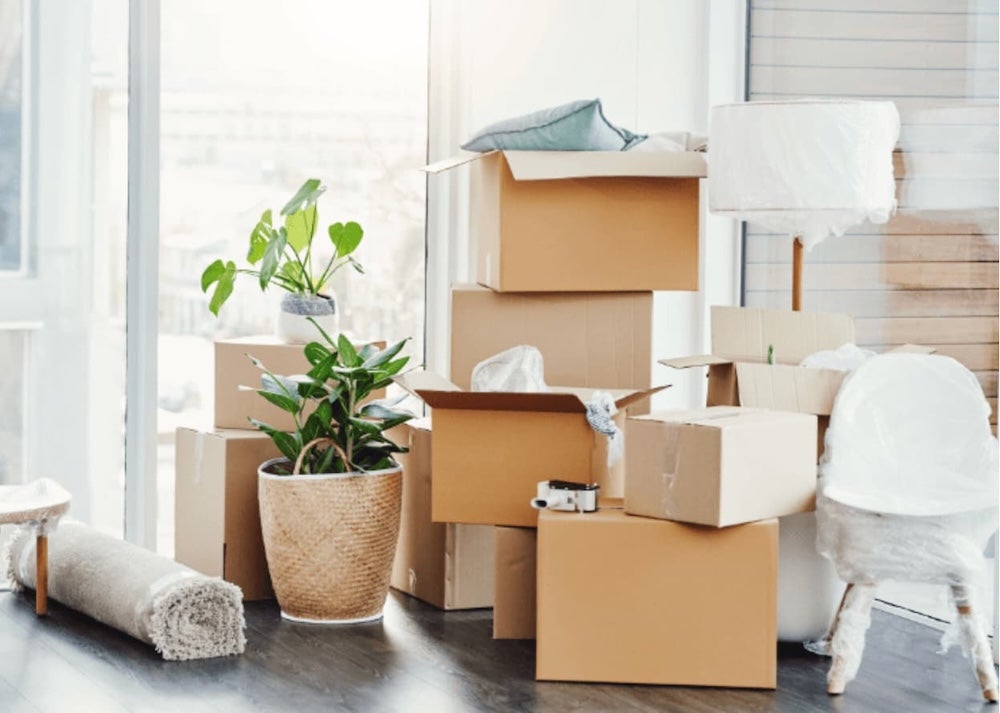
You're going to find the moving process stressful enough as it is. Don't make things worse for yourself by procrastinating on packing. Get as many of your belongings packed in advance.
Also, make sure to stay organized when you pack. Pack all your kitchen supplies in one box, and your bedding in another. Unpacking once you've moved into your new home will be so much easier if you packed everything well.

[Photo by AntonioGuillem from Getty Images on Canva]
Have a Budget
Moving expenses can add up quickly even under the best circumstances. Moving to a new city, especially if you're moving across the country, is no exception. That's why it's important to have a moving budget. Plan your moving expenses ahead of time as much as you can. Start setting aside money for your move as soon as you know that you'll be relocating.
Have a Job Waiting for You
For some people, getting a new job is why they move to a new city in the first place. But many of us also move for a fresh start.
When you move to a new city, you'll have access to new job opportunities. Start by researching the local job market before you move. You must have a solid understanding of your job prospects.
Ideally, you'll have the new job lined up before you move. This way, you can avoid scrambling for employment while also adjusting to a new home.
Decide How You're Moving
When you move to a new city, there are some unavoidable logistical issues you'll need to address. The biggest is how you're going to move. Ask yourself:
- Are you moving your furniture yourself?
- Will you hire movers or ask friends for help?
- Are you taking everything in your current home?
- Will you send some belongings to a storage facility for safekeeping?
These are all questions you're going to need to answer. Put together a list of pros and cons for each option. For example, one con of moving furniture yourself is that it'll tire you out, but a pro is that you won't have to pay extra costs. This way, you can choose the option that works best for you.
Moving Time
Once it's actually time to move, you'll need to consider just a few more logistics before finally breaking free from your old life.
Make sure to have all utility matters settled before leaving. Email your utility and internet providers so they know you're moving. Also, make sure to reach out to the postal service to start forwarding mail to your new address. You'll also want to cancel any landscaping or cleaning services you have.
Additionally, this is a good time to update your driver's license. It varies, but most states require you to update your license within a few days of moving.
Then, once you handle all of that, you'll need to leave your current city and head to the new one! Make sure to leave yourself plenty of time to travel, especially if you're going across the country. Even a well-planned move can experience delays.
Once you arrive, it's important to let yourself rest before jumping right in to explore your new city. Moving to a new city is a lot of work, and it's important to look after your own well-being and mental health during periods of stress.

[Photo by sturti from Getty Images Signature on Canva]
After Moving
If you're still feeling stressed even after you've completed your move, don't panic! That's completely normal. Being in a new environment can feel overwhelming. You might be experiencing culture shock if you're living in a big city that differs from where you lived before. Or you could find yourself struggling to make new friends. Read on to learn some great tips for acclimatizing yourself to your new environment.
Get To Know Your Roommates
If your social circle is feeling a little small after moving to a new city, try getting to know your roommates! Meeting new people and forming new relationships is a key part of moving to a new place. You can start with roommates because they're probably like-minded people. After all, you wouldn't be living with them otherwise. And if your roommates have been living there for a while, they can tip you off about local events and attractions. Before you know it, you'll have a robust social life and many new friends.
Leave Your Comfort Zone
If you find it difficult to do activities outside your comfort zone, you're definitely not alone. Most people struggle to branch out, especially after moving to a new city. But pushing yourself to attend local events and explore your new community can help you develop a deeper appreciation for your new home. By expanding your horizons, you'll also meet more interesting people and develop meaningful new connections.
Know What's Around You
If you're feeling lonely or at a loss in your new home, it's possible that you just need some new hobbies. After moving to a new location, research what sorts of activities are available in your area. Depending on what's out there, you can join clubs or even a sports team. These activities can help you form new friendships and build new routines.
[Photo by Dean Mitchell from Getty Images Signature on Canva]
Frequently Asked Questions
How Much Money Should I Have Before Moving to a New City?
The exact amount of money you should have before moving to a new city varies. That being said, it's important to have a moving budget and also additional money set aside as a safety net. Having extra money gives you a cushion in case something goes wrong. Also, make sure to always have enough funds to cover public transportation costs, particularly if you're moving to a big city with a lot of public transit. Even if you own a car, driving it everywhere may not be feasible. You'll also need to have enough money to cover the rent and security deposit for your new home, of course.
How Do I Find Good Roommates?
When choosing a roommate, it's important to determine if you're compatible. You don't want poor planning to trap you in an uncomfortable living situation. Take the time to compile a list of questions to ask potential roommates about.
Include things like cleaning habits and work schedules. Be honest about your own bad habits and ask that they do the same. And if you're going to have multiple roommates, be sure to meet them all before moving in together.
See our guide for a full breakdown of questions to ask roommates.
How Long Does It Take to Adjust to Living in a New City?
The adjustment period after moving to a new city is different for everyone. How quickly you'll grow to love your new home depends a lot on your individual circumstances. Some people bounce back from a life-changing move very quickly, while for others, it takes more time.
Making new friends and joining community events can help. Networking events can also help you meet new people while simultaneously finding new job opportunities. Having a support system in place in the form of friends and family can also help. Even if you aren't living near them anymore, old friends can provide emotional support.
Conclusion
Moving to a new city can be overwhelming, but with careful planning and research, it can also be an exciting new chapter. Prioritize finding the right living arrangements, managing your budget, and settling into your new environment. Remember to embrace new experiences and build connections with roommates and locals.
Disclaimer - This information is for general informational purposes only and should not be treated as legal advice. We recommend you consult an experienced Landlord Tenant attorney if you require legal advice.