
How to Rent an Apartment: A Step-by-Step Guide for First-Time Renters

[Photo by Anton Estrada from Canva.]
Finding the perfect apartment can be an exciting yet nerve-wracking experience. For many, it's a fresh chapter in life, a new home, neighborhood, and maybe even new roommates.
The thrill of searching for your dream apartment can quickly give way to the anxiety of meeting deadlines, dealing with paperwork, and navigating the expectations of landlords or property managers.
If you're feeling the pressure, we're right there with you. Many renters, especially first-timers, find themselves unsure of where to start or what steps to follow. We can confidently tell you that it's not as stressful as you imagine.
Ready to start? SpareRoom is here to help. As a leading platform for finding rooms, apartments, and even roomies, we'll make your next move easier with just a few clicks.
In this guide, we'll tell you everything you need to know about renting an apartment, from setting your budget to signing the lease and settling in. By the end, you'll have the confidence to go on your apartment hunt with a clear plan in mind.
Key Takeaways:
- Set a budget and factor in all living expenses, not just rent
- Gather essential documents, like pay stubs and references, for your rental application
- Research the neighborhood for safety, amenities, and commute times
- Review the lease carefully, focusing on rent, terms, and house rules
- Do a pre-move-in inspection to document any existing damages and avoid issues later

[Photo by Jakub Zerdzicki from Canva.]
Step 1: The Essential Pre-Search Checklist
Before checking out apartment listings and contacting landlords, take a step back and assess your financial and personal readiness. Being prepared from the get-go will save you time and help you avoid unnecessary stress when you start applying for places.
Start by Determining Your True Rental Budget
Consider what you can actually afford. Many potential tenants make the mistake of focusing only on the monthly rent, but that's just part of the picture. You need to account for all expenses, both upfront and ongoing.
Start by using the 30% rule as a rough guideline. This means your rent should typically cost no more than 30% of your monthly income. Our guide on how much to spend on rent explains this approach and details other budgeting strategies you can use to make this decision.
There are also a few additional costs you should factor in when calculating your budget:
- Rent: Obvious, but still the most important figure.
- Utilities: Some places include these in the rent, but others don't. Always confirm what's included before committing.
- Upfront Costs: Expect to pay at least one month's rent plus a security deposit. Some landlords might also charge an application fee or other miscellaneous fees.
- Extra Fees: Pet fees, parking charges, or fees for using certain facilities, like a gym or laundry room, can add up fast, so make sure you're aware of these before making any decisions.
You'll also want to have a cushion in your budget for the first month or two as you settle in. A few unexpected expenses might pop up as you adjust to your new living situation. Being financially prepared for the transition will help reduce any money-related stress.
Understand Your Credit Score and Income
Most landlords and property managers will conduct a credit check before renting to you. As such, it's absolutely crucial to know what's on your credit report before you apply.
A poor credit score can make it harder to secure an apartment, but it's not the end of the world. Here's how to navigate this:
- Check Your Credit Report: You can request a free copy of your credit report online. Look it over for any inaccuracies or accounts that could hurt your score. If there are issues, consider taking steps to improve your score before applying.
- Income Requirements: Generally, landlords require tenants to have an income of at least three times their monthly rent. For example, if the rent is $1,500 a month, you should ideally be making at least $4,500 monthly before taxes.
- No Renting History? No Problem: If you're a first-time renter or you lack rental history, you might need a co-signer or be prepared to pay a higher deposit. Some landlords may be more flexible with potential renters if you can show proof of steady income.
Critical Application Document Gathering
Once you've got your budget sorted and your credit in check, it's time to gather the necessary documents. Landlords will typically ask for the following:
- Rental Application: This will ask for details about your employment, income, and rental history.
- Photo ID: Landlords often require a government-issued photo ID, like a driver's license or passport, to verify your identity.
- Recent Pay Stubs: Most landlords will want to verify your income, so be prepared to provide the last few pay stubs or other proof of employment.
- Personal References: It's important to have personal references, ideally not family members, who can vouch for you as a reliable tenant.
- Social Security Number (SSN): If you're in the U.S., some landlords may ask for your SSN to conduct background checks.
Having these documents ready can speed up the process and help you stand out as a serious and prepared applicant.

[Photo by Zinkevych from Canva.]
Step 2: Finding the Perfect Apartment and Roommate
Once you're clear on your budget and ready to start your search, the next step is finding the right unit, and possibly, the right roommate. The process of finding a place can be fun, but it's easy to get overwhelmed by all the options out there. Use these guidelines to stay organized and focused:
Define Your Ideal Home: Must-Haves Versus Nice-to-Haves
Everyone has different preferences when it comes to the perfect living space. Understanding what's non-negotiable for you will help narrow down your choices.
Start by listing your must-haves. These are features that you absolutely need in your new apartment, such as:
- Location: Closeness to work, transportation, or school.
- Size: Number of bedrooms, square footage, or general layout.
- Appliances: Key appliances included in the apartment, like a stove, refrigerator, or dishwasher.
- Pets: If you have pets or plan to get one, ensure the apartment allows them.
- Accessibility For Persons With Disabilities: Features like wheelchair ramps, wider doorways, grab bars in the bathroom, step-free entryways, or an elevator if the apartment is not on the ground floor.
Next, identify your nice-to-haves. These are features that would make your life easier or more enjoyable but aren't deal-breakers. Examples include:
- Parking Space: A designated spot could be a huge plus if you have a car, but it's not always essential if you live in a city with good public transport. However, for some people, this could be a must-have.
- In-Unit Laundry: While not a must-have for everyone, having a washer and dryer in your apartment can save time and effort.
- Gym or Pool: If these are amenities you value, keep them on your list, but don't let them take priority over more essential features.
- Style and Design: Maybe there's a design or a particular floor plan you'd prefer.
Once you have your list of priorities, use those to guide your search and avoid wasting time on listings that don't fit your needs.
Getting Around the Neighborhood and Commuting
Even the perfect apartment can lose its appeal if the neighborhood isn't right or the commute is too long. Before settling on a rental unit, it's important to do your due diligence on the area. Check on:
- Safety: Research the crime rates in the area. Local government websites or online forums can provide valuable insights.
- Walkability: Consider how easy it will be to get around. Are there grocery stores, cafes, and other amenities within walking distance, or will you need to drive everywhere?
- Traffic Patterns: If you have a car, take note of local traffic patterns and how long it takes to commute to work or school during peak hours. A long commute can quickly become a daily headache.
Use a Smarter Way to Search for Rooms, Flats, and Roommates
After you've defined your budget and preferences, and you're ready to start your search, SpareRoom is the perfect smart tool to help you find the right apartment, shared rental, and roommate. You can search for rooms for rent in NYC, Miami, Austin, Washington DC, San Diego, or anywhere else across the US.
If you intend to look for a roommate to share your apartment and reduce your expenses once you move in, we offer tools to help you find compatible roomies based on your lifestyle and preferences. You can find roommates in Austin, Los Angeles, NYC, Atlanta, or anywhere else in the U.S., using our roommate finder.
Filter your searches and narrow down to someone who checks most of your boxes. We have a variety of filters that ensure you can search across a wide range of preferences. In case you need more help on this, read our comprehensive guide on how to find a roommate.
When you finally locate a space or potential roommate that you're interested in, don't hesitate to reach out. SpareRoom's easy-to-use messaging system allows you to connect directly with landlords and roomies to ask questions, schedule viewings, or get more information.
During your interview, use our strategically curated questions to ask potential roommates to guide your conversation. Want to be a great roommate yourself? Our guide on how to be a good roommate will help you build positive relationships as you move in together.
Now that you know where to find rooms or apartments for rent, as well as roommates, let's quickly look at the rental application process and everything that comes after.
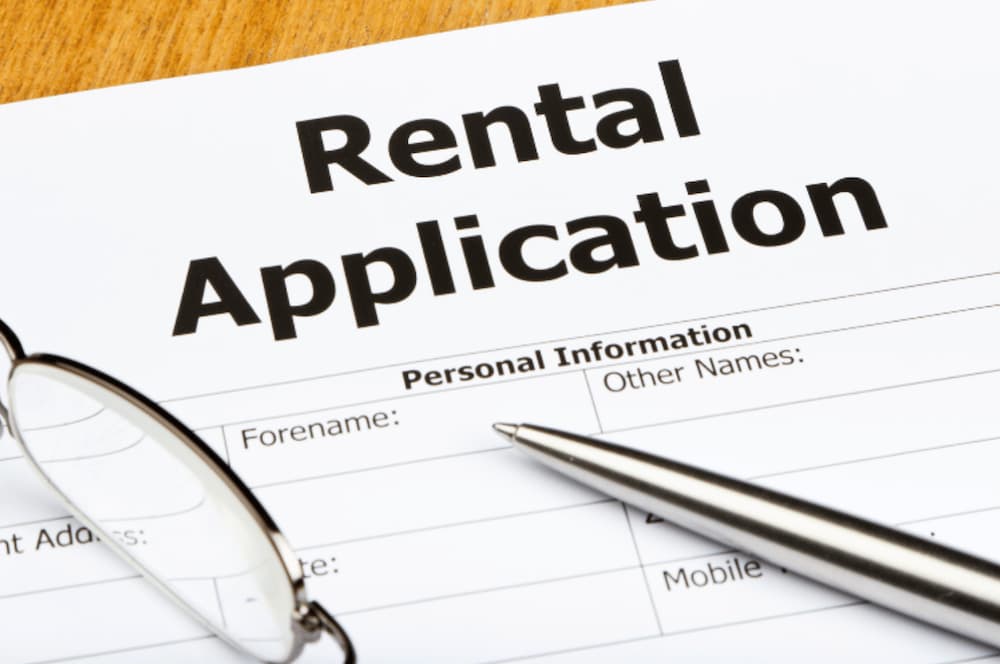
[Photo by Nigelcarse from Canva.]
Step 3: Application and Interview Process
Once you've found a unit that fits your needs and budget, it's time to apply for the rental and possibly go through an interview. This is where the real work begins, and it's essential to be well-prepared. The application process can be competitive in high-demand areas, so making a great impression is key.
Due Diligence and Leaving a Good Impression
Before you submit an application or even view an apartment, do your due diligence. Here are a few important tips for making a fantastic first impression during the viewing:
- Be Prompt: Showing up on time demonstrates respect for the landlord's time and sets the tone for the rest of the process.
- Be Prepared: Bring all the necessary documents (ID, pay stubs, etc.) with you to the viewing in case the landlord wants to start the application process right away.
- Be Polite: A friendly, respectful attitude can go a long way.
- Check the Property: During the viewing, make sure to thoroughly check out the apartment. Test fixtures, the water pressure, inspect the condition of the floors, and even check mobile phone reception to ensure you'll have good coverage.
Also, ask questions to ensure the apartment meets your needs. Some important ones include:
- How do you handle maintenance?
- Is there an emergency number if I need repairs?
- What are the quiet hours or guest policies?
- Is there parking, and is it included in the rent?
- Are there any renovations or repairs scheduled?
A well-prepared and professional approach during this step will set you apart from other potential tenants.
Submitting Your Rental Application
Once you've found the right apartment and made a positive impression during the viewing, it's time to submit your rental application. Most landlords will require you to fill out an application form, and here's what you can expect:
- Application Fee: Many landlords charge a non-refundable fee to process your application. This covers the price of background checks and other administrative tasks.
- Credit and Background Checks: Most landlords will run a credit and a background check to ensure you're financially responsible and have a clean rental history. If your credit isn't perfect, some landlords may ask for a higher security deposit or a co-signer to back up your application.
- Security Deposit: Be prepared to pay a deposit, which is typically equivalent to one month's rent. It protects the landlord in case of damage to the property. Unless there are any issues at the end of your tenancy, your landlord should return the deposit when you move out.
Once you've submitted your application, the landlord will likely let you know within a few days whether you've been approved. It's a good idea to follow up and express your continued interest if it's a place you really like.
Upfront Costs and Fees
In addition to the first month's rent and application fee, there are often additional charges you'll need to account for. Some common ones include:
- Admin Fees: Some landlords charge a fee to cover the cost of preparing the rental agreement or for other paperwork.
- Pet Fee: If you have a pet, expect to pay a pet fee, which can range from a small monthly charge to a larger one-time charge.
- Parking Fee: When a space is available, it may have an extra cost to secure it.
These fees can increase quickly! Clarify the total amount due before you sign the lease. You don't want to be surprised by any hidden charges after you've already agreed to rent the apartment and budgeted your money.

[Photo by Chalirmpoj Pimpisarn from Canva.]
Step 4: Signing the Lease and Securing Your Tenancy
The final step in the apartment rental process is signing the lease contract. This is a crucial document that outlines the terms and conditions of your tenancy.
Understanding the Dotted Line
The lease agreement (or rental agreement) is a legally binding contract between you and the landlord. Before you sign on the dotted line, take the time to review the following:
- Rent Amount and Payment Due Date: Ensure the rent amount is clearly stated along with the due date each month. Some leases may include penalties if you pay rent late.
- Lease Duration: Check how long the lease term lasts. Most leases are for 12 months, but shorter or longer terms may also be available.
- Security Deposit: The lease should specify the deposit amount, what it covers, and the conditions for its return.
- Renewal and Termination Clauses: Understand how to renew or end the lease. Some leases automatically renew, while others require you to give notice if you plan to move out.
- House Rules: The lease will include rules regarding things like smoking, guests, and the pets allowed. Make sure these align with your lifestyle and preferences.
Remember, the lease agreement is legally binding, so never sign anything you don't fully understand. If you have any doubts, don't hesitate to ask the landlord or property manager to clarify the terms.
Protecting Yourself and Your Belongings
Your security deposit doesn't protect your personal belongings. This is where renters' insurance comes in. While it's not always required, it's a good idea to get this insurance to protect your possessions from things like theft, fire, or water damage.
If you're moving into a shared space, check whether you're responsible for your own insurance or if the landlord's insurance will cover you. Either way, renters' insurance provides peace of mind, knowing that your personal items are covered.
Breaking the Lease Early
Life can be unpredictable, and sometimes you might need to move out before the lease term is up. The lease will outline the notice period you need to give the landlord. There may be penalties or fees associated with breaking the lease early. Some landlords might allow you to find a replacement tenant to take over the lease, so it's worth asking about this option.
It's always better to plan ahead and understand the terms before signing. If you're interested in temporary housing or anticipate that you might leave early, discuss this with the landlord beforehand to see if there's any flexibility.

[Photo by Aflo Images from Canva.]
Step 5: Moving In and Settling Down
The Move-In Day Checklist
Moving day is a whirlwind of packing, unpacking, and organizing, but there are a few essential things you'll want to take care of before you dive into the chaos:
- Inspect the Apartment: Before you start moving in your stuff, do a pre-move-in inspection. Walk through the apartment and take note of any existing damage, wear and tear, or issues you see. It's best to document everything with photos or videos. This will protect you when you move out and ensure you're not held responsible for any pre-existing damage.
- Check the Utilities: Confirm the utilities included in the rent. If none are, make sure to set up any services you'll need before you move in. You don't want to arrive at your new apartment to discover that you have no power or internet.
- Water and Electricity: Contact local utility companies to set up or confirm your accounts for electricity and water. This is usually something that needs to be arranged before your move-in date, in most cases, with your landlord's help.
- Wi-Fi and Internet: If your rental unit doesn't include Wi-Fi, make sure to set it up. Research available providers in the area and book an installation date.
- Other Utilities: Depending on the location and property, you may also need to set up other utilities, such as gas or cable TV.
- Make Sure Everything Works: Test things like light switches, faucets, and appliances to ensure everything is functioning. If something's broken, report it to the landlord right away.
On moving day, you'll be juggling a lot. Taking the time to do this early on will help you avoid last-minute problems.
SpareRoom's Exclusive Guides for a Perfect Renting Life
Now that you've got your apartment and your move-in all set up, it's time to think about making your experience as positive as possible. At SpareRoom, we offer a wealth of resources to help you enjoy your new place and make the most out of living with roommates.
- Know Your Rights: We cannot reiterate this enough. Our exclusive guides below provide comprehensive information to keep you informed:
With these guides, you'll be fully equipped to make your shared rental experience a successful one.
Frequently Asked Questions
What do I need to rent for the first time?
If you want to rent an apartment for the first time, you'll need to provide proof of income, a credit report, and personal references. If you don't have a rental history, a co-signer may be necessary.
What do I need for a first apartment?
Along with the standard rental application documents like ID, pay stubs, and references, you'll need to be prepared for upfront costs such as the deposit, first month's rent, and potential application fees. Make sure your budget can accommodate these expenses.
What's a good budget for a first apartment?
A good rule of thumb is to keep your monthly rent around 30% of your gross monthly income. In addition, remember to account for utilities, upfront fees, and other costs like renters' insurance and parking fees.
What should I buy before moving into a new apartment?
Before moving in, you'll need essentials, such as furniture (bed, couch, etc.), kitchenware, toiletries, and any other personal items you want to have ready for your new place. Make sure to arrange utilities such as electricity and Wi-Fi in advance.
How much salary is required for rent?
Some landlords often require your monthly income to be at least three times the rent. For example, if the rent is $1,500, you'll need to earn at least $4,500 before taxes.
Conclusion
Renting an apartment can be daunting. Our step-by-step guide recommends that you start by preparing your finances, understanding the application process, and ensuring you're familiar with the lease agreement. This way, you can navigate the entire journey with ease.
The apartment hunt is a marathon, not a sprint. With the right preparation, you'll secure a place that suits your needs and budget.
Start searching on SpareRoom today to find the perfect roommate or rental property for your next move.
Disclaimer - This information is for general informational purposes only and should not be treated as legal advice. We recommend you consult an experienced Landlord Tenant attorney if you require legal advice.