
Can a Landlord Break a Rent-to-Own Contract? What Roommates Need to Know
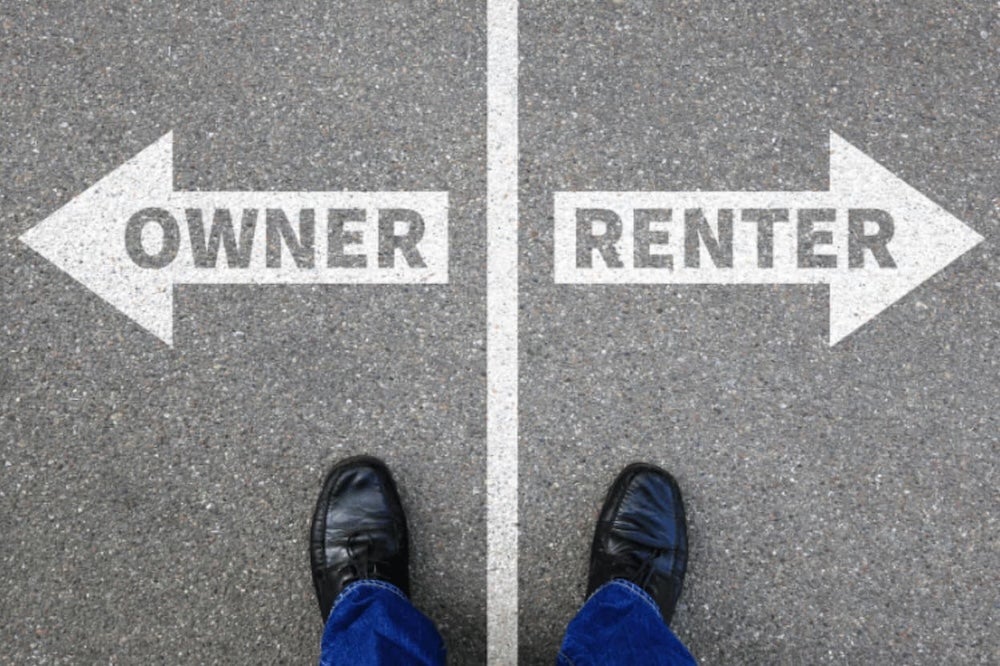
[Photo by Boarding1Now from Getty Images on Canva.]
Living with roommates in a rent-to-own arrangement can be a budget-friendly way to move toward homeownership. A rent-to-own contract is a type of rental agreement that includes the option to purchase the home later on. It outlines both the rental obligations and the roommate or tenant's path to ownership.
But what happens if the landlord wants to end the agreement? Can a landlord break the contract once you've signed it? This post explains everything you need to know, including your rights as a tenant, the financial implications, and how to protect yourself if things go sideways.
Whether you're looking for rooms for rent NYC, Boston, Houston, or anywhere else in the US, understanding your rights in rent-to-own agreements will help you make the right housing decisions.

[Photo by ryandeberardinisphotos on Canva.]
Rent-to-Own Contracts: How They Work
A rent-to-own contract, also called a lease-to-own or lease option agreement, is a unique arrangement that gives renters the potential to buy the property at a later date. Usually, the renter would sign the lease and agree to pay monthly rent and also have the option (or sometimes the obligation) to buy the property at a set purchase price, at a later date.
The process of rent-to-own gives tenants the time and space to work their way toward owning a home. The benefit to the roommate is that you can live in the property; the benefit to the landlord is a committed, long-term tenant. By understanding how the rent-to-own process works, you can make informed decisions and avoid surprises later on.
Whether you're exploring rooms for rent in San Diego, Miami, or checking out rooms for rent Las Vegas, knowing your rights in a rent-to-own contract can help you avoid costly setbacks and make informed housing choices
Understanding Rent-To-Own Contracts
A rent-to-own contract is a combination of a lease agreement and a future purchase agreement. The duration or term of the lease is an important component because it defines how long the tenant or roommate can live in the property before purchasing it. The tenant can rent the property for a specific timeframe, and during or at the end of the term, can buy it at an agreed-upon price.
One way of structuring the rent-to-own agreement is to give a roommate or a tenant the right to buy, without imposing it as an obligation. Another arrangement would be to require the purchase at the end of the lease term.
Ordinarily, a predetermined portion of your rent will be allocated towards the down payment of property in the future. You would pay an option fee up front. This fee would secure your right to buy the rental property at the negotiated purchase price.
[Photo by shisuka on Canva.]
Rent-to-Own Contract Benefits
Rent-to-own agreements can benefit roommates and landlords. From a tenant's perspective, these agreements give you a chance to live in the home and experience the neighborhood before you invest. When you pay your monthly rent payments, a portion of it can be credited toward your future down payment. This can make it easier to obtain financing and own the home.
From the landlord's point of view, a rent-to-own agreement delivers steady rental income every month, plus the potential of a sale. This kind of contract is likely to attract long-term tenants who have a vested interest in maintaining the property.
Rent-to-Own Contract Drawbacks
Rent-to-own agreements also have their disadvantages. One of those is when a rent payment is missed, violating the terms of the lease agreement. If the tenant chooses not to purchase the property, they may lose their option fee as well as any rent credit they may have accumulated. The tenant would experience financial losses as a result.
Landlords may struggle to evict tenants who don't maintain the property or breach the terms of the lease.
Both parties can manage these risks by drafting a rent-to-own agreement that covers the fine details, including the rental payments, property purchase price, option fees, and responsibilities for maintenance. Doing this can reduce the likelihood of misunderstandings and provide a clear path for resolving any disputes through alternative dispute resolution methods.
[Photo by Andy Dean photography on Canva.]
When Can a Landlord Break a Rent-to-Own Contract?
Contract Breach by the Tenant
If roommates or tenants do not comply with the lease terms - by causing property damage or missing rent payments for example - they could give the landlord legal grounds to break a rent-to-own contract.
Foreclosure or Financial Issues
If the landlord is behind with their mortgage payments or faces foreclosure, the bank could take the property.
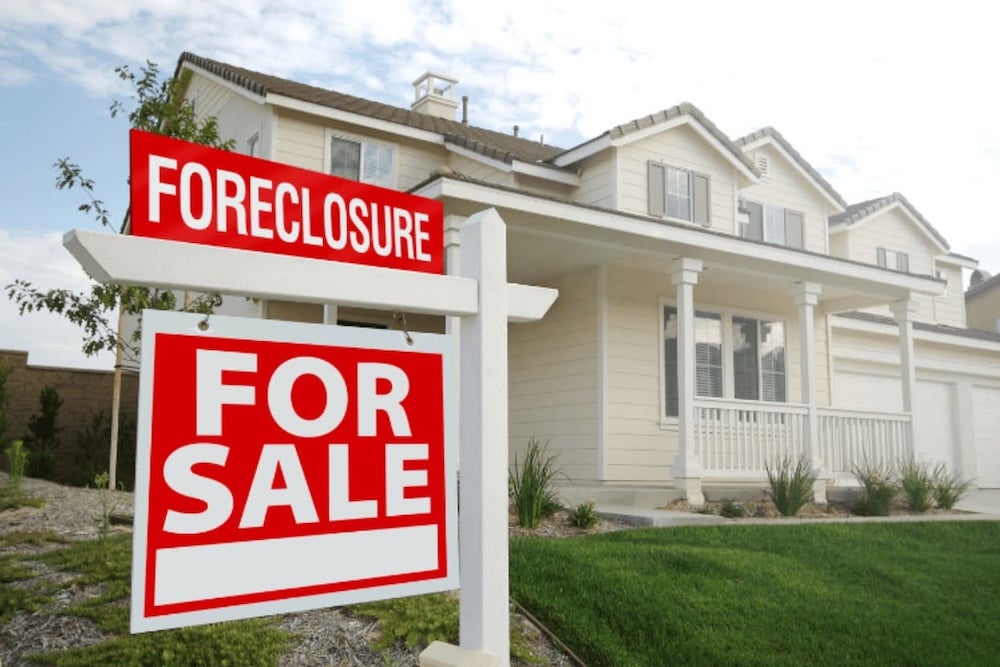
Foreclosure happens when a property owner falls behind on their mortgage payments and the lender takes legal action to recover the money. If the owner can't catch up on their payments, the bank or mortgage company can take back the property and sell it to cover the debt. For tenants in a rent-to-own agreement, this means that even if you've made every payment on time, the contract could end if your landlord loses the property through foreclosure.
This would end the rent-to-own contract, even though it's not the tenant's fault. When the landlord still owes money on the property, this is a valid risk.
By Mutual Agreement
In some situations, a landlord and a tenant may decide that the agreement isn't working. In this case, both could agree to an early termination. This must be done in writing, and both parties must agree. If so, this can provide a smooth exit.
Legal Loopholes or Clauses
In some rent-to-own agreements, there may be clauses that allow for early termination if certain conditions are met. An example could be a clause that states that if the tenant does not qualify for a mortgage by a specified date, the agreement can be canceled.
Contract Terms and Legal Considerations
Review the Contract Language
While you may find templated options online, each rent-own-contract is different. That's why roommates and tenants must read all the fine print to understand the circumstances under which the landlord can terminate it. Get legal advice if you're unsure of any language before you sign.
State Laws and Protections
Each state has different laws and levels of protection. In some states, rent-to-own contracts are treated the same as traditional lease agreements. In other states, consumer protection or real estate laws could come into effect. State laws can affect whether a landlord can break the rent-to-own agreement legally.
Documentation and Communication
If your landlord tries to terminate your contract early, make sure you get it in writing! Keep records of your payment receipts as well as your original lease.
Property Maintenance and Repairs
Property maintenance is an important part of a rent-to-own agreement, especially when you're in the relationship for the long term. The lease should clearly state which maintenance responsibilities the tenant manages and which the landlord handles.
Generally, tenants are responsible for minor repairs and the day-to-day management of the property. Landlords are expected to tend to structural issues and major repairs.
Landlords and tenants should keep all correspondence related to repair and maintenance requests. This is to prevent future disputes and enable a smooth transition when the tenant purchases the property. Conduct regular inspections - you'll be able to manage the small issues before they become bigger ones!
Tenant Protections in Rent-to-Own Agreements
On a positive note, you may have more rights than you realize if you're renting in a rent-to-own agreement. There are legal protections in force, including fair housing laws, so that you're treated fairly. When you have paid your rental consistently and complied with the terms of your agreement, your landlord cannot simply change their mind without legal consequences. In some circumstances, you may have legal remedies available or be entitled to compensation.
Consequences If a Landlord Breaks the Contract
If a landlord doesn't comply with the rent-to-own agreement and ends the contract without just cause, there are legal consequences that could include:
- The tenant could be awarded compensation for investments or payments lost
- Legal penalties subject to the prevailing state law
Can a Landlord Break a Rent-to-Own Contract Early?
Some conditions would make it legal for a landlord or tenant to terminate a rent-to-own property agreement early:
Mutual Termination
If both the landlord and tenant agree, they can sign a termination agreement to end the rent-to-own deal. The termination agreement's contract terms should cover refunding any fees, handling the security deposit, and settling any unpaid balances.
Breach-Based Termination
Either party can legally break the agreement before the lease period is up if the other party is guilty of lease violations. These could include a tenant not paying rent or causing damage to the property.
If an owner or landlord doesn't manage the property properly, like not honoring repair requests, it would breach the terms of the contract.
To end the rent-to-own agreement early, the breach must be serious. The party wanting to terminate the rent-to-own contract must also notify the other party in writing and give them the opportunity to resolve it.
Is There a Built-In Exit Clause?
Some rent-to-own contracts may include early termination clauses. They may outline penalties or other conditions for cancellation. If your landlord has built in an exit clause, it may be worth taking a closer look.
There are financial implications for committed rent-to-own tenants who pay rent on time if a lease ends early. A real estate attorney would be able to give you legal guidance if your written agreement has an exit clause. Seek legal advice before you sign the contract.
The Basics of Contract Termination
Steps for Legally Terminating a Rent-to-Own Agreement
- Check the contract. Look for breach clauses and early termination rights.
- Save everything. Make sure you keep paper and/or digital copies of all contracts, agreements, payments, notices, and conversations.
- Send written notice. If you plan to break a rent agreement, you have to send a written notice.
- Stay diplomatic. Aim for a fair outcome regarding moving timelines and any refunds or payments due.
The Importance of Legal Advice
Rent-to-own agreements incorporate elements of both buying and leasing, so it's smart to get legal advice before you sign anything. Working with a real estate attorney can help you understand your rights, contracts, and real estate transactions. It may also help you avoid legal disputes later on.

[Photo by Giselleflissak from Getty Images on Canva.]
Preventative Measures for Rent-to-Own Contracts
- Always read and understand property contracts before signing them. A legal professional should review your lease purchase.
- Don't make or accept verbal agreements. Everything you discuss and agree to should be in writing.
- Do your due diligence and make sure the landlord who offers a rent-to-own agreement actually owns the property! Investigate the landlord's track record before you make a commitment.
- Request for your payments to be held in escrow. Escrow protects your rent credits by holding payments with a neutral third party, giving you transparency, proof of payment, and security if disputes arise.
Frequently Asked Questions About Rent-to-Own Contracts
Can a landlord break a rent-to-own contract to sell to someone else?
Only if there is a clause in the lease purchase agreement or if the tenant has breached it.
What happens to my rent credits if the contract is broken?
You could lose them if the agreement is broken early, but it depends on the terms of your contract. However, it could also be possible to recover any financial losses incurred (later) if you take legal action.
What if my landlord is foreclosed on?
If your landlord experiences financial difficulties and is foreclosed on, you could lose the property, even if you've never missed payments.
Is a rent-to-own contract legally binding?
Yes. A rent-to-own agreement is a hybrid agreement that has real estate and lease components. Breaching its terms can have legal consequences.
Conclusion
Even though a rent-to-own agreement can offer you a path to home ownership, it does carry risks. If you live with roommates under a rent-to-own agreement, you must understand your rights so you can prepare for what happens if your landlord breaks the contract.
Looking for a place to share with the right people? Start your next chapter today with SpareRoom.
Disclaimer - This information is for general informational purposes only and should not be treated as legal advice. We recommend you consult an experienced Landlord Tenant attorney if you require legal advice.