
How Much to Spend on Rent? A Practical Guide to Affordability

[Photo by Moyo Studio from Canva.]
Realistically speaking, how much should you spend on rent? Half of your salary, a quarter of it?
When you spend beyond your means, you could end up sacrificing your ability to save, pay off debt, go on vacation, and generally, your financial freedom. You need a cut-off on the amount you can spend on rent so you still live your life comfortably.
By now, you're probably familiar with the 30% rule. The general guideline is that you shouldn't spend more than 30% of your income on rent. While this can serve as a useful guideline, the truth is, it isn't necessarily the most workable solution for everyone. What works for someone else may not necessarily suffice for you.
In this guide, we'll give you a quick breakdown of the rent cost ratios, the affecting factors, and the reasons why shared housing could be your best bet if you're looking for comfort and affordability.
In the end, your rent-to-income ratio is more than just a collection of numbers on paper. Your financial well-being and quality of life will depend on your ability to create a rent payment strategy that works in your favor. And SpareRoom can help make this much simpler. Let's get started!
The Financial Foundation
Let's step back and consider the basics, starting with your net and gross income.
Understanding Gross Income
Don't fret! This is a very simple concept to understand. Gross income is the total amount of money you make before taxes and deductions. If you're paid $4500 per month, that's your "entire" or gross monthly income. If you make $54,000 per year, before any deductions, that's your annual gross income.
Monthly gross income is important because most landlords and property managers use it to determine whether you'll be able to pay rent. However, it doesn't give you an accurate picture of how much money you have left to pay rent once everything's said and done.
Now, after taxes, health insurance, student loan payments, and any other deductions are taken out, what you're left with is your net income. This is the money you actually get to spend on rent.
Understanding Net Income
Your net income, or after-tax income, is what matters when it comes to deciding how much rent you can afford. The reason, quite simply, is that this is the money you have left after you've taken care of all your other bills.
- Monthly Gross Income: Let's assume you make $4,000 per month before taxes
- Deductions (Taxes, Insurance, etc.): You spend $1000 on these deductions
- Net Income (Take-Home Pay): $3000
You should, therefore, determine your monthly rent budget based on the remaining figure, in this case, $3,000.
Now, let's look at how you can budget your net income for rent below. Before you begin looking through the ads on SpareRoom to find affordable rooms for rent in Los Angeles, New York City, Miami, and other locations across the U.S., the first step is knowing what you can and cannot afford. One budgeting approach is the classic 30% rule.

[Photo by Karola G from Canva.]
Rule #1: The Classic (and Controversial) 30% Rule
Chances are you've heard of the 30% rule before. It's one of the most popular guidelines for determining the maximum amount you should be spending on housing costs. The concept here is pretty straightforward. Your rent should cost you no more than 30% of your gross pay.
The Standard Guideline
Let's say that your gross monthly income is $5,000. The 30% rule dictates that you should spend no more than $1,500 on rent each month. Now, this seems like pretty good advice, doesn't it? The thing about the 30% rule, however, is that it oversimplifies the situation.
The Landlord Test
Landlords and property managers usually use the 30% rule when screening prospective tenants. What this means is that, when you're earning $5,000 a month, they expect you to be able to make a $1,500 rent contribution without strain.
Some landlords even ask for a rent-to-income percentage that exceeds 40%, particularly in big and popular cities where the demand for housing exceeds the supply. Note that most places in these cities have higher rents.
The problem, however, is this. Although the 30% rule is a useful guideline, in some cases, it simply doesn't represent the rental options and situation in the modern housing market, particularly in bigger cities.
The Pitfall of the 30% Rule
The problem with the 30% rule is that it doesn't factor in your current loans and any debts you might be responsible for. Let's assume you have credit card debt, student loans, and personal loans. This could cut into the amount you need to spend on rent. Therefore, even though $1,500 might appear to be a reasonable figure in relation to the 30% rule, once you consider other expenditures like grocery shopping, car loan, and health insurance, $1,500 might be too high for rent.
Also, the 30% rule ignores the fact that rent costs keep fluctuating depending on your location and the rental market. In large metropolitan cities such as New York, Los Angeles, and Miami, it's not easy to stick with the 30% rule. Rental costs in such large cities have always been on the higher side, particularly when compared to the median household income. This makes it difficult for residents to follow the 30% rule. Thus, people usually resort to cheaper solutions, such as sharing with roommates, which costs less than renting an entire place by yourself.
For instance, in New York City, Los Angeles, and San Francisco, it would typically cost over $3,000 a month for a small one-bedroom apartment. This means that, if you're making $5,000, the rent would end up accounting for over 60% of your monthly gross income. In such a scenario, shared accommodation becomes an important solution for keeping rent manageable. With the right roommates, you can cut your monthly rent in half, reduce housing expenses, and live more comfortably.
At SpareRoom, we understand that everyone's idea of the perfect roommate is different. That's why we'll help you locate your roomie based on what's important to you. Every three minutes, someone finds a roommate on SpareRoom. You can find rooms for rent in Austin, Las Vegas, Houston, and more.
Now, let's look at a more holistic approach to rent budgeting.
[Photo by Numbeos from Canva.]
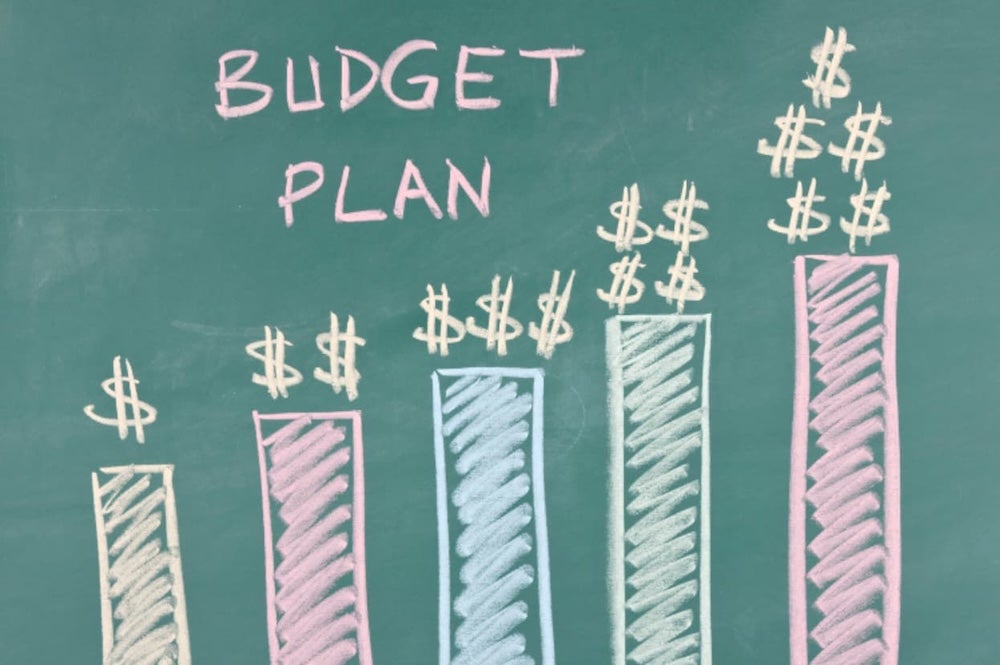
Rule #2: The Holistic 50/30/20 Budget Plan
If the 30% rule doesn't fit your budget, you could consider using the 50/30/20 approach. This budgeting technique breaks your finances into three spending categories:
- 50%: Needs, necessary expenses like rent, utility costs
- 30%: Wants, non-essential spending
- 20%: Savings, loans, and other debt payments
Let's focus on the 50%.
The 50% 'Needs' Budget
The 50% needs budget covers essential expenses, such as your rent, utilities, and groceries. Your monthly rent is included in here because it's an essential cost and a major financial obligation.
The aim of the 50-30-20 split is to ensure you don't spend more than 50% of your income on essential costs. This budgeting strategy gives you more financial breathing room in the long run. It makes it easier to tackle other financial goals like debt payments or saving for the future.
So, if you're asking, "How much should I spend on rent?" using this approach, we'll help you figure it out.
If you earn $5,000 a month in net income, your 50% "needs" budget would be $2,500. This means your total housing costs, including rent, utilities, and any other mandatory expenses, should not exceed $2,500. Let's say you rent a room for $1,200, you're well within your budget, leaving plenty of room for utilities, groceries, and any other essential costs.

[Photo by Karola G from Canva.]
Rule #3: The Conservative 25% Net Rule
If you're aiming for maximum stability and minimal stress, some financial experts advocate for the 25% net rule. This is a more conservative approach to budgeting, where your rent payments (including renters' insurance payments) should consume no more than 25% of your after-tax income.
The Aggressive Goal
At first glance, the 25% rule might sound overly conservative. After all, it means you'd be spending far less on rent compared to the more traditional 30% or 50/30/20 rules. When you keep your rent low (and within 25% of your net income), you're creating more space in your budget for savings, investments, or tackling additional debt payments.
For example, if your monthly net income is $3,500, you'd aim to spend no more than $875 on rent and other housing costs. While this might seem like a tight budget, it's an aggressive approach that maximizes the money you have available. It means you still have a significant amount left over to put toward retirement savings or an emergency fund, both of which are crucial for long-term financial well-being.
The Trade-off
Of course, there's a trade-off when it comes to the 25% rule. If you're sticking to a rent payment that low, you might have to make some concessions, like living in a less desirable neighborhood or compromising on amenities. But if your goal is to save money, reduce financial stress, and keep your living expenses low, this strategy could be the right fit for you.
The key is finding a living situation that aligns with your financial priorities. If you have an extra bedroom, shared living can be an easy way to ensure you stay within this 25% limit and still enjoy a comfortable living situation. You get to split costs on monthly rent payments, and depending on your agreement with your roommate, maybe even share grocery or utility costs, and other day-to-day expenses. Finding the right person to live with is one of the important factors for a successful roommate setup.
Read our comprehensive guide on how to find a roommate and see where you should look, and what you should watch out for. If you've already found people you'd like to live with, our guide on questions to ask a potential roommate will help you meet someone compatible.

[Photo by Karola G from Canva.]
What to Consider When Planning How Much to Spend on Rent
1. Rent-to-Income Ratio
While the rent-to-income ratio is a great starting point, it's important to consider other financial obligations you might have. Do you have student loans or credit card debt payments? What about monthly subscriptions, car payments, or family support? These will impact how much rent you can afford.
A simple calculation might tell you that you can spend $1,500 a month on rent. However, if you're fulfilling monthly minimum debt payments or saving aggressively for the future, you might need to adjust that number downward. Thus, consider the following:
- The Flexibility of the Budget: The beauty of personal budgeting is that you can adjust it to fit your circumstances. If you're debt-free and not concerned about savings, you might decide to allocate more of your monthly income to rent. However, if your primary goal is to save money, it's smart to stick to a lower rent-to-income ratio.
- Tools for Decision-Making: One of the best ways to determine your rent affordability is by using an affordability calculator. You'll input your income, debt, and other monthly expenses, and it will visualize how much you can comfortably allocate toward rent.
2. The Hidden Costs That Inflate the Rent Budget
Upfront Costs
When you first sign a lease, you'll often need to pay more than just the first month's rent. It's important to budget for these initial costs so you're not caught off guard. Common upfront costs include:
- Security deposit: Typically equal to one month's rent, the security deposit is refundable at the end of your lease as long as there are no substantial cleaning issues, damage to the property, or unpaid rent.
- First and last month's rent: Some landlords require both upfront, which can add a significant amount to your initial expenses.
- Application fees: These are common for rental home applications, though not always required.
Monthly Recurring Costs (Other Expenses)
Once you've moved in, there are monthly recurring costs to consider. These include:
- Utilities: Water, gas, electricity, streaming services, and trash collection may or may not be included in the rent, especially in shared housing situations. If you're sharing a space with others, utility costs tend to be significantly lower, which can help with overall affordability and how much rent you pay.
- Renters insurance: Many landlords require renters insurance, which protects your personal belongings in case of theft, fire, or other emergencies. This can cost anywhere from $10 to $30 a month, depending on coverage.
- Transportation: Don't forget to account for commuting fees and any additional insurance or costs associated with transport you regularly take.
Moving Costs
Lastly, moving and transportation costs can create unexpected expenses. Take the time to calculate how much you might spend to set up your new place, and consider how much of your savings you want to allocate to this process.
When you're living in a shared space, you can divide some of these costs (like buying furniture or appliances) with your roommates. It's one of the advantages of shared living that many people overlook.

[Photo by Anyaberkut from Canva.]
Frequently Asked Questions
What is the 30% housing cost rule?
The 30% rule suggests that your rent should be no more than 30% of your gross monthly income. For example, if you earn $5,000 a month, you should aim to spend no more than $1,500 on rent.
Can I use the 50/30/20 rule for rent?
Yes! The 50/30/20 rule is another budgeting method that divides your after-tax income into three categories: 50% for needs (including rent), 30% for wants, and 20% for savings or debt repayment. This rule gives you more flexibility and helps you balance your spending effectively.
How can I reduce my housing costs without moving to a cheaper city?
The most effective way to lower your housing costs without relocating is to get a cheaper place or choose shared living. Renting a room allows you to split rent and utility costs with roommates, significantly reducing your largest monthly expense. This approach makes living in high-cost areas more affordable, allowing you to enjoy city life without the hefty price tag.
What is the difference between gross income and net income when calculating rent affordability?
Gross income is your total pay before any deductions, and it's typically what landlords use to assess your eligibility for a lease. Net income, on the other hand, is your after-tax income (take-home pay) and should be the figure you use when determining how much you can actually afford to spend on rent. Net income gives you a clearer picture of what's realistic for you when it comes to cost of housing, debt payments, and savings goals.
What are the average rents in the USA?
The average rent for a one-bedroom apartment in the U.S. typically falls between $1,500 and $1,800 per month. However, this can vary greatly depending on the city and local rental market. The good news is that by looking for shared housing options with roommates, you can cut those costs significantly. SpareRoom offers affordable room rentals, often well below the average price of a one-bedroom apartment, helping you live comfortably while saving money.
Conclusion and Next Steps
How much to spend on rent depends on which budgeting approach you'd like to take and the type of living situation you want. This rent ceiling is deeply personal and depends on your monthly and annual income, financial obligations, and long-term goals.
Use strategies like the 30% rule, 50/30/20 rule, or the 25% net rule to decide how much rent to pay, or consider shared housing options. The goal is to find the balance between affordable rent and financial stability.
At the end of the day, the right rent for you will depend on the numbers, and also ensuring you're living within your means while maintaining your quality of life.
Disclaimer - This information is for general informational purposes only and should not be treated as legal advice. We recommend you consult an experienced Landlord-Tenant attorney if you require legal advice.