
Are Utilities Included in Rent? What Every Renter Should Know
[Image by Maskim Shchur from Getty Images on Canva.]
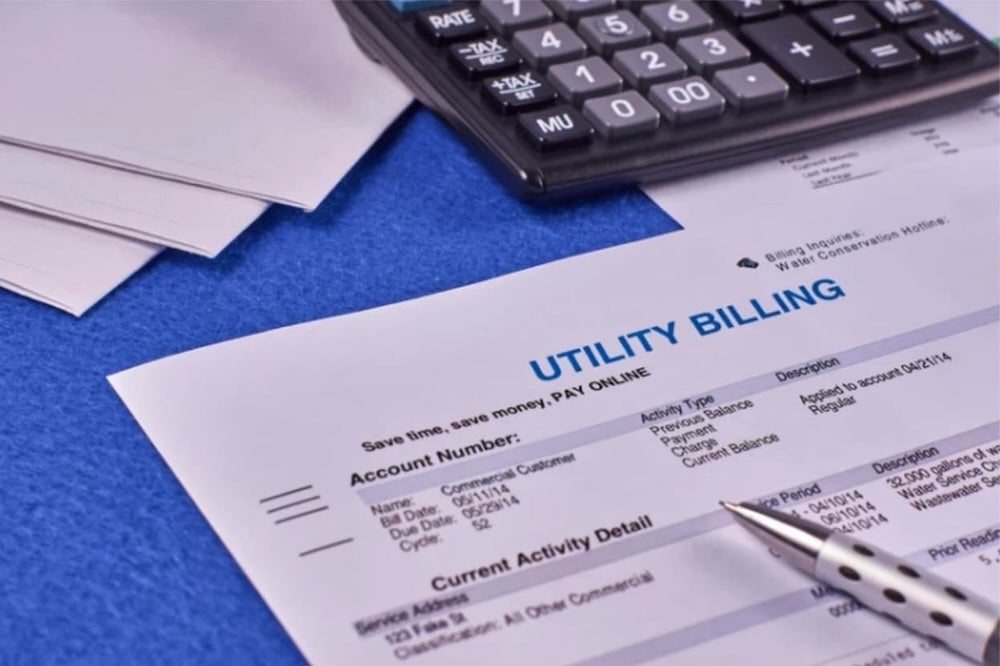
Are utilities included in rent? Since rent eats a big chunk of your pay every month, you might be thinking about how nice it'd be not to juggle separate utility bills. It's possible for a landlord to roll utility costs into rent, but whether they do and how many amenities are covered depends on a few factors.
Key Takeaways
- Whether utilities are included in rent depends on your lease, the property setup, and how each service is billed.
- Landlords usually cover shared essentials like water or trash removal, but tenants take care of electricity, gas, and internet.
- No federal law requires utilities to be included, though state rules make landlords responsible for keeping basic services running.
- Always confirm which utilities are covered before signing a lease so you know exactly what you're paying for.
Are Utilities Included in Rent?
That depends on the type of property, the landlord, and the rental agreement. Some landlords, especially those who own apartments, shared houses, or student accommodation, may adjust rent to contain specific utility costs. Others may not.
Are Utilities Included if You Live with Roommates?
No, utilities aren't always included when you share an apartment with others. This applies whether you're living with roommates in NYC, Dallas, Los Angeles, San Diego, Boston, or anywhere else. As a bottom line, utilities are only included in rent if the lease agreement says so.
If your landlord includes utilities in the rent, they'll disclose this upfront in the listing or lease. In that case, the total cost is already baked into the rent you and your roommates pay. If utilities aren't included, then you and your roommates will split the bills amongst yourselves.
Common Utilities Included in Rent
If basic utilities are bundled with rent, here are a few common ones:
- Water: Water bills are typically attached to the whole property, not individual units. The landlord pays and rolls the cost into the rent.
- Trash Removal: You'll hardly ever hear somebody say that your rent won't cover trash removal. That's because, in most US cities, the cost of collecting trash is billed per address.
- Central Heating: In an older apartment complex with a single boiler system that serves all units, the landlord may include heating and gas bills in the rent.
What Utilities Are Usually Not Included in Rent?
Typically, tenants pay separate bills for these utilities:
- Electricity: Electricity bills are almost never included in rent because consumption varies widely.
- Gas: When each unit is equipped with its individually metered gas system, the gas bill will most likely not be included in the rent.
- Additional Utilities: Internet, satellite TV, phone services, pest control, snow removal, security system monitoring, and other non-essential amenities.

[Image by Sirayuddin Manaming on Canva.]
Are Landlords Required by Law to Include Utilities in Rent?
Generally, the terms of the lease agreement determine utilities covered by the rent. There's no federal US law stating that your landlord must include utilities in your rent. However, some state laws require private landlords to fulfil specific utility-related duties. We'll talk about a few below.
- California: The California Civil Code says that a landlord must ensure that heating and plumbing systems are working well. Electricity supply shouldn't be cut off from the rental property either.
- New York City: An NYC landlord must see to it that essential services, including heat and hot water, are available. During winter, they must maintain specific indoor temperatures.
- Texas: One thing a landlord can't do in Texas is withhold water and heat supply from the property.
- Massachusetts: Usually, the landlord pays for water unless all of these conditions apply:
- You have your own submeter installed.
- There's a written lease stating that you're responsible for your water bill.
- You moved into the apartment after March 16, 2005.
- You use water-saving fixtures.
- The Inspectional Services Department or Board of Health has permitted your landlord to charge you for water.
Does this mean that you'll enjoy free utilities if you live in these places or areas with similar laws? Not exactly. The landlord's duty is to make sure that the property remains habitable during the lease term. They're not obligated to exclude the costs of these services from your monthly rent payments.
What if utility providers cut off services from a building that uses master-metered systems because the landlord has failed to pay for the utilities? The landlord would've broken the law since the rental would no longer be safe for the tenants to live in. Some local laws, including NYC's, allow you to deduct the cost from future rent payments if you settle the bills in this situation.
[Image by Casper1774Studio from Getty Images on Canva.]
How Do You Know if Utilities Are Included in Your Rent?
Here's how to confirm if utilities are included in your rent.
1. Read the Rental Listing Carefully
Landlords often state whether utilities are included using phrases like:
- “All utilities included”
- “Water and trash covered”
- “Tenant pays electric and gas”
- “Utilities included apartment”
- “Utilities included rental”
If the listing doesn't include any of the above, it's safest to assume you'll pay for utilities separately.
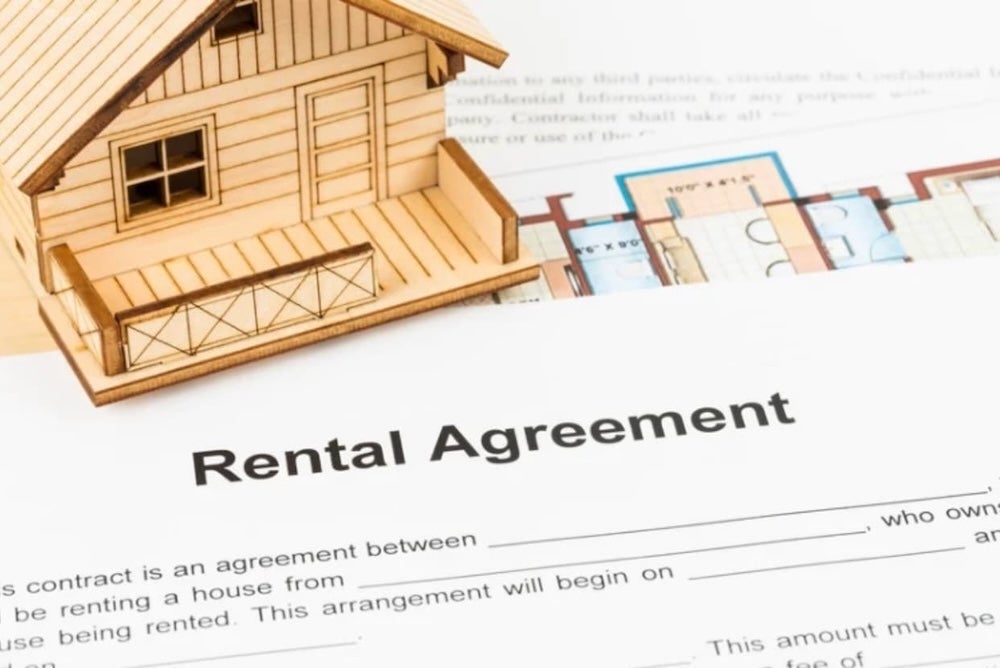
2. Check the Lease Agreement
It should spell out:
- Which utilities (if any) are covered by rent
- Which are billed directly to you
- Whether there are flat-rate fees (e.g., $50/month for water) or usage caps for shared utilities
Ask the landlord to clarify any vague clauses in writing before you sign.
3. Ask the Landlord or Property Manager
If you're still uncertain after reading the agreement, have a quick conversation with the landlord or property manager. Ask questions like:
- “Are water, sewer, and trash included in rent?”
- “Am I responsible for gas or electricity?”
- “Is there a usage limit or separate meter for utilities?”
The answer should be transparent. If they don't give you a clear response right away, wait till they confirm the details in writing before signing the lease, and ensure that it reflects their response.
4. Talk to Current or Past Tenants (If Possible) & Check Utility Meters
Present or previous tenants can tell you what's actually billed separately. If you're moving to a new city, you can also ask whether utility costs are reasonable for the building type and location. Also, check whether your unit has its own electric, gas, or water meters. Individual meters usually mean you'll pay for those utilities yourself.
Pros and Cons of Rental Agreements That Include Utilities
As you search for a new apartment, one question to ask potential landlords is whether utilities are included in the rent. A “yes” means you need to weigh these upsides and drawbacks.
Pros
- Single Payments: You don't juggle multiple bills or due dates. It's much easier to predict your total housing costs because you pay only one flat fee every month.
- Convenience: Not having to deal with several utility companies is always a win, especially for short-term renters or students.
- No Surprise Bills: When utilities are built into the rent, you escape seasonal spikes in heating, cooling, or water costs.
- Easier Move-In and Move-Out: Utilities are already set up when you arrive and automatically handled when you leave. You're not arranging account transfers or paying deposits.
Cons
- Higher Rent: Landlords build estimated utility costs into the rent. They might charge more money for these services than you might spend if you pay separately.
- No Control Over Service Providers: You can't choose your own electricity, internet, or gas supplier, so you're stuck with whatever plan the landlord selected.
- Shared Costs Can Be Unfair: One tenant's excess consumption can drive up costs for everyone, including you.
- Fair-Use Policies: Many “all-inclusive” rentals fix caps on utility usage. You have to pay out of pocket for anything beyond that limit.

[Image by DragonImages on Canva.]
What to Do if Utilities Aren't Included in Rent
Here's how to set up utilities and manage payments yourself.
- Find Out Which Utilities You Need to Activate: Your landlord (or, if applicable, the property management company) can tell you which utilities you're responsible for. If you're new to the area, ask them or your neighbors for supplier recommendations.
- Calculate Average Costs: Before you move in, ask your landlord or previous tenants for average monthly utility totals. Another option is to call various utility providers for historical usage data linked to the property address. This information helps you budget accurately.
- Contact Providers: About two weeks before your move-in date, call or message your preferred utility companies to inform them about your intention to open a new account for your address.
- Schedule Essential Services Ahead: You don't want to find your apartment cold and dark. To avoid this, plan for your electricity and gas supply to be resumed a day or two before you arrive.
- Book Appointments with Internet Providers Early: Slots fill up quickly around the start of each month. Arrange for your broadband connection or data line to be activated as soon as possible.
- Track Due Dates and Automate Payments: Set up auto-pay through your bank or each utility provider's website. Missing a utility payment can lead to service interruptions, and you may be charged fees for reconnections.
- Keep Proper Records: Remember all account numbers and logins, and also keep receipts somewhere safe. You'll need these to close accounts or request deposit refunds when you're moving out.
Frequently Asked Questions
What does “utilities included” mean?
When the property manager or rental agreement says utilities are “included,” it means the landlord covers some or all of the utility bills and factors those costs into the total rent. However, there's no universal rule. Some landlords prefer to collect their rent and allow tenants to handle bills separately, so everyone pays for what they use.
Does a rent estimate include utilities?
A rent estimate may or may not include utilities, depending on the source. An online calculator or a market survey will most likely tell you only the approximate market value of a rental, excluding the cost of utilities. On the other hand, estimates from real people like your landlord and prospective roommates may have utilities factored in. Either way, it's best to confirm if utilities are included in the rent upfront.
Does base rent include utilities?
No, base rent doesn't include utilities. It's just the amount you pay for the space itself. If utilities are part of the rental cost, then what you're giving the landlord isn't your base rent. It's your gross rent (your base rent plus the price of utilities).
Can you ask for utilities to be included in rent?
While negotiating your lease, you can ask the landlord to add utility expenses to your rent. They might raise the amount slightly to cover those costs. Ensure the lease clearly states that they've agreed to include utilities in the rent. That'll make it easier for you to enforce their promise.
Conclusion
Confirm whether utilities are included in the rent for your prospective home and decide if the setup is cost-effective for you. Although having bills included in your rent may be attractive, it's not always cheaper.
Disclaimer - This information is for general informational purposes only and should not be treated as legal advice. We recommend you consult an experienced Landlord Tenant attorney if you require legal advice.