
What a Landlord Cannot do in Pennsylvania (A Tenant's Guide)

Photo by Karole G on Canva
Pennsylvania is considered one of the best places to live in the United States, and it's possible you've heard this, too. Compared to neighboring states, it offers a more affordable cost of living while still providing diverse job opportunities across industries like healthcare, education, manufacturing, and tech.
We could go on and on about the many reasons people are moving to this state in masses. If you're drawn to Pennsylvania for its many appeals and considering renting a room or apartment, it's important to understand your rights as a tenant and what your landlord cannot do to you under the states' laws.
What Renters Need to know about Pennsylvania's
Landlord-tenant laws
Landlord-tenant laws exist in every state, and Pennsylvania is no exception. The first thing to know is whether you rent an entire apartment or share a room you found through a platform like SpareRoom, you are fully protected under the law. From the moment you enter a rental agreement, Pennsylvania statutes provide legal safeguards designed to protect every tenant's rights.
The laws we're referencing primarily fall under the Pennsylvania Landlord-Tenant Act of 1951, which was enacted to ensure a fair and balanced rental experience for all tenants. It also covers every essential aspect of your living arrangements, like lease agreements and legal obligations, security deposits, tenant privacy, evictions, and so much more. Let's look into how these translate, especially regarding what your landlord can or cannot do to you as a tenant or roommate.
What a Landlord Cannot Do: Pennsylvania Edition

Photo by Jakub Zerdzicki on Canva
Discrimination Against Tenants
Pennsylvania is an equal rights state, and as such, no landlord or homeowner is allowed to discriminate against you in any part of the rental process. This particular right is protected both by the Federal and state governments.
This means that under federal law (the Fair Housing Act), discrimination is prohibited on the basis of color, religion, sex, national origin, disability, and other factors. However, this is just an example - not an exhaustive list. Pennsylvania's Human Relations Act (PHRA) takes this a step further by including age, ancestry, and use of guide/support animals.
Overall, note that your landlord cannot refuse to rent, change the lease term, or enforce rules unfairly against you based on these metrics. If at any point while you're renting a room or an apartment, a landlord claims a rental property is "suddenly unavailable" after learning new information about you, that might be a clear sign of housing discrimination, and you're free to pursue legal actions.
Evict Tenants Without a Court Order
Under Pennsylvania's eviction laws, no homeowner may chase out a tenant without a court order, as self-help evictions are illegal. If they plan to evict you, they must first provide proper written notice (10-30 days, depending on the lease/reason).
In addition, they are required to file a complaint with the Magisterial District Court, attend a hearing, and obtain a writ of possession if the judge rules in their favor. If the homeowner receives this order, they're still required to give you approximately 10 days' reasonable notice to comply with the legal eviction process.
Invasion of Privacy or Unlawful Entry
Once lease agreements have been signed, your landlord or property owner has no right to enter your apartment or room anytime they please. They're expected to provide adequate notice (at least 24 hours) with a valid reason for the entry.
The only case where they're allowed entry without notice is in emergencies. Emergencies could constitute a fire outbreak, a serious leak, or another exception.
Ignoring Necessary Repairs and Safety Issues
State laws dictate that certain conditions must be maintained to keep the rental property habitable. A huge part of this includes routine repairs and safety measures. Your landlord is expected to provide these basic needs as long as you pay rent and have an ongoing agreement.
If you notify your Pennsylvania landlord about necessary repairs and they fail to respond, especially in emergency situations, you may take legal action. In some cases, unresolved emergency issues after a reasonable period (typically 24 hours) may allow tenants to take action, including arranging repairs, deducting the cost from rent, withholding rent, or pursuing legal remedies.
However, it's important to document all communications and follow Pennsylvania's legal procedures before you take any of these steps.
Security Deposit
The laws around security deposits are clearly stated in Pennsylvania's landlord and tenant act. The first is that your landlord may charge a maximum security deposit equal to two months' rent in the first year. From the second year onward, this is capped at one month's rent. While the deposit can be adjusted if rent increases, once you have lived in the property for five years or more, the landlord can no longer raise the security deposit, even if the rent goes up.
Cases of your landlord mishandling the security deposit are also highly prohibited. They're expected to return the deposit (or itemized deduction) within 30 days of move-out. If your landlord fails to do so, let them know they may be subject to the legal costs and penalties.
Retaliation Against Speaking Up
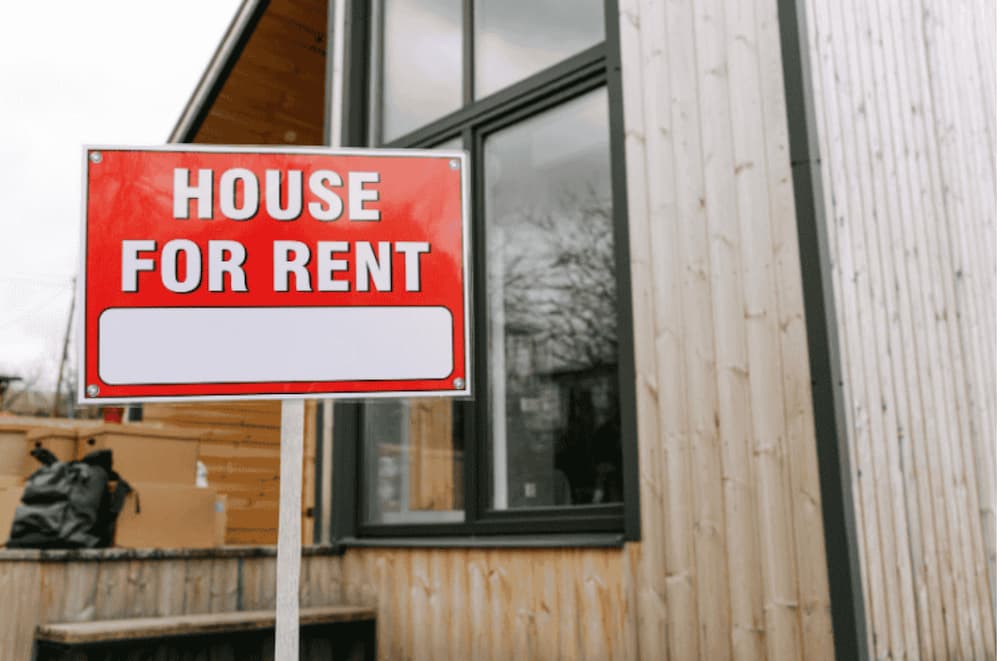
Photo by Ivan S on Canva
We've established that you have the right to ask for repairs or report unsafe conditions in your apartment. Your rights also extend to how the landlord should respond to these reports. A landlord cannot retaliate or punish you for speaking up by:
- Raising rent suddenly
- Cutting services
- Threatening eviction
- Filing an eviction shortly after a complaint
If any other adverse action occurs after you exercise your rights, Pennsylvania law may see it as retaliation. If the landlord refuses to address these issues, you may pursue legal action.
Rent Increase Without Proper Notice
Pennsylvania landlord-tenant laws do not have state-level rent control, so landlords typically have the right to increase fees on their personal property. However, if your landlord decides to raise the rent, they must do so in accordance with the established rules. The first requirement is written notice. Month-to-month lease agreements should include at least 30 days' written notice, and leases longer than a year often require at least 60 days' written notice delivered to your doorstep.
If you receive improper notice, or none at all, you can continue paying rent, but stick with the previous amount until you receive proper notice. It's also advised that you refrain from paying the new rent to avoid appearing to have accepted it. Your landlord can fix this by simply issuing the right notice, so the increase takes effect after that period ends.
Breaking a Lease Early
Just as you can't walk away for no reason, property owners cannot terminate a lease unless the law or the lease itself permits it. They cannot break the rental agreements just because:
- They want to sell a property
- Found a tenant willing to pay higher rent
- Changed their mind about the rental unit
- Or the tenant complained about repairs and code violations
That said, some landlord rights also apply to lease termination. There are a few situations in which your landlord in Pennsylvania may legally terminate a lease before it expires. This includes a situation where:
- There is a serious lease violation and unpaid rent over a long period
- Refusal to leave after a lawful eviction
- The lease contains an early termination clause
- The property becomes uninhabitable through no fault of the homeowner
What to Do in Pennsylvania If Your Landlord Violates Your Rights

Photo by 89Stocker on Canva
Once you understand what your landlord or property manager is legally required to provide, it becomes much easier to recognize when your rights have been violated. In these situations, it's important to remember two key things: you're not powerless, but you should never take matters into your own hands. Pennsylvania law offers clear legal remedies for tenants' rights, and following the proper steps can help protect you while strengthening your case. Here are some recommended steps to take:
- Document Everything: Documentation is your strongest protection because it gives you an edge if you decide to pursue legal action. Having documentation helps you present evidence to support every claim. Some helpful items to collect include photos or videos of damage or harassment, and copies of repair requests, emails, or text messages.
- Notify your Landlord in Writing: Even if you've had conversations about issues, it's important to follow up in writing to secure hard evidence. In most cases, you'd need a written notice before taking further legal steps.
- Contact Local Housing or Code Enforcement: In Pennsylvania, local housing and code enforcement are typically handled by your Borough, Township, or City government. For help or to report a problem, visit your local website. If you're in a big city living with a roommate in Philadelphia or Pittsburgh, call 311. In other cases, use resources such as PA 211 for general housing assistance.
- Seek Legal Help: If the violation persists, consider consulting legal counsel. Reach out to legal aid offices or housing attorneys who are familiar with Pennsylvania's landlord-tenant laws.
Knowing Your Rights is the First Line of Action
Understanding your legal rights as a tenant makes it much easier to identify when something isn't right and to respond in a way that protects you legally. If you ever find yourself unsure, you can revisit some of the points we've highlighted in this piece. For better clarity and context, feel free to review Pennsylvania's landlord and tenant act in detail
Disclaimer - This information is for general informational purposes only and should not be treated as legal advice. We recommend you consult an experienced Landlord Tenant attorney if you require legal advice.