
Can I Rent an Apartment with a 540 Credit Score? Yes, & Here's How
[Photo by nzphotonz from Getty Images Signature on Canva.]
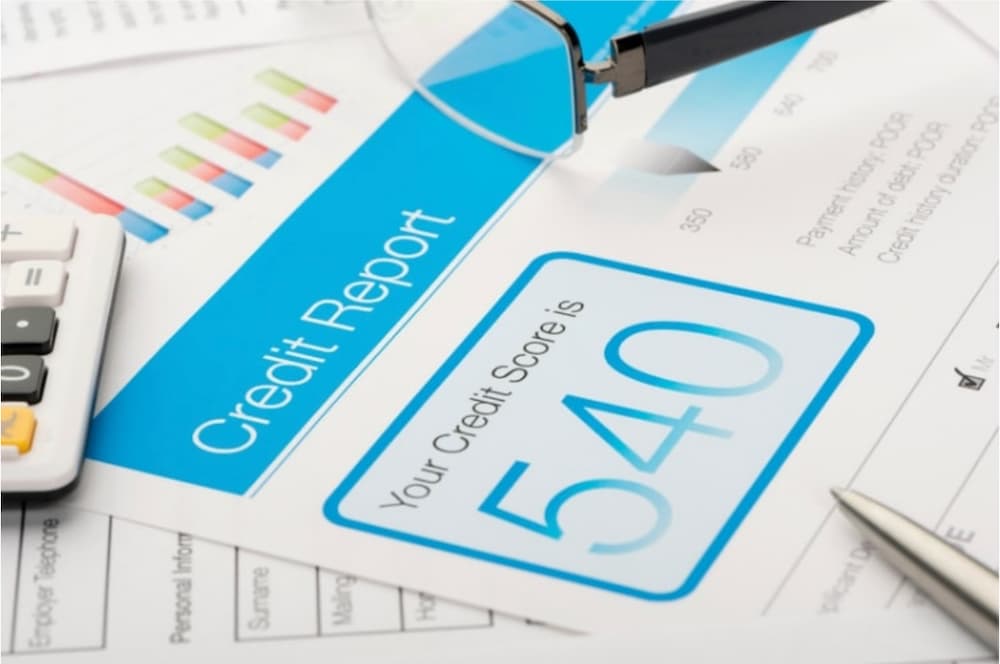
If you have a low score (like 540), you may be worried about your prospects. As you scroll through listings and save a few to view later, one question might keep coming back: Can I rent an apartment with a 540 credit score?
We'll be honest with you: renting an apartment with a 540 credit score is not easy. However, having a low score doesn't mean you can't find a new place to live. You just need a smarter plan.
[Photo by courtneyk from Getty Images Signature on Canva.]
Why Is Renting an Apartment with a 540 Credit Score Difficult?
When potential landlords review your rental application, they're basically calculating how risky it would be for them to rent to you. They're looking for assurance that you'll take good care of the rental property and pay your monthly rent on time.
Since they may not have a personal relationship with you, they rely entirely on available data, as far as fair housing laws allow, to make a decision.
How Landlords Check Credit Scores
When you sign a permission form for a credit check, the landlord or agent requests a credit report from one of the three major credit bureaus: Equifax, Experian, or TransUnion.
These bureaus collect data on your financial behavior over the last seven to ten years. They track every car loan, credit card, student loan, and utility bill attached to you. Using this information, they put together your credit history. With that history, they work out your credit score or FICO score.
When crunching the numbers, they pay attention to:
- Late payments
- Loan defaults
- High debt-to-income ratios
- Collections or bankruptcies
Most landlords check your credit score because that's the standard way to gauge whether a person will pay their bills on time.
What a 540 Credit Score Signals
A 540 score is technically categorized as poor credit or bad credit. If your score falls into the 540 range, it suggests that you've struggled to manage financial obligations in the past. Landlords and property managers assume that there's a higher risk of you missing rent payments. As a result, you might struggle to rent an apartment in competitive markets where many applicants have strong credit and a spotless payment history.
That being said, there's a difference between how large property management companies and independent landlords screen applicants. Large companies often use software that filters applicants automatically based on strict credit score requirements. If the minimum credit score for the building is 600 and you have a 540, the software will automatically disqualify you.
On the other hand, independent landlords, subletters, and current tenants seeking roommates are usually more open to considering the full picture, not just your credit score. A person looking to fill a spare room is less concerned with what Experian thinks of your student loans and more concerned with whether you are trustworthy and can actually afford the rent.
How to Rent an Apartment with a 540 Credit Score (or Lower)
If you have a bad score and you're trying to find places to rent in Baltimore, Austin, or literally any US city, you can't just fill out an application and hope for the best. Here's how to rent an apartment when the odds seem stacked against you.
[Photo by Hailshadow from Getty Images Signature on Canva.]
1. Check Your Credit Score Before Applying
Never let a landlord or potential roommate tell you your score before you know it yourself. You need to know exactly what they're going to see.
Most landlords will run a hard inquiry, but you can check your own status using free services or through your bank without hurting your score. Look at the specific details. Is your score 540 because of a single catastrophic event five years ago, or is it due to a string of recent late payments?
Sometimes, credit bureaus make mistakes. A study by the FTC found that one in five people had an error on at least one of their credit reports. If you find an error, like a debt you already paid off that is still showing as outstanding, dispute it immediately. Getting that removed could bump you up to a slightly strong credit score range and improve your approval odds.
Knowing your report also helps you identify your strengths. If you've always paid rent early but your credit is bad due to medical debt, that's something to note.
2. Explain Why Your Credit Score Is Low
Honesty is the most important factor here. When viewing a room or meeting a potential roommate, have a "credit resume" ready. Explain what circumstances contributed to your score. Did you go through a divorce? Did you lose a job during the pandemic? Did you have a medical emergency?
Many landlords and roommates are empathetic. If you say, “My credit score is 540 because I had a medical issue three years ago, but I have paid every bill on time for the last 24 months,” they'll likely place less weight on your bad credit score.
3. Provide Proof of Ability to Pay Your Rent
If your credit history is shaky, you must prove your income stability. Landlords want to know that, regardless of your past debts, you can consistently pay your rent.
To show that your monthly income easily covers the rent, over-prepare your documentation. Bring pay stubs (at least three months' worth), bank statements, and an employment verification letter. If you're a freelancer or gig worker, prepare a summary of your earnings over the last year.
Ideally, your rent should be no more than 30% of your gross income. If you can show a healthy checking account balance and a steady flow of incoming cash, it helps dial down the fear caused by your credit report.
4. Offer a Higher Deposit or Advance Rent Upfront
Propose a larger security deposit, perhaps two months or even three if you can afford it. This shows you have cash on hand and can tip the scales in your favor if a landlord is hesitant because of your credit situation.
Alternatively, offer to pay a few months' rent in advance. If you can hand over the first and last month's rent plus a larger deposit, you're reducing the landlord's risk by a mile.
5. Prioritize Living With Roommates or Independent Landlords
As a renter with a low score, stop applying to corporate-managed complexes and start looking for individual landlords or current tenants who need a roommate. Thousands of landlords and tenants post their listings on platforms such as SpareRoom, so that's a great place to start your search.
Renting a Room or Living With Roommates
When you rent an apartment with a roommate, you're often joining an existing lease or signing a sublease agreement with the current tenant (the master tenant). They're usually responsible for paying the full rent to the property owner, so they are the ones choosing who moves in.
They care much less about a 540 credit score and much more about whether you're a respectful person who won't eat their food or blast music at 3 AM. Just make sure to negotiate rent that's within your means and backed by proof.
At SpareRoom, we have rooms for rent in a range of popular cities, such as New York, Miami, Chicago, or anywhere else across the US. You can also find roommates in Boston, Washington DC, Atlanta, or any other city.
Renting from an Independent Landlord
These landlords typically focus more on other factors, such as your rental history, your criminal history, and whether you were evicted by previous landlords for missed payments. If everything else is satisfactory and you earn a stable income, they'll often skip the formal credit check entirely or overlook a low credit score.
6. Get a Guarantor If You Need To
If you can't sway a landlord with your bank statements, you may need a co-signer or guarantor.
A guarantor is a third party, usually a family member or close friend, who has good credit and agrees to take on the financial responsibility if you fail to pay. They sign the lease alongside you.
Please keep in mind that asking someone to be your guarantor is a big deal. If you stop making rent payments, the landlord will go after your guarantor for the money, which can damage their strong credit score and ruin your relationship with them. If you go this route, explain the risks to your guarantor and be 100% certain you can make on-time payments to protect them.

[Photo by wiredsmartio from pixabay on Canva.]
Safety Tips for Finding An Apartment with a Low Credit Score
Searching for an apartment while you have a low credit score can put you in a unique position. On the one hand, your goal is to find a landlord or roommate with the least strict credit requirements. On the flip side, you might be easily drawn to red-flag offers that you'd ordinarily walk away from.
Try to Have as Few Hard Credit Checks as Possible
Every time someone checks your credit formally, it can trigger what's called a hard inquiry. To a credit bureau, a hard inquiry is a sign that you're about to take on huge debts or loans.
If there are too many of these inquiries on your credit history within a short period, they can actually make your score fall even further. To protect your current score, ask the landlord what their minimum credit score requirement is before agreeing to a credit check. If they only accept 650+ and you have just 540, tell them your score upfront instead of letting them run the check or offer to show them the credit report you pulled yourself.
Don't Fall for Scams
Scammers target renters with low credit scores, so watch out for these warning signs.
- “No Credit Check” Listings: Be extremely wary of a listing that explicitly assures you that the landlord doesn't check credit scores. Scammers use this as bait to lure in people with bad credit.
- Payment Before Inspection: Never, ever pay a security deposit or the first month's rent before you have physically walked through the rental property and met the landlord or current roommates. Scammers often steal photos from real estate sites and charge rent for houses they don't even own.
- Wire Transfer Red Flags: If a potential landlord asks you to pay via wire transfer, crypto, or a payment app (like Zelle or CashApp) before you've signed a rental application or seen the place, walk away.
Frequently Asked Questions
What is a good credit score to rent an apartment?
When looking for an apartment to rent, it's best to have a FICO score of 650 or higher. A score of 700 or above is very good, and it allows you to negotiate lower security deposits or better lease terms.
What can a 540 credit score get you?
With a 540 credit score, you can get accommodation from private landlords or roommates, or by joining an existing lease. It helps if you don't have an eviction history and are ready to pay a larger security deposit.
Can I get a lease with a 500 credit score?
Yes, but you have to change your strategy entirely. At 500, your credit report likely shows significant payment issues, loan defaults, or high debt.
To secure a lease with a 500 score, you generally need one or more of these three:
- A guarantor with a strong credit score
- An independent landlord or roommate who's willing to prioritize your ability to pay rent over your credit score
- An offer to pay 3 to 6 months' rent in advance.
Conclusion
While credit scores are a way to assess your suitability as a tenant or roommate, a low credit score doesn't mean you can never get an apartment. To improve your odds, reach out to independent landlords and private tenants who're looking for roommates on trusted sites such as SpareRoom. Explain your situation honestly from the get-go, show that you can afford the rent, and offer a higher deposit.
Most people aren't looking for a perfect score. They just want a perfect roommate. Being proactive and transparent is the best way to prove you're exactly that.
Disclaimer - This information is for general informational purposes only and should not be treated as legal advice. We recommend you consult an experienced Landlord Tenant attorney if you require legal advice.
Reference
- Federal Trade Commission. (2013, February 11). In FTC study, five percent of consumers had errors on their credit reports that could result in less favorable terms for loans.