
Writing a 30 Day Notice to Landlords: Essential Guide

[Photo by JodiJacobson from Getty Images Signature on Canva.]
Note: This article focuses on leases that require 30 days' notice. While 30 days' notice is common, some leases require 60 days or more. Always review your lease agreement to confirm the exact notice period that applies to you.
If you're renting a room or sharing a home, there's a good chance you'll eventually need to move on. Maybe you got a new job in a different city, or maybe your living situation just isn't working out. Whatever the reason, one thing you can't skip is giving your landlord a proper 30-day notice. Giving enough notice helps you comply with legal and lease requirements. It helps you avoid fees, stress, and messy security deposit disputes.
This article explains everything you need to know about giving your landlord a 30-day notice if you're in a roommate setup.
Key Takeaways
- You must provide written notice of your intent to move out of your rental unit or room, typically 30 days in advance.
- Always check your lease agreement first, as it may include special conditions or longer notice periods.
- Include the important facts in your written notice: your move-out date, your name, the rental address, and a forwarding address.
- Keep a copy of the notice and send it in a trackable way if possible.
[Photo by Artful Homes from Pexels on Canva.]
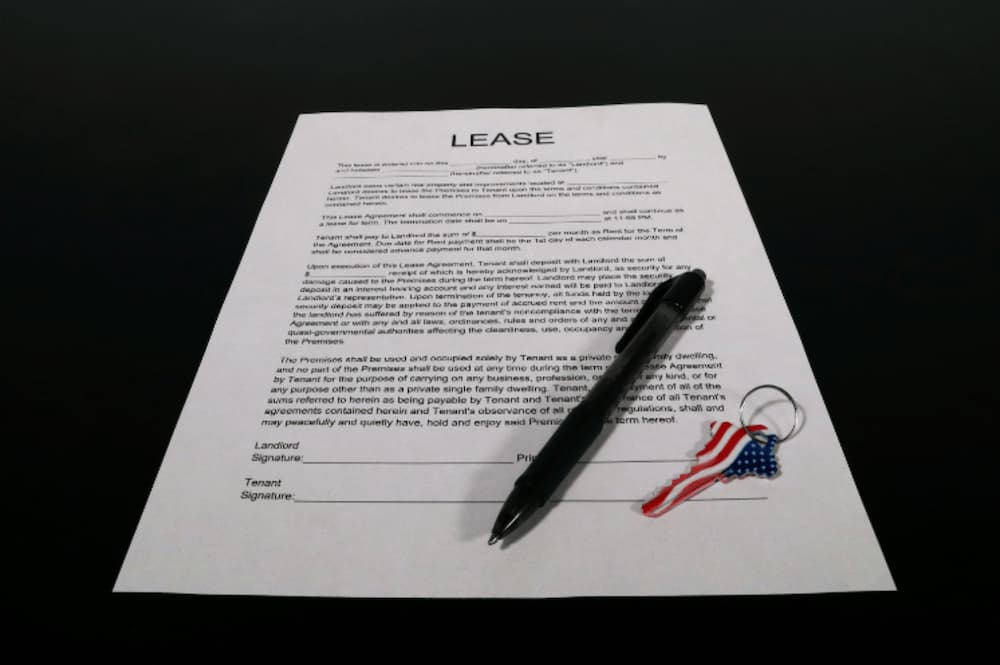
Understanding Your Lease Agreement
Before writing anything, find your lease agreement to check how much notice you need to give. Most leases require 30 days' notice, but that's not always the case. In California, for example, tenants need to give 60 days' notice.
Don't skip this step. Understanding your rental agreement is key to avoiding penalties.
Fixed-Term vs. Month-to-Month Lease
If your rental agreement is fixed-term, check when the lease expires. The notice period may depend on the exact end date of the lease term.
For a month-to-month lease, 30 days is common. That said, local or state laws may require a different notice period, so always check both your lease and the laws in your area. Month-to-month agreements offer flexibility, but you still need to follow proper notice rules to avoid penalties.
Early Termination Clauses
Some leases charge fees if you break the terms early. Others may require a forwarding address or specific notice formatting. Also, watch for any clauses that explain penalties, cleaning rules for the rental unit, or move-out inspection times.
Automatic Renewal Clauses
Some leases automatically renew if you don't give written notice before the rental period ends. Avoid getting locked into another term by mistake.
If you need to give notice because you're relocating, read our article on Moving to a New City.
How a 30 Day Notice to Landlord Works
Once you know how much notice you need to give, calculate your exact move-out date. It should be a certain number of days, usually 30 days, from when your landlord gets your notice. It is not from when you intend to leave.

[Photo by sturti from Getty Images Signature on Canva.]
If you're the one moving out, now's the perfect time to help your housemates avoid an empty room. Share your move-out date early. If they need a new roommate, send them to our roommate finders in Atlanta, Dallas, Philadelphia, or Seattle to find someone.
Last Month's Rent
Giving notice doesn't automatically cancel your final rent payment. You're still responsible for paying rent through the end of your notice period.
Some landlords collect the first and last month's rent upfront when you move in. If you already paid your last month in advance, you won't need to pay it again. If not, you'll need to pay rent as usual during your final month, or a prorated amount if your landlord allows it (more on this in the next section).
Keep in mind that last month's rent and a security deposit are not the same thing. A security deposit covers potential damages, while last month's rent covers your final rental period. Review your lease to confirm what you paid at move-in.
Prorated Rent
If you're moving out mid-month, ask if your rent can be prorated. Not all landlords offer this, but some do. For example, if you're leaving on the 20th of the month, you may only need to pay for those 20 days instead of the full month.
Security Deposit Conditions
The way you leave the apartment and when you give notice can impact your deposit return. Give the landlord your forwarding address after the lease term ends to ensure your security deposit is returned.
Writing a Formal Notice
This is your official heads-up to your landlord. A formal written notice to vacate should be polite and professional. Here's what to include:
- The date at the top of the letter
- Title the notice as a '30 day notice to vacate' or specify the required notice period to vacate
- Your name
- The address of the rental unit
- Your intended move-out date
- Your forwarding address (for the security deposit)
- Contact info in case the landlord needs to reach you
Start your letter with a formal greeting such as “Dear [Landlord/Property Manager],"
Pro tip: Use an approved landlord template or notice to vacate form, if they have one. If not, there are plenty online that you can adapt. Try to avoid emotional language or unnecessary details; stick to the facts and keep things courteous.
Deliver a paper copy of the notice by mail or hand it over in person for proof. Always keep proof of delivery, such as a paper copy or certified mail receipt, for your records. Think about sending it by certified mail or email with a read receipt, just in case there's a dispute later. If your landlord has an online portal, some even accept notice submissions there.
End your letter by inviting the landlord to contact you for further information if needed.

[Photo by shisuka on Canva.]
Special Considerations
Some situations call for different rules that exempt the 30 day notice to vacate:
Domestic Violence Survivors
You may request early termination of your lease in writing, without penalty, if you're a domestic violence survivor. Local laws usually protect your right to leave safely. You might need documentation, so contact a legal resource or support organization for guidance.
Military Personnel
The Servicemembers Civil Relief Act (SCRA) offers protections if you are moving because of a permanent change of station. Typically, a copy of your official orders is enough to terminate the lease.
Live-In Landlords or Property Managers
If you're renting a room in your landlord's home, the rules might be more flexible, but you should still give proper notice. In some states, shared housing arrangements have different rules regarding notice periods and tenant rights.
Still looking for your next place to call home? We have rooms and roommates waiting in the top cities. Find your next room in Atlanta, Dallas, Philadelphia, or Seattle.

[Photo by sturti from Getty Images Signature on Canva.]
Giving Notice and What Comes Next
After you give your 30-day notice, it's time to get ready for your move.
- Schedule a Move-Out Inspection: This gives you a chance to fix any damage before the landlord deducts from your deposit. Try to do a walkthrough with your landlord a few days before you intend to leave.
- Clean Thoroughly: Return the place in good condition to avoid charges. Pay attention to the areas behind appliances and inside cabinets.
- Provide a Forwarding Mailing Address: Give your landlord your new mailing address for your security deposit. Providing your new address helps ensure you receive your deposit and any final communications from your landlord.
- Return the Keys: Don't forget this step! It marks the end of your tenancy. Ask for a written confirmation that the landlord received them.
- Document Everything: Take notes and photos with dates. Record the cleaned unit, any repairs you made, and the condition of shared spaces. It helps protect you if disputes arise later.
- Give Proper Notice: Giving proper notice allows your landlord time to find a new tenant to fill the vacancy.
Final Thoughts
Giving a 30-day notice to the landlord doesn't have to be stressful. In fact, it's one of the best ways to leave on good terms and protect your security deposit. Be clear, timely, and respectful in your notice. And always review your lease first.
Disclaimer - This information is for general informational purposes only and should not be treated as legal advice. We recommend you consult an experienced Landlord Tenant attorney if you require legal advice.
Reference List & Further Reading
- U.S. Department of Housing and Urban Development (HUD). “Tenant Rights and Responsibilities.”
- Servicemembers Civil Relief Act (SCRA), U.S. Department of Justice.
- Nolo Press. “Breaking a Lease Early.”
- Legal Information Institute, Cornell Law School. “Landlord-Tenant Law.”
- State and Local Government Housing Authority Websites (varies by region).
- SpareRoom Statistics - www.spareroom.com/statistics
- American Bar Association - Landlord and Tenant Law Overview.
- Local tenant advocacy groups and housing non-profits for region-specific regulations
- Sample Residential Lease Agreements from standard U.S. property management firms