
An Essential Guide to Understanding Landlord Roles and Responsibilities

[Photo by Shisuka from Canva.]
Becoming a landlord is a bit like opening your door to possibilities. It's a mix of responsibilities, opportunities, and an exciting chapter where you open your space for tenants to rent.
Once that door opens, you take on the role of a host, manager, and sometimes even a problem solver. Because of this, it's absolutely important to know your rights and responsibilities if you want your rental business to thrive.
In this guide, we detail everything you need to know about being a landlord, whether you're planning to rent out a whole property or just a room in your home. We'll start with key definitions, then break down how to become a landlord, the associated roles and responsibilities, the best ways to find tenants or roommates (on SpareRoom, of course), and your landlord rights.
[Photo by Devonyu from Canva.]
Definitions of the Term “Landlord”
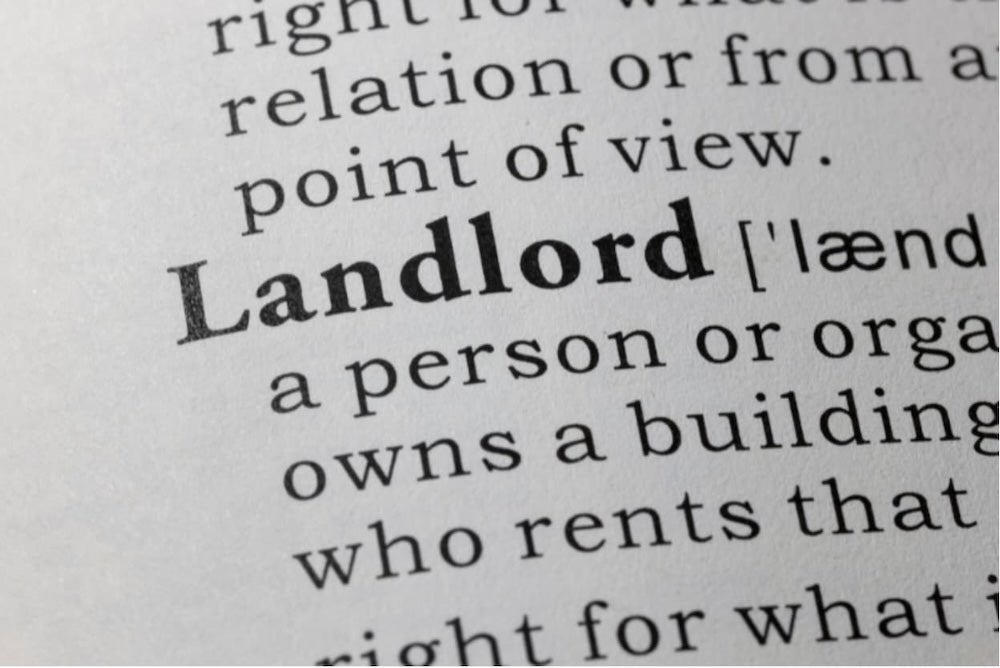
A landlord is generally the owner of a house or apartment who rents it to another person, called a tenant, in exchange for rent. The broader definition of the term “landlord” can include small real estate companies with multiple buildings, both rental and commercial, as well as single-family homeowners who rent out an individual apartment or a room in their home.
The rental process is usually (but not always) governed by a lease, which is a legally binding contract that outlines the conditions of the tenancy, including rent, duration, and other obligations. It's worth noting that not all types of landlords require a written lease. For example, in many states, homeowners who rent out a room in their house won't need a formal lease.
There are two types of leases:
- Written Lease - A written document that outlines the terms of renting a property.
- Oral Lease - A verbal agreement typically used for short-term durations of a year or less (with some state exceptions). Oral leases can be harder to prove in disputes. They're commonly used for roommate arrangements, and the lease becomes valid when a homeowner accepts money from their roommate.
Regardless of type, all landlords share the same wish: to find compatible tenants who respect their property, and to make money in the long run.
SpareRoom's Definition: The Resident or Live-In Landlord
If a homeowner rents out one of their home's rooms, they're typically referred to as a "live-in landlord." This term distinguishes them from the larger property management companies or landlords who own multiple rental properties.
A live-in landlord rents out a room or portion of their home, usually while living in the same house. This arrangement creates a unique dynamic, with shared space where the landlord and tenant reside together. Your primary goal, as the live-in landlord, is to earn rental income and find a compatible roommate.
Unlike typical rental situations, where the landlord sees less of the tenants, live-in landlords have to establish boundaries and maintain good relationships with the people they're sharing their living space with. As such, compatibility and respect for each other's privacy are important. In the US, a person who pays to use a room belonging to a resident landlord is generally referred to as a "roommate." The arrangement is informal, and the tenant typically shares common living spaces like the kitchen, bathroom, and sitting room.
Since, in most states, a live-in landlord is not required to provide a written lease, it's important to find a trusted roommate. At SpareRoom, we know you need to choose the right person to rent your place. You need a compatible housemate who can pay rent and respect your home and lifestyle. Our guide on questions to ask potential roommates will help you gauge compatibility and find the right person for you.

[Photo by Sturti from Canva.]
How to Become a Live-In Landlord
Before renting out your spare room, there are some important things live-in landlords must do first to prepare for managing their property effectively. Here's how to become a successful landlord:
- Learn About the Live-In Landlord Model: If you're renting out part of your house but still living there, you can generate rental income without forfeiting ownership and control of the home.
- Review Local Housing Laws and Zoning Regulations: Different features in urban development affect zoning regulations. Before renting out a space in your house, verify that you conform to local zoning laws, along with building codes. There are places where the law forbids leasing spaces on your property, especially if this means you have to make changes like creating independent entries or bathrooms that may violate building codes.
- Set Up Your Space: Regardless of what you'll be renting, make the space comfortable, private, and functional. This can include furnishing the space, updating the amenities, and making sure it's safe and livable.
- Set Clear Expectations and Boundaries: Since you'll be living in close quarters with your tenant, having clear expectations and boundaries is important. You need to discuss common spaces, cleanliness, noise level, and privacy expectations. A written agreement will help you negotiate and avoid future miscommunications.
- Screen Roommates Carefully: If you'll be living together, it's important to screen tenants to ensure they're a good fit. This can involve background checks, credit checks, as well as interviews to gauge how reliable and compatible they are.
- Determine Rent and Expenses: Decide how much rent you'll charge based on the market rates for similar spaces in your area. Be sure to account for utilities, maintenance, and any additional costs (like renters' insurance or property taxes) when setting the rent price.
- Understand Your Rights and Responsibilities: Familiarize yourself with landlord-tenant laws that apply to live-in landlords. While you enjoy some protections, there are also laws about eviction, rent increases, and tenants' privacy that you need to follow.
- Draw Up a Lease Agreement: Even as a live-in landlord, it's still a good idea to have a legitimate lease agreement. This will protect both you and your tenant by defining rental conditions, payment terms, and other important details, like policies on guests, smoking, and pets.
- Maintain Your Home and Tenant Relationship: As a live-in landlord, it's a matter of balancing your personal life with your duties as a landlord. Respect your tenant's privacy, keep the property in top shape, and take care of any problems that come up quickly to build a good living relationship.
- Prepare for Tax Implications: Depending on your case, you might be able to claim some expenses related to the rented portion of your house, such as repairs, bills, and interest on your mortgage. Keep track of your income and expenses and consult a tax expert to ensure that you're doing it correctly under tax laws.
Read our comprehensive guide on how to become a landlord here.
Understanding the Law: A Brief Overview to Help Landlords
One of the very first things that you need to learn as a landlord is the law. Landlord-tenant relationships are governed by laws that protect both parties. These housing laws vary from region to region. Always check with the housing authority in your area to ensure you're aware of the laws you must abide by.
Some of the national key legal factors to consider are:
- Fair Housing Laws: These housing laws prohibit discrimination based on race, color, national origin, religion, sex, familial status, or disability. With Live-In Landlords, under the "Mrs. Murphy Exemption,” you may be exempt from many FHA requirements regarding tenant selection. You can legally choose a roommate based on gender or religion.
- Local Laws: Based on where you live, there may be zoning rules, rent control laws, home owners association (HOA) rules, or neighborhood room rental regulations on how you can rent out your property. It helps to get familiar with these housing rules to avoid any potential legal issues during your tenancy, regardless of whether you're a live-out or live-in landlord.
Review our guide on landlord-tenant law to familiarize yourself with housing regulations in greater detail.
Financial and Insurance Setup
Aside from being aware of the legal housing conditions, it's necessary to discuss the financial and insurance arrangements of your business:
- Mortgage: If you have a mortgage on the property, make sure you notify your lender and let them know you plan to rent part or all of your property. You risk violating your mortgage agreement if you don't.
- Insurance: If you're a live-in landlord, you can generally keep a Homeowners Policy. Live-out landlords must switch to a Landlord Policy (DP-3), which is typically 25% more expensive than a homeowner policy.
- Taxes: Rental income is taxable. However, landlords can claim some tax deductions like maintenance costs on the property, repairs, and utilities. You should be aware of these deductions and how to report rental income. For live-in landlords, you must prorate your expenses. If the renter's bedroom is 200 sq. ft. of your 1,000 sq. ft. home, you can only deduct 20% of the shared utilities, roof repairs, or mortgage interest as a business expense. For this, we recommend seeking professional legal advice.
- Setting Rent: Research the local rental rates to set your property at a reasonable cost. The right amount enables you to gain the highest profit while remaining attractive to renters. In many jurisdictions, "owner-occupied" homes are exempt from local rent control ordinances, giving you more freedom to raise the price to market rate between roommates.
It's always important to get legal advice from professionals, especially when it comes to tax, as this can differ between live-in and live-out landlords. You need to know the difference.
At SpareRoom, we're here to help you rent out your space easily and to do so legally and profitably. Our guide on how much you can raise rent will answer all your questions and give you clear hiking percentages based on rent control laws.

[Photo by Wutzkoh from Canva.]
Basic Duties of a Landlord
As a landlord, your primary responsibility is to manage and ensure that the property or room you're renting is safe, habitable, and well-maintained. Here are some basic responsibilities of every landlord, and how they might differ based on the type of landlord you are:
1. Duty to Provide and Maintain Habitable Conditions
This is likely the most important legal requirement for landlords and is known as the Implied Warranty of Habitability. It ensures your property is in habitable condition throughout the tenancy. Key duties of this warranty include:
Live-Out Landlords
- Providing a Clean and Safe Property: Make sure your space is clean, sanitary, and free of pests (e.g., vermin, insects) when the tenant or roommate moves in.
- Housing Property Maintenance: Keep the roof, walls, windows, and foundation (if you're a homeowner) in good condition.
- Regular Inspections: Inspect the property regularly to make sure it's in good condition. This will help you identify maintenance problems early on.
- Essential Utilities: Ensure your renters have access to vital utilities, and that they work properly. Some of these utilities include:
- Running hot and cold water
- Adequate heat (especially during winter)
- Safe electrical and plumbing systems
- Make Timely Repairs: Respond to requests for repairs quickly and fix any issues (not caused by tenant misuse) that can affect the comfort of your renters.
- Safety Compliance: Install and keep in good condition safety equipment, such as smoke detectors, carbon monoxide detectors, and secure locks on windows and doors.
Live-In Landlords
In most US states, roommates actually do still get the protections of the Implied Warranty of Habitability. State landlord-tenant laws apply to a room you are renting, regardless of whether you signed a lease, and a residential rental unit must meet the legal standard of habitability, whether the unit is a house, apartment, or a single room in your home.
So for a US live-in landlord, all of the habitability duties on the above live-out landlord list still apply:
- Clean and safe property at move-in
- Structural maintenance
- Essential utilities
- Timely repairs
- Safety equipment
The duties don't disappear just because you live there.
2. Duty to Respect Tenant Rights
Tenants have the right to enjoy their home in peace without unnecessary hassle or interference by the landlord.
Live-Out Landlords
Even though a landlord also has the right to access their property (to view, repair, or exhibit the property to potential tenants), they must give the tenant enough notice before barging in. This right is known as the "right to quiet enjoyment." The duty to respect tenant rights includes:
- Non-Interference: Let the tenant be alone in his/her space without unreasonable disturbance or interference by you or other tenants. This involves avoiding unnecessary or intrusive visits.
- Respect Privacy: You should only access the rental unit for lawful purposes (i.e., repair, inspection, or showing the unit to potential tenants), and must give advance notice before entering, typically 24 to 48 hours. Check your local housing laws so you know how much notice you need to give before visiting the property.
- Emergency Exception: The landlord may enter the unit without notice only in reasonable and actual emergencies, such as a fire or flood.
- Do Not Illegally Evict: Respect rent control laws. If you ever need to evict a tenant, follow the legal process from start to finish. Don't use "self-help" strategies such as changing locks, utility shut-offs, or disposing of the tenant's property. Always follow a proper legal process to evict a tenant.
Live-In Landlords
- Non-Interference: Because a roommate lives in a room in the same house as the owner, the owner can enter common areas and retain overall control over those areas. The roommate doesn't have exclusive possession of the whole property — only of their bedroom.
- The Roommate Has a Right to Privacy in Their Bedroom: Even if a roommate shares common space with the landlord, they still have the right to privacy in their bedroom. A live-in landlord still shouldn't enter the roommate's room without notice or consent, except in emergencies.
- Eviction: Most states require a formal judicial process (an Unlawful Detainer lawsuit) to remove someone, even if they live in your own home.
3. Administrative and Financial Responsibilities
A landlord is essentially the manager of the space or home. Here are some admin and money-related tasks that will help you stay on top of your obligations under the lease agreement:
- Providing Legal Housing Papers: Issue a written lease that clearly outlines the terms of the rental agreement, including the rent amount, due date of payment, duration of the lease, and rights and responsibilities of both parties.
- Handling Security Deposit: The security deposit is often one month's rent, but it can vary in rural and urban developments. According to rental laws, landlords must return the security deposit at the end of the lease term, minus any deductions for property damage beyond normal wear and tear. Laws governing how and when landlords return security deposits vary by jurisdiction.
- Collecting Rent: Have a clear, consistent way of collecting monthly rent. Your rental agreement should specify the amount of rent you plan to receive every month and when to pay. If a tenant pays late, just follow the process set out in your lease to ensure you handle it properly. If you have a tenant who's not paying at all, you can take legal action, for instance, by issuing an eviction order.
- Obey Fair Housing Laws: The Fair Housing Act prohibits discrimination against tenants based on race, color, religion, sex, national origin, family status, or disability. Always treat all the applicants and tenants equally.
- Offer a Proper Notice for Changes: Certain jurisdictions apply a notice limit for any changes that could affect tenancy. Reasonable notice requirements apply for:
- Rent increases
- Non-renewal of the lease
- Intent to sell or undertake other significant alterations to the property
Live-In Landlords
In the US, the administrative "to-do list" looks nearly identical for both types of landlords, but the legal flexibility differs significantly when you live under the same roof. Here are some of the differences:
- Housing Laws: If the home has 4 or fewer units and the owner lives in one, they are exempt from certain parts of the FHA regarding tenant selection. You can legally choose a roommate based on shared interests, religion, or gender (e.g., a woman seeking only female roommates).
- Notice For Changes: In some "Lodger" states (like California), if one roommate is in an owner-occupied home, the notice required to terminate the agreement is simply the same length as the rent payment period (e.g., 7 days' notice for a weekly renter).

[Photo by Fizkes from Canva.]
The Best Way to Find Tenants or Roommates
After preparing your residential property for renting, finding a good tenant is the most crucial thing. Always use trusted online platforms like SpareRoom.
Here at SpareRoom, we offer a simple, effective way of renting out your room. Our user-friendly site connects property owners and landlords with plenty of potential roommates. You can easily post your property, browse tenant profiles, and even narrow down your search based on what's important to you. This way, you'll be certain to move in with the right person.
It only takes a few clicks to post an ad or search for an apartment share, or, if you're on the move, a few taps using our app or mobile site.
Why Landlords Are Turning to SpareRoom:
- Easy-to-Use Site: Our interface is simple and user-friendly, making it easy to list your property and stay in touch with potential tenants.
- Targeted Tenant Pool: We allow you to filter through potential tenants by compatibility, such as lifestyle match, employment status, and interests. That way, you get someone who can pay rent and who's also compatible with you.
- Wide Exposure: With multiple-city listings, we offer broad exposure to potential tenants or roommates. This allows landlords to locate their ideal match quickly. For instance, landlords are already using SpareRoom to post ads for:
- Economical: SpareRoom offers access to free as well as paid listings, making it easy for you to select the most suitable option based on your requirements.
Tenant Screening and Selection
Choosing the right tenant is one of the most critical actions in the landlord-tenant process. A good tenant should pay rent on time, be considerate of the property, and be friendly with other roommates. Below are some major steps involved in screening prospective tenants:
- Background Check: Run a background to see if your potential tenant has a good track record of paying rent on time and following lease terms. This may involve criminal history checks, credit records, and rental histories.
- References: Get references from previous landlords to understand the applicant's conduct and reliability as a tenant.
- Interview: For landlords looking for roommates, an interview will help you assess whether the would-be tenant will suit your lifestyle. Apart from reviewing their financial background, you can find out whether their lifestyle and personality would match well with yours.
The tenant search facility on SpareRoom allows you to browse profiles, filter for suitability, and contact potential tenants directly. For more details on how to get the most suitable tenants to rent your property, check out our guide on the best ways to find tenants.
FAQs
What is the Meaning of "Landlord"?
A landlord is someone who owns property, such as land or a building, and leases or rents it out to a tenant for regular payments of rent. A live-in landlord, on the other hand, is someone who may or may not own property, but rents out a room in their home or apartment to a tenant, referred to as a roommate.
What is a Better Word for "Landlord"?
Some other words that can be substituted for "landlord" are "property owner," "housing provider," or "rental property owner."
What is the Opposite of a Landlord?
The antonym of a landlord would be a tenant, one who rents or leases the property of the landlord.
What is the Female Landlord Called?
There's no specific word for a female landlord. "Landlord" is a gender-neutral word, although some people may use "landlady" to refer to a female housing provider.
What is the Role of a Landlord?
The role of a landlord is to manage their rental business. They provide and maintain their property, ensure it's fit for living, receive rent payments, and comply with local ordinances and laws. A landlord must also treat tenants fairly, deal with disputes, evictions, and repairs as needed.
Conclusion
Landlording can be a rewarding and profitable enterprise. When you understand the rights and obligations of renting out residential properties, you can have a beneficial, professional interaction with your tenants and be confident that you're protecting your investment.
SpareRoom offers a straightforward platform where landlords can locate tenants for available rooms and properties. You also get the added advantage of interacting with potentials and the opportunity to assess compatibility.
Disclaimer - This information is for general informational purposes only and should not be treated as legal advice. We recommend you consult an experienced Landlord Tenant attorney if you require legal advice.