
What a Landlord Cannot Do in California: A Guide for Roommates and Tenants

[Photo by DenisTangneyJr from Getty Images Signature on Canva.]
More and more people are living with roommates. Shared housing developments, along with interim housing options like converted garages or backyard ADUs, are one of the most common ways that people can afford to rent in the state. This is especially true in cities like San Diego, Los Angeles, and San Francisco, where housing elements are more expensive. Because there are so many people living in shared housing arrangements, understanding what a landlord cannot do in California helps you recognize and uphold your rights.
If you and your roommates are looking for your next place, whether it's rooms for rent in Los Angeles or affordable housing developments across California, SpareRoom can help you find the right fit. With the right roommates and a clear understanding of your rights, shared living can be affordable and enjoyable.
Your Rental Agreement
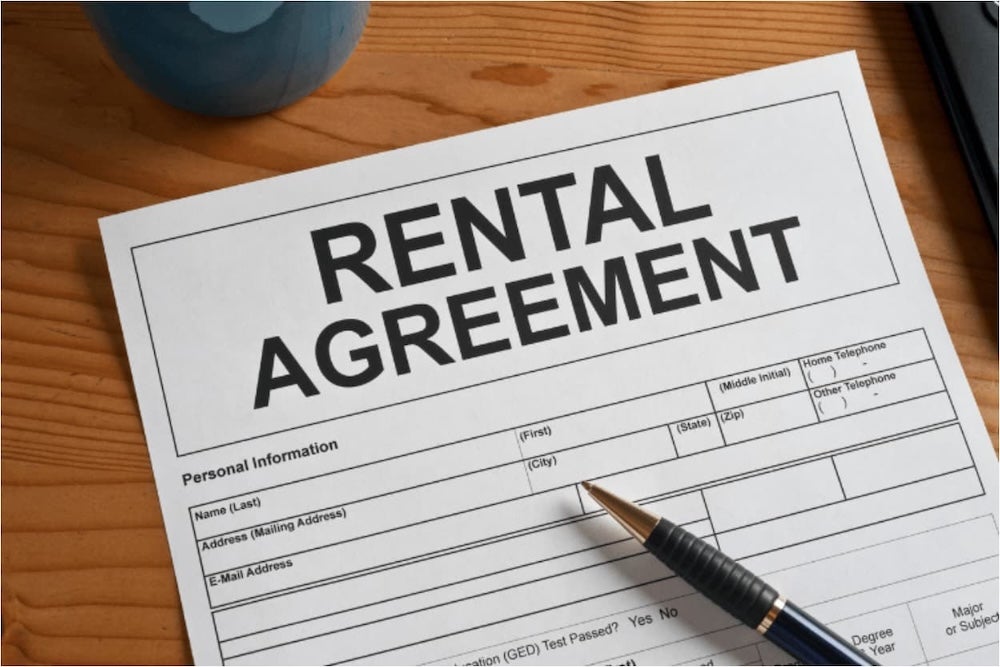
Living with roommates allows you to split the bills, but it can also make the landlord-tenant relationship more complicated. How do you know who is responsible for what and whether your landlord can stop you from bringing a roommate in? When you're renting in affordable housing developments, or even living in a detached ADU behind a single-family home, your lease agreement must comply with California state laws.
[Photo by KLH49 from Getty Images Signature on Canva.]
Tenant Laws and Affordable Housing
As a roommate or shared tenant, you have rights under California housing laws. Knowing what landlords are and aren't allowed to do can protect you and your housemates. Your rental lease agreement is the legal document that protects your rental relationship. It should list the rights and responsibilities of both tenants and landlords. Whether you're a roommate renting a room in San Diego or a family taking over a rental unit, this guide has got you covered. As long as you and your roommates are listed on the lease, you'll know where you stand.

[Photo by Mo Eid from Pexels on Canva.]
An Overview of California Housing Laws
If you're looking for a room in California, you'll be pleased to know that the state has some of the strongest tenant protections for renters in the country, particularly regarding housing projects. Remember: local law and state law both apply to rental units and tenants. Local governments - along with state oversight bodies like the California Coastal Commission in coastal zones - set the standard for community development and tenant protections. So make sure you're clued up on both sets of laws. Some of the important laws that roommates should learn about are:
- California Civil Code - This protects leases, deposits, landlord entry, and privacy.
- Tenant Protection Act of 2019 (AB 1482) - This act limits rent increases for tenants. It also requires just cause for any evictions.
- Fair Housing Act & Fair Employment and Housing Act (FEHA) - This legislation is in place to protect tenants from discrimination by residential landlords.
- Local Rent Control Ordinances - Certain cities, like Los Angeles and San Francisco, provide extra protections for tenants.
Existing law forms the basis for many recent updates, and new laws passed in the most recent legislative session continue to expand tenant protections.
As a roommate, you should know about these laws because of the way shared living works. Often, only one person will sign the lease and invite other people to move in later on. It's best practice if your name is listed on the lease, but if it isn't, local agencies and the California department responsible for housing and community development may still give you some protections.
What a Landlord Cannot Do in the Rental Application Process
Even in the rental application phase, landlords are expected to follow fair housing rules. Under the protection of California law, a landlord cannot:
- Refuse your housing application because your roommates are friends and not family members
- Deny you reasonable accommodation because of your gender, race, disability, sexual orientation, or family status
- Refuse applications from people using housing vouchers (such as Section 8)
- Increase application fees to charge potential tenants (only screening costs can be recovered)
Landlords are expected to give notice to applicants if they deny their housing application. The lease states the requirements for providing notice, and landlords must provide advance notice of any applications they refuse. They must also give the reason for the denial as it is required by law.
Imagine you and two of your friends want to apply to rent a three-bedroom apartment. The landlord can't just deny your application because you're not related to one another. If you meet the income and credit requirements, you should be treated as if you were a family.
Security Deposits and Local Law
Security deposits can be a sensitive subject, because roommates may move out at different times. California law regulates a security deposit as a legal term. State laws regulate collecting it, the deductions that are allowed, and the timeframe it must be returned in.
California law protects tenants' rights by managing how deposits should be handled, including impact fees:
- As of July 1, 2024, landlords can typically only charge one month's rent for unfurnished and furnished units. However, there are exceptions for “small landlords” who can charge up to two month's rent.
- A landlord must return a security deposit within 21 days after the lease has ended. If you or any roommate moves out before the lease ends, the landlord can legally withhold their deposit until the lease has ended.
- Landlords can only deduct for damages that are beyond the normal wear and tear. They can't deduct for painting the walls or cleaning the carpets.
This applies to high-rise apartment rentals and a coastal ADU; the rules are the same statewide.
Walk-Through Inspections
A landlord must provide advance notice before having a walk-through inspection before you move out. This is important because it gives you the chance to look for any issues that you can fix yourself. That's a more affordable option than having deductions taken from your security deposit.

[Photo by MattGush from Getty Images on Canva.]
Limits on Rent Increases and Collections
If you're living in a shared housing environment to make it more affordable, you're probably concerned about annual rent increases. Fortunately, California's Tenant Protection Act supports affordable housing developers while protecting tenants against steep annual rent increases.
- Annual rent increases are limited to 5% plus inflation (to a maximum of 10%). This cap applies to most multi-unit properties more than 15 years old. However, some buildings are exempt (such as newer construction, single-family homes not owned by corporations, and some affordable housing units).
- Landlords must provide notice before any rent increase: The landlord needs to give 30 days' written notice for annual rent increases of 10% or less, and 90 days' written notice for annual rent increases greater than 10% of the rent charged during the previous 12 months.
- Landlords must also give notice for other changes, such as lease non-renewal or entry into the rental unit, as required by law.
- Landlords can't charge new fees that haven't been added to your lease.
If your landlord raises rent by 8%, it's within the legal limit (if the building is covered by AB 1482), and they must give 30 days' notice.
If your landlord raises rent by 12%, that increase violates the statewide rent cap (unless the property is exempt), and even if it were allowed, the landlord must give 90 days' notice.
Entry, Privacy, and Tenant Rights
When you're renting a room in California in a shared space, your personal privacy is especially important. California laws say that landlords must respect the tenant's privacy and rights at all times.
- Landlords need to give you a minimum of 24 hours' notice before they can enter your room or property, except in emergencies.
- There are restrictions on the reasons that a landlord can enter. It must be for an inspection, to show the property, or for repairs. Landlord's rights to enter are limited by law and must be balanced with the tenant's privacy. If a landlord enters your property without permission or the proper notice, it's a violation of your privacy.
- Harassment is not allowed. A landlord can't show up all the time or communicate with you constantly.
A landlord using their key to enter your bedroom while you're at work would violate your privacy. In shared housing, roommates' rooms are recognized as personal spaces by the law.
[Photo by RossHelen on Canva.]
Maintenance, Health and Safety
As roommates, you're probably wondering who's responsible when something breaks. Under California Civil Code §1941.1, landlords must maintain housing in a livable condition. This means the property must meet basic health and safety standards.
If repairs affect your health, safety, or ability to live in the unit, the landlord is legally obligated to fix them within a reasonable time (often interpreted as about 7 days for urgent issues, though some local laws require faster action). Repairs may also be asked for on safety grounds if local authorities decide there are public health or safety concerns. Unresolved repair issues can lead to legal disputes between tenants and landlords.
In California, landlords cannot ignore the following:
- Plumbing and running water: If the only bathroom in your shared unit has a broken toilet or there's no hot water, the landlord must repair it right away. California law requires working plumbing facilities with hot and cold water.
- Heating systems: If your central heater breaks in winter, your landlord must restore heat. State law requires a heating system in good working order.
- Electrical wiring and lighting: If sparks come from an outlet in your kitchen, that's a violation of safety codes. California requires safe electrical systems, free from fire hazards.
- Weatherproofing and structural safety: If rain leaks through your roof into the living room you share with roommates, the landlord must repair it. Units must be weatherproof and structurally safe.
- Pest infestations: If cockroaches or rodents invade your apartment, the landlord must arrange pest control. California state housing laws consider vermin infestations a violation of habitability, unless the issue is caused by tenant negligence.
- Mold and sanitation: If water damage leads to mold in your bedroom, the landlord can't ignore it. California law requires the premises to be clean and sanitary, and mold is considered a health hazard.
Tenant Remedies in California:
If a landlord fails to fix these problems, tenants (including roommates) may:
- Use the “repair and deduct” remedy (California Civil Code §1942), paying for repairs themselves and deducting the cost from rent.
- Withhold rent until the repair is made (if the issue makes the unit uninhabitable).
- File a complaint with local code enforcement or health departments.
[Photo by Curtis Adams from Pexels on Canva.]
Leases, Evictions, and Affordable Housing
When you're renting, being evicted could be a worry, particularly if you have a roommate who doesn't follow the rules. However, California law offers tenants some peace of mind by limiting what a landlord can and can't do regarding lease terminations and evictions:
- A landlord can't evict tenants without just cause
- Landlords can't switch off utilities or lock tenants out
- It is illegal for the landlord to evict everyone because of one roommate's behavior or actions, unless they follow the proper legal process.
Any landlord who attempts to evict tenants without following legal procedures violates tenant protections and is unlawful.
A landlord needs a court order to evict a tenant, and if they try to move forward without following the legal process, tenants may be within their rights to take legal action.
For example, if a roommate doesn't pay their share of the rent, the landlord can give notice to "cure or quit". A cure or quit is sent when a tenant violates the terms of their lease, and essentially gives the tenant two options. They can cure and remedy the situation; in this case, that would mean settling the overdue rent. The alternative is to quit, which would be to move out of the property. But they must still follow the legal process (and you can't be evicted on the spot).
Utility and Service Restrictions
It's common practice for roommates to split utilities in shared housing units. Landlords are required by law to maintain essential services, but they can't:
- Switch off electricity, gas, or water to force tenants to leave
- Charge higher rates for utilities than what is written in the lease
- Stop or disrupt garbage collection
For example, it would be illegal for your landlord to switch off your hot water or Wi-Fi, even if you live in a detached ADU in a coastal zone property.
Prohibited Lease Terms
Landlords are bound by laws, but they may try to get around them by writing certain rules in the lease. However, what the lease states must comply with California law and can't override tenant protections. The rental agreement must not include terms that violate these legal safeguards. California law stops landlords from:
- Not allowing new roommates to live on the property, even though they are allowed by law
- Forcing tenants to agree to live in an uninhabitable home
- Adding extra fees or penalties
For example, if your lease has a clause that says no additional roommates or overnight guests are allowed, those clauses aren't legal. Landlords can set reasonable limits to the occupation of the property, but they can't take away fundamental tenant rights.
Renter's Insurance
Landlords may ask for proof of renters' insurance, but they can't:
- Request that you take insurance from a provider they recommend
- Use the insurance as a reason not to maintain the property
For example, if your landlord tries to dictate which insurer you take a policy with, you can decline and choose your own. You have the right to make the choice.

[Photo by AndreyPopov from Getty Images on Canva.]
Disclosures
Landlords must disclose certain conditions about their rental properties. This includes whether the unit is located in a designated coastal zone, which may come with additional development restrictions or environmental considerations.
This is a legal requirement under California state housing laws, which means they can't:
- Have known pest infestations or mold in the rental unit
- Not disclose if the property is in an earthquake or flood zone
- Not disclose the details about rent control or affordable housing restrictions
For example, if you are renting a property and you discover it is infested with bed bugs, and the landlord was aware of it, they would be liable for penalties.
Abandoned Property
It's fairly common for personal belongings to be left behind when roommates vacate a property, especially if they leave at different times. There are also laws in place to protect tenants' abandoned property:
- Landlords can't throw abandoned items out immediately
- Landlords can't donate or sell a tenant's personal property unless they follow a legal procedure
Say, for example, a roommate leaves and forgets some of their furniture (because other people are still living in the house). The landlord must give notice and then store the items for a period. They aren't allowed to get rid of them as soon as the tenant has gone.
FAQs
Can a Landlord Stop Me From Having Roommates?
Landlords can set reasonable limits, but they can't ban you from living with roommates unless it's stated clearly and legally in the lease. If your name isn't on the original lease, the landlord may require approval, but they must follow California's housing laws.
What if My Landlord Enters My Room Without Asking?
That's illegal. Even in shared housing, your bedroom is your private space. If it keeps happening, you may even have grounds for a harassment claim.
Can Rent Be Increased for Just One Roommate?
No. Rent increases apply to the entire unit, not individuals. If you share rent, you and your roommates decide how to split the cost. A landlord can't single out one roommate for a higher payment.
What if One Roommate Doesn't Pay Rent?
The landlord can pursue eviction if the rent isn't paid in full, but they must follow proper legal steps. If you've paid your share, keep records to protect yourself, especially if it takes seven days for the landlord to respond. In some cases, roommates must cover the missing portion to avoid eviction, then seek reimbursement from the non-paying roommate.
Can My Landlord Refuse to Return the Deposit Because of My Roommate's Damage?
The landlord can deduct for damage caused by anyone living in the unit, but they must itemize deductions. If only one roommate is responsible, you may need to settle the deposit split among yourselves. Legally, the landlord must treat the deposit as one total amount, not separate shares.
Can My Landlord Prevent Me From Replacing a Roommate?
Not usually. Many leases allow “replacement roommates” with landlord approval, but landlords cannot unreasonably withhold consent. For example, if your new roommate meets the same financial and screening standards as the original tenant, the landlord can't say no.
Do All Roommates Have Equal Rights if Not Everyone Is on the Lease?
It depends. If you're a subtenant or lodger, your rights may be slightly different from those listed on the lease. However, California law still gives you protections against unlawful eviction, harassment, and unsafe conditions.
Can a Landlord Evict All Roommates if Only One Breaks the Rules?
Sometimes yes; sometimes no. If everyone is on the lease together, all tenants are considered jointly responsible. That means one person's actions could affect the group. However, landlords must follow legal eviction procedures and can't simply remove everyone without cause.
What Happens if My Landlord Sells the House While I Live There?
Your lease still stands. The new owner takes over as landlord and must honor the terms of your lease. They can't force you and your roommates out before the lease ends unless they have legal grounds under California's “just cause” eviction laws.
Conclusion
Knowing what a landlord cannot do in California, especially in the context of regional housing, will help you to feel more confident and secure in your living situation. The law is designed to keep tenants safe from privacy violations, unfair deposit deductions, and illegal rent hikes. It is designed to balance the rights and responsibilities of landlords and tenants, and understanding its limits and protections, sets the tone for a positive landlord-tenant relationship.
Disclaimer - This information is for general informational purposes only and should not be treated as legal advice. We recommend you consult an experienced Landlord Tenant attorney if you require legal advice.