
What a Landlord Cannot Do in Texas: A Guide for Responsible Landlords

[Photo by S. Greg Panosian from Getty Images Signature on Canva.]
If you're a landlord in Texas, knowing what you can and can't do will help you to create positive landlord-tenant relationships and avoid legal consequences of non-compliance. Landlords must uphold tenant rights and the terms of their lease, regardless of whether you're renting out a spare room or managing multiple rental properties.
We've created this guide for Texas landlords, homeowners, and live-in landlords. It explains what a landlord cannot do in Texas and gives you the steps to follow to stay compliant so you can avoid tenant disputes.
If you're a landlord, SpareRoom can help you find high-quality roommates in Dallas, Austin, or anywhere else in Texas (and the US).
Overview of Texas Tenant and Fair Housing Laws
While Texas is a landlord-friendly state, it doesn't mean that landlords have absolute power. Landlord-tenant laws form the foundation of all the rules and protections discussed in this article because they regulate the rights and responsibilities of both landlords and tenants. The Texas Property Code gives specific rules for landlords to follow, and federal laws give tenants added protection against discrimination and unfair treatment.
Important areas of protection provided by the Texas Property Code and Fair Housing Act include:
- Restrictions on managing security deposits and their return deadlines
- The requirements for entering the roommate's property or personal space
- Rules about retaliation
- The health and safety standards for the rental property
- Non-discrimination requirements under the Federal Fair Housing Act
These fundamental rights form the basis of landlord-tenant laws in Texas. Understanding them can help you act within the boundaries of the law, protecting your rental income.

[Photo by Sean Pavone from Getty Images on Canva.]
What a Landlord Cannot Do in Texas
1. Enter a Rental Property Without Giving Enough Notice
Under Texas landlord-tenant laws, property owners and landlords can't just walk into a tenant's property unannounced. The tenant pays for private and exclusive use of the space, and even though you have a key, you can't just access the rental whenever you like.
Texas doesn't specify a timeframe, but 24 hours is considered best practice. Remember: entering the property without permission and without reasonable notice is a violation of tenant rights. It infringes on the tenant's right to quiet enjoyment. Your tenants have the right to privacy and peaceful use of the space.
For example, you can't enter the property or room when the tenant is at work, just for a house check, without giving notice. Give written notice at least 24 hours ahead of your intended visit.
When Would It Be Acceptable to Enter a Tenant's Property?
You can only go in without notice or permission if there's an emergency. Say, for example, the tenant is at work and a water pipe bursts. You would be able to enter to switch the main water supply off and give access to the plumber to fix it.
2. Retaliate Against Tenants
Landlords aren't allowed to retaliate against tenants who choose to exercise their rights. Those include requesting repairs, joining tenant unions, or even lodging a complaint with the authorities. Retaliation can take the form of responding to the actions mentioned above with rent increases or sudden eviction without just cause (and following the proper legal procedure).
If a tenant calls the health department about a mold issue and you serve them a 30-day notice shortly after, it could be seen as retaliatory under Texas law.

[Photo by Jakub Zerdzicki from Pexels on Canva.]
3. Discriminate Against Tenants
A landlord cannot discriminate against roommates and tenants based on their religion, race or color, national origin, familial status, or disability. Under Texas law and the Federal Fair Housing Act, certain municipalities also offer extra protections based on tenants' gender identity and sexual orientation. Any landlord who behaves unfairly towards tenants based on these categories would be violating fair housing laws and could face legal consequences.
You can't refuse accommodation to a family with children on the basis that children are noisy, because this would violate both state and federal law.
4. Refuse to Return a Security Deposit Without Cause
Security deposits are strictly regulated in Texas. Local laws say landlords have to return the security deposit within 30 days of a tenant moving out. You can also only make deductions for any damage that takes place beyond the normal wear and tear. Landlords must send the tenant's security deposit and an itemized list of deductions to the tenant's forwarding address within 30 days.
Any deductions must be itemized, or there could be legal consequences. If you go to court, tenants are entitled to recover reasonable attorney fees if their application is successful.
For example, you wouldn't be allowed to keep a tenant's security deposit to repaint the walls of the unit if they've been scuffed by the furniture moving around. That kind of project would fall under maintenance.
5. Charge Non-Refundable Application Fees Without Disclosure
Under Texas Law, rental application fees can be non-refundable, but landlords should state this in writing when communicating with prospective tenants. If you don't disclose the fee as non-refundable, tenants could be entitled to claim a refund. Include a clause in your lease agreement that makes this clear.
6. Evict Without Following Legal Procedures
All tenants have legal rights under Texas law, so you can't evict them unless you go through the proper legal channels. You must serve a written notice, file the eviction, and get a court order before you can evict tenants. Federal and state law make utility shut-offs, lockouts, and threats forms of illegal eviction.
Example: You can't change the locks at the property while the tenant is at work, even if they're one month's rent behind in payments. This is an illegal eviction. You need a court order to lock the tenant out.
7. Fail to Make Essential Repairs
One of your basic responsibilities is to maintain the rental unit and carry out the necessary repairs. A landlord must ensure the property complies with health and safety standards. Maintenance and repairs that affect the health and safety of your tenants are the most important. Those include the plumbing, heating, electricity, and water supply, as well as repairs related to mold removal and pest control.
When a tenant requests a repair in writing, you generally have seven days to respond. Ignoring the request or delaying your response can result in the tenant having the right to withhold rent, pay for the repair themselves, and then deduct the cost of the repair from their monthly rent payment, or even terminate the lease agreement. When a landlord doesn't meet their legal obligations, tenants have the right to pursue legal action.
For example, if a tenant asks you to repair a broken HVAC system in the Texas summer and you ignore it, you could be liable for damages. It would also give the tenant grounds to withhold rent.
8. Increase Rent Without Proper Notice or Discrimination
Texas does not have rent control, so landlords typically are allowed to increase rent. You must follow the legal process for rent increases.
- Proper Notice: Landlords must give tenants on month-to-month leases at least 30 days' written notice before they can increase the amount of rent. Tenants still have to pay rent during their notice period.
- Lease Terms: For tenants on fixed-term leases, rent increases can't be passed unless the lease has expired or the lease contains a clause that specifically allows you to increase rent early.
- Discriminatory Increases: Landlords can't use rent increases as a form of retaliation or to discriminate against roommates or tenants.
For example, passing a rent increase to a tenant straight after they've filed a complaint about a security issue could be seen as retaliation, and they could take legal action against you. Unpaid rent is grounds to evict tenants, but you must follow the proper legal procedures.
Note: Even though rent control doesn't apply statewide, some cities may have local ordinances and guidelines. You should always check your local laws before you increase rent.
9. Violate Lease Terms or Modify Agreements Without Consent
You can't change the terms of a rental agreement unless you have the tenant's written consent because it's a legally binding contract, especially during a fixed-term lease. If you try to change the rental agreement or its terms, it's strictly prohibited under Federal and Texas law.
- No Mid-Lease Changes: A landlord cannot introduce new fees or rules (such as charging for parking or a new pet policy) without the tenant's approval. You need the tenant's consent first.
- Renewal Notices: A landlord must give advance notice if they don't plan to renew a lease or change its terms on renewal.
- Verbal Agreements Don't Override Leases: Everything must be put in writing, as anything not written down in the lease agreement is very difficult to enforce legally. Written agreements will stand up in court.
For example, you can't decide in month six of a 12-month lease that overnight guests are not allowed, unless it has been stated in the original rental agreement and both parties have agreed to it.
Remember: Clearly defined, detailed rental agreements protect tenants and landlords. Review the lease terms with all potential tenants. Both parties must have a signed copy of the lease.

[Photo by khunkorn from khunkorn on Canva.]
Consequences for Violating Lease Terms and Rights
Legal Penalties and Fines
There are consequences for violating tenant and roommate rights, including fines and penalties, lawsuits, and reputational damage. A legal, professional relationship with your tenants may help you avoid legal penalties and fines. In cases involving discrimination and illegal eviction, tenants can be awarded damages and court costs.
Lease Termination or Tenant Withholding Rent
If you don't uphold your responsibilities, it's legal for your tenants to terminate the lease or withhold rent for necessary repairs. This puts extra financial pressure on you, and it can also delay being able to rent the property out again. It's in everyone's best interests for you to repair maintenance issues before they get bigger.
Negative Online Reviews and Reputation Damage
Negative reviews can spread quickly. Tenants are very likely to share their bad experiences at a rental property, which can make it difficult for you to attract tenants in the future. Being fair and professional can help you maintain a positive relationship with your tenants.
[Photo by PC Photography from Getty Images on Canva.]
How Landlords Can Stay Compliant in Texas
- All property owners should have a written lease that clearly explains the tenant and landlord responsibilities.
- A professional property management approach can help you stay compliant with Texas laws.
- Always give proper notice before you enter a rental unit to respect your tenants' privacy and meet your legal obligations.
- Respond to maintenance requests efficiently and make sure you save all correspondence in writing.
- Building inclusive communities and upholding non-discriminatory practices is a requirement for compliance.
- Keep accurate records of all your correspondence with tenants and any updates you make to leases.
- Return a tenant's security deposit within 30 days of them moving out, along with a list of deductions. You can only use security deposits for property damage that occurs beyond normal wear and tear. Make sure any deductions are compliant.
- Familiarize yourself with the Texas Property Code.
Best Practices for Landlord Conduct
- Give proper notice and get tenant consent for regular property inspections.
- Make sure your lease agreement and all policies are in writing and agreed to by tenants.
- Use a platform like SpareRoom to find roommates who have been vetted.
- Keep the application process fair and non-discriminatory.
- Try not to overdo it with rules; trust can make a big difference in a tenant relationship.
Resources for Legal Guidance in Texas
Here are some helpful Texas resources that can assist you with compliance:
- Texas Attorney General's Office: Can assist you with tenant and landlord rights
- Texas Apartment Association: Shares landlord education resources
- Local housing authorities and tenant unions
- Legal Aid of Northwest Texas for legal consultations
- Your local justice of the peace court for eviction procedures
FAQs
Are Rental Application Fees Refundable in Texas?
Rental application fees can be non-refundable, but only if it has been stated in writing, in advance. If you haven't disclosed it, tenants could be entitled to receive a refund.
[Photo by Poguz.P from Poguz.P on Canva.]
Can You Withhold Rent for Repairs in Texas?
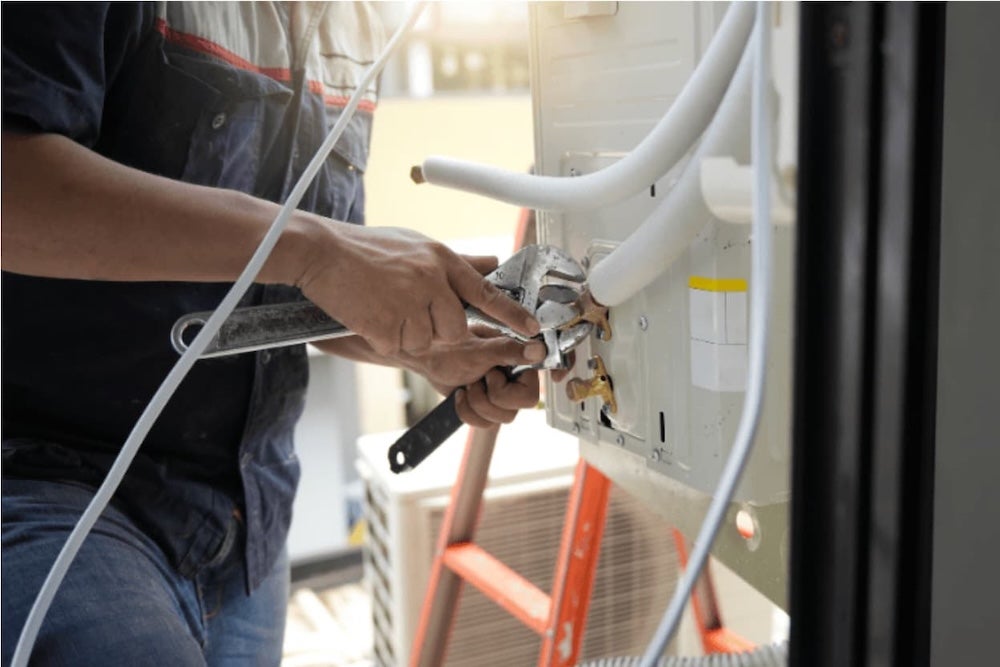
Yes, but only if certain conditions are met. They must be essential repairs that affect the tenant's physical health or safety, the tenant must have notified you in writing, and you must respond within a reasonable timeframe. Tenants must not have any unpaid rent to be able to exercise this option.
Can a Landlord Enter Your Apartment Without Notice in Texas?
No, a landlord cannot enter without notice or permission. Best practice is 24 to 48 hours' notice, unless it is an emergency, or the landlord's conduct could be considered harassment or trespassing.
Can a Landlord Keep My Security Deposit for Normal Wear and Tear?
No. A landlord cannot deduct for normal wear and tear. The deductions must be for damage that takes place beyond standard use. Landlords must provide an itemized list of deductions.
Conclusion
Being a landlord in Texas carries responsibilities. Staying informed about what a landlord cannot do in Texas will help you to create a respectful rental environment for roommates and tenants. Maintaining positive landlord-tenant relationships helps you to attract high-quality tenants in the future.
Disclaimer: This information is for general informational purposes only and should not be treated as legal advice. We recommend you consult an experienced Landlord Tenant attorney if you require legal advice.