
What Is Landlord Insurance?

[Photo by 89Stocker on Canva.]
Renting out your property is a smart way to generate extra income, but it may also expose you to risks. You must protect your investment to earn a regular income. If you're a homeowner and you live at the property, you'll need a homeowner's insurance policy, but if you're renting a property out, you need landlord insurance.
This article explains what landlord insurance is and how it differs from personal property coverage, so you can protect yourself against unexpected risks and financial losses.
Key Terms You Should Know
- Landlord Insurance: A policy designed for landlords to insure rental properties. It covers the building structure, liability risks, and loss of rental income.
- Homeowners Insurance: Insurance for properties where the owner lives. It includes liability and personal property protection.
- Renters Insurance: A tenant's insurance policy that protects their personal belongings. It may offer liability coverage.
- Perils: Specific risks or events that can cause damage, such as fire, theft, or storms.
- Liability Insurance: Covers legal costs and damages if a tenant or visitor is injured on your property.
- Personal Property Coverage: Protects items owned by the landlord inside the rental property and used by the roommate (e.g., appliances).
- DP-1, DP-2, DP-3: Different types of dwelling policies offering tiers of insurance coverage for rental properties.
What Is Landlord Insurance?
Landlord insurance is a type of property insurance that helps landlords and protects them in the event of damage to their property. This type of insurance helps homeowners avoid financial losses when renting out their properties. If you're a landlord, landlord insurance is vital for protecting yourself from the financial repercussions of property damage.
Landlord Insurance vs Homeowners' Insurance Policy
In short, homeowners' insurance covers the property you live in, while landlord insurance covers what you rent out. For comparison, landlord insurance may be 20-25% more expensive than a homeowner's policy for the same property. This is because you're at a higher risk when you rent properties out.

[Photo by sturti from Getty Images Signature on Canva.]
Homeowners' Insurance
A standard homeowners insurance policy is designed to cover the property you live in (your primary residence). It includes liability coverage and personal property inside your home. This kind of insurance policy only applies to owner-occupied homes, so it doesn't cover you if you decide to rent the property out. If you were living in the property and have decided to turn it into a monthly rental, your policy will have to change to landlord insurance.
Landlord Insurance
A standard landlord insurance policy covers the building structure, liability, and any loss of rental income resulting from events such as water damage (for example, from a burst geyser) or fire damage. Importantly, it doesn't cover your tenants' personal belongings or damage to personal property. Your tenants need their own insurance to cover their personal items. This is typically referred to as renters' insurance coverage.
If you're just getting started, see our guide on how to become a landlord. And if you want the best way to find tenants for your rental property, check out our listings to get started. Living with the right roommate makes all the difference in ensuring financial protection for your rental venture.
[Photo by barmixmaster from Getty Images Signature on Canva.]
Types of Insurance Coverage
Landlord insurance is diverse. There are different policy types available for landlords, and each covers specific risks and property types. Each policy has its own terms, but generally, most landlord insurance policies include property damage, loss of rental income, and provide liability coverage.
Before you choose a policy, you'll need to think about how much coverage you need by assessing your property's value, any liability risks, and the value of your belongings inside the unit.
Here are some examples of state-specific liabilities to think about:
In Texas
In Texas, weather-related insurance claims are common - especially for hail and wind damage. If you're renting a property out in Texas, your landlord insurance policy should cover structural damage and include add-ons for weather events.
In California
If you're a landlord in California, your liability insurance should cover earthquake damage and natural disasters because of frequent seismic activity. This is optional coverage; it's not included in all base landlord insurance policies by default.
In Florida
Rental properties in Florida are at increased risk of damage from hurricanes. If you're a Florida landlord, remember that many base insurance policies exclude flood damage, so you may need to take extra protection against floods and windstorms.
Trying to find tenants in specific states? See our roommate finder. This way, you can find reliable tenants in Dallas, Los Angeles, Miami, and lots of other popular US cities.
Landlord Insurance Policies
There are three main types of landlord insurance policies:
[Photo by Mattias Bokinge from Getty Images on Canva.]
1. Dwelling Policies (DP-1, DP-2, DP-3)
Dwelling coverage is the most common form of landlord insurance. Each tier of dwelling coverage offers a different level of protection.
DP-1 (Basic Form)
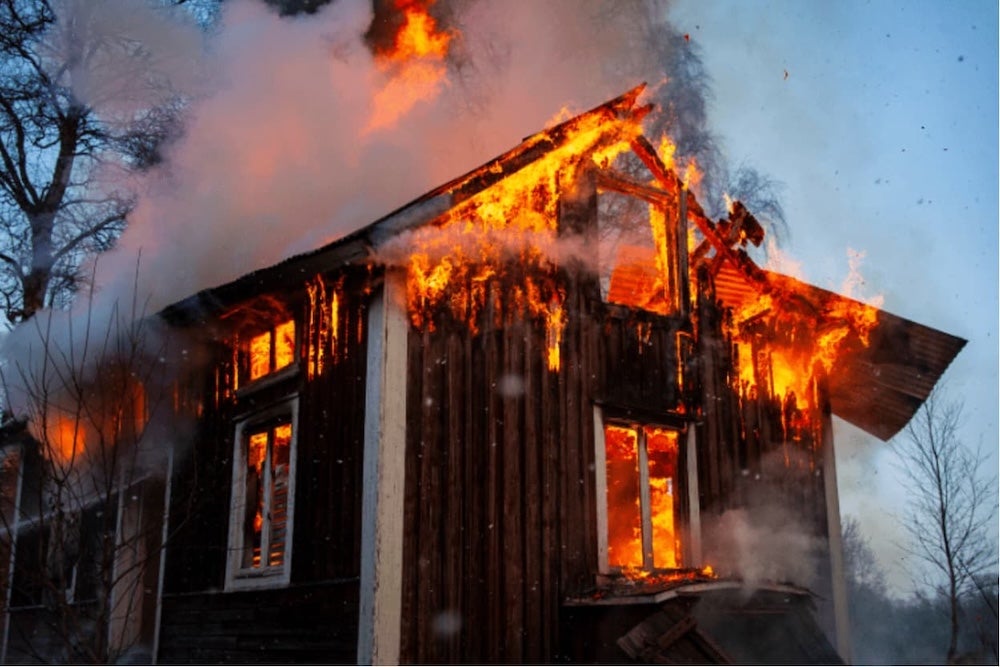
Covered Loss: DP-1 only covers named perils; if it's not listed in the policy, it's not covered. Covered perils include:
- Fire
- Lightning
- Windstorms
- Hail
- Vandalism
- Riots or civil commotion
DP-1 doesn't cover water damage, break-ins, or falling objects.
Payout: Actual Cash Value (ACV), so depreciation is deducted from any payout. For example, if you have a 10-year-old roof that's damaged in a fire, you'll get the value of a 10-year-old roof, not a new one.
Best for:
- Older homes or landlords who want low-cost insurance
- Vacant or lower-value properties
[Photo by Alena Zharava from Getty Images on Canva.]
DP-2 (Broad Form)
Covered Loss: DP-2 also covers named perils, but the list is more extensive than DP-1.
DP-2 includes covered perils from DP-1, as well as:
- Burglary (when the property is occupied)
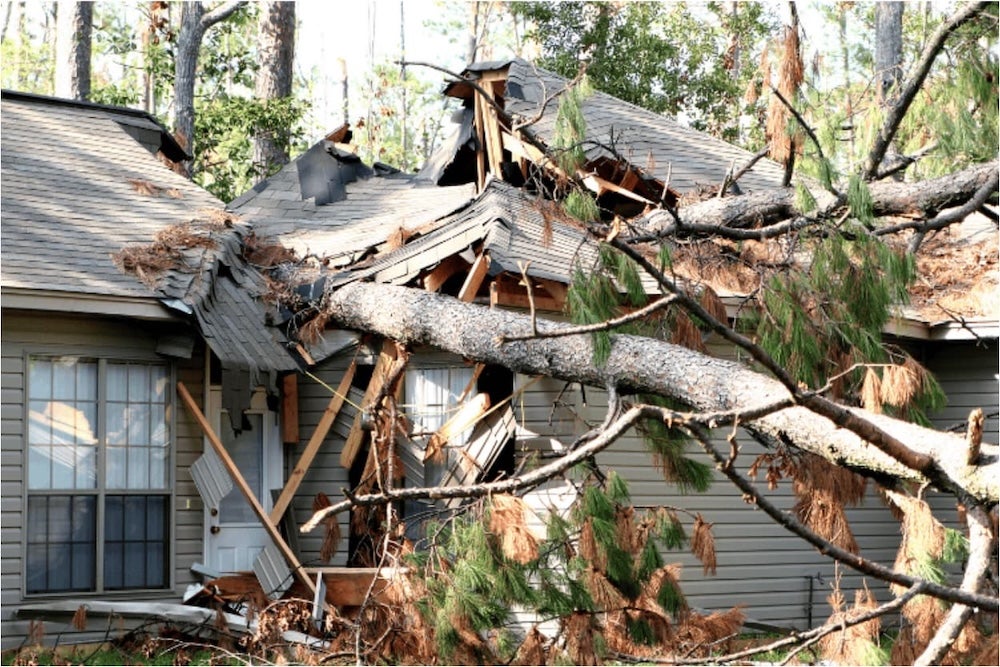
- Falling objects (like tree branches)
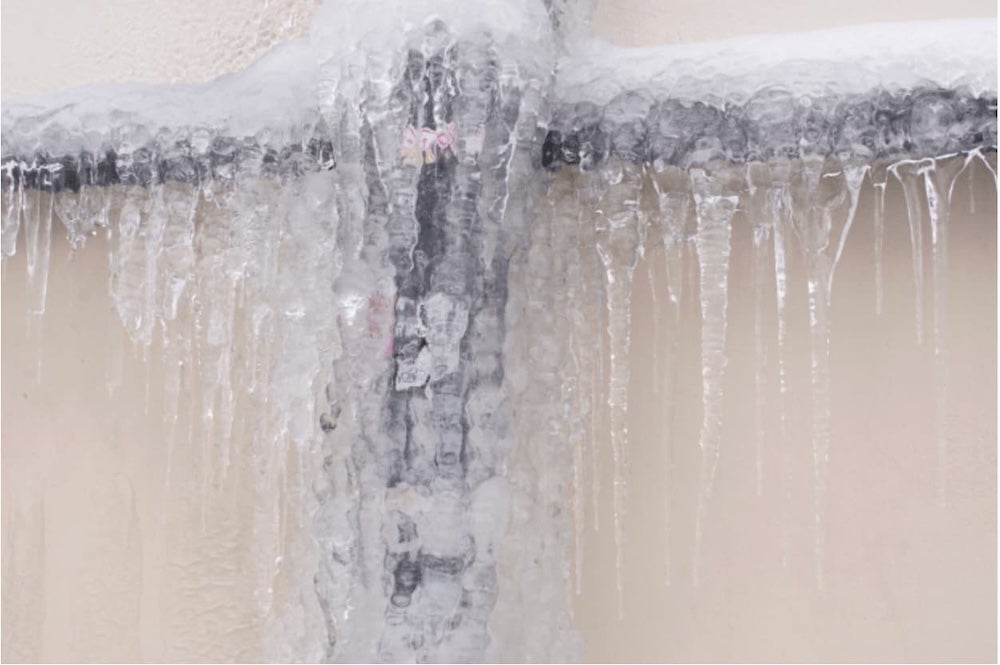
- Damage caused by ice, snow, or sleet
- Frozen or burst pipes
- Broken glass
- Water leaks
Payout: Replacement Cost Value (RCV). This means you're reimbursed for the cost of replacing your damaged property. You may get higher payouts, but you'll also pay higher premiums.
Best for: Occupied properties or long-term rentals where the landlord wants extensive coverage.
[Photo by 1001nights from Getty Images Signature on Canva.]
DP-3 (Special Form)
Covered Loss: DP-3 is an open-perils or all-risk policy, which means it covers all risks except those excluded in the policy.
Examples of exclusions in DP-3 include:
- Floods
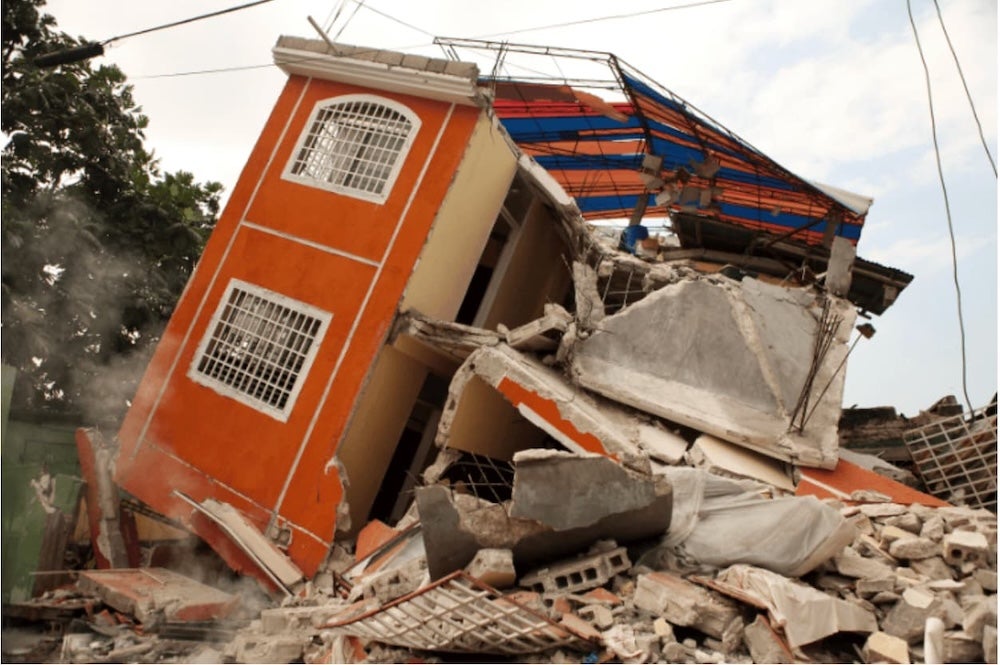
- Earthquakes
- Intentional damage by the property owner
- Mold or pest infestation
- War
DP-3 policies don't cover damage caused by floods or earthquakes; you'll need separate policies or endorsements for those. Read your policy to see what your exclusions are. Take additional coverage for the exclusions so you don't have gaps in protection.
Payout: Pays Replacement Cost Value (RCV). This means you are reimbursed the full cost of repairing or replacing the damaged parts of your home without deductions for depreciation.
Best for:
- Occupied rental properties or long-term investments
- Landlords who want maximum protection
DP-3 is more expensive, but worth it for high-value homes or those in areas with unpredictable weather or high rental income. Your lender may require it if your rental property is still under finance.
2. Loss of Rent (Fair Rental Value Coverage)
This insurance coverage pays you the rental income you lose if you can't rent your space out because of a covered event.
It may be included in DP-2 and DP-3 policies, or you can add it on as an endorsement.

[Photo by Ivan Samkov from Pexels on Canva.]
3. Liability Insurance
Liability insurance covers you if someone is injured on your property and you're legally responsible. It usually covers medical costs and legal fees.
4. Personal Property Coverage
This insurance coverage protects you against personal property (damage to the items you own, such as appliances and furniture). It doesn't cover the tenant's belongings. Tenants need a renters' insurance policy for personal property.
You can avoid damage to your property by choosing the right tenant or roommate. Check out our guide on questions for tenants or roommates to ask during the application process.
5. Landlord Contents Insurance
This is like personal property coverage, but it covers the furnishings and fittings you provide in the rental unit.
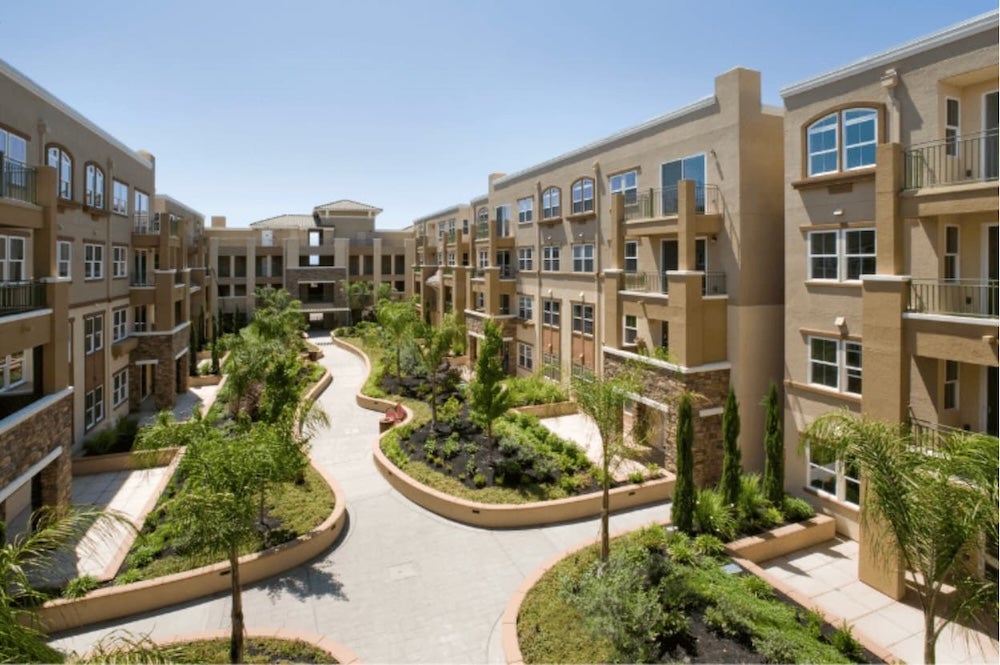
[Photo by alacatr from Getty Images Signature on Canva.]
6. Commercial Landlord Insurance Cover
This insurance cover is for multi-family buildings, apartment complexes, or properties used for business purposes.
It covers the building and gives you protection for liability and loss of rental income. It may also cover on-site employees or business interruptions, depending on your policy and provider.
7. Umbrella Liability Insurance
Landlords with multiple properties, business clients, or high-value rental owners may want extra liability. Umbrella liability insurance gives you additional cover beyond what's included in standard landlord policies.
8. Add-on or Optional Coverages
Depending on your state or location, you might need to add these to your policy:
- Flood Insurance (especially in areas like Florida)
- Earthquake Insurance (especially in California)
- Vandalism or Malicious Mischief Coverage (not always included in DP-1)
- Building Code Coverage (covers added costs if you must bring a repaired building up to code)
- Ordinance or Law Coverage (especially for older buildings)

[Photo by SIRAYUDDIN MANAMING from doidam10 on Canva.]
Buying Landlord Insurance Cover
When shopping for landlord insurance:
- Compare quotes from at least three providers. Talk to your insurance provider or a local insurance agent to check your landlord's insurance coverage options.
- Check what's excluded and ask about endorsements if you'd like to be covered for vandalism, floods, or earthquakes.
- Consider combining with other types of insurance for discounts. It may be cheaper to have all your insurance policies with one provider.
Landlord Insurance Costs
The cost of your landlord insurance policy depends on factors such as:
- Your property location
- The type of building you want to insure
- The age and condition of your property, which will determine its value
- The amount of coverage and deductibles
Landlord Insurance Coverage and Tax Deductions
Rental property owners can claim their landlord insurance premiums as a tax deduction. As long as the insurance covers your rental property, which is used for business and includes personal liability, you can write off the cost on your tax return.
Frequently Asked Questions
Does landlord insurance cover floods?
Most standard landlord insurance policies actually don't usually cover flood damage. However, you should be able to purchase additional coverage for floods. Flood insurance can be very helpful, especially if it covers flood damage from both plumbing issues and natural disasters.
Does landlord insurance cover natural disasters?
Standard landlord insurance policies usually cover some natural disasters but not others. For example, insurance companies typically cover fires. In contrast, they sometimes don't cover floods and earthquakes. You should carefully review your policy to determine what natural disasters it covers. And if you're still shopping for an insurance policy, select one that addresses all your concerns.
Does landlord Insurance cover the cost of evicting a tenant?
Landlord insurance does not cover the cost of evicting a tenant. Most insurance policies also won't cover the lost rental income that results from eviction. So, if you've recently evicted someone, it's important to know how to find a tenant quickly. Also, don't forget to research how to evict a tenant before initiating eviction proceedings. Your landlord insurance won't cover legal costs associated with wrongful eviction lawsuits, so be sure to do it right!
Does landlord insurance cover the tenant's belongings?
No, landlord insurance covers only the rental property itself. Landlord insurance doesn't cover a tenant's personal belongings. If a tenant wants coverage for their personal property, they should buy renters' insurance. Renters' insurance can help tenants recover the value of lost property if the worst happens.
Conclusion
So, what is landlord insurance? It protects your property when you're renting it out. Your landlord insurance policy protects your building, rental income, and covers liability claims, so you can manage risks and unexpected damages. Having the right level of cover for your property is a smart move - and with it being tax-deductible, it pays for itself.
Disclaimer - This information is for general informational purposes only and should not be treated as legal advice. We recommend you consult an experienced Landlord Tenant attorney if you require legal advice.
Reference List
- U.S. Department of Housing and Urban Development (HUD)
- Insurance Information Institute (III)
- National Association of Insurance Commissioners (NAIC)
- FEMA - National Flood Insurance Program (NFIP)
- California Earthquake Authority
- State Department of Insurance Websites (Texas, California, Florida)
- IRS Publication 527 - Residential Rental Property (including deductions)