
How to Evict a Tenant: A Guide for Landlords
[Photo by Vyacheslav Dumchev on Canva]
Evictions are never easy, but understanding how the eviction process works can make the process smoother and less stressful. If you're dealing with a tenant who owes rent, or if you have someone who's a safety concern, it's important to know your legal options.
This article will walk you through the steps, alternatives, and smart ways to handle tricky tenant situations legally, calmly, and with minimal drama. To note: Always remember to check local laws when it comes to evictions, as rules can differ depending on where you live.
How to Evict a Tenant: The 7-Step Eviction Process
Evicting a tenant isn't as simple as just asking them to leave; there must be just cause for the action. It's a legal process that you need to handle carefully to avoid complications or delays. Here's a breakdown of the steps every landlord should follow to ensure an eviction is valid, fair, and enforceable.
Step 1: Review the Lease Agreement
Start by checking the lease. The written agreement outlines what violations justify eviction, such as unpaid rent, property damage, or rule-breaking. Make sure your reason for eviction aligns with the contract's terms.
Step 2: Reason with the Tenant
Try to resolve the problem directly before taking it to court. A calm discussion can often clear up misunderstandings about payment or noise. Offer solutions such as payment plans or revised terms. Clear communication will prevent most evictions, saving both parties time and money.
Step 3: Give a Written Notice
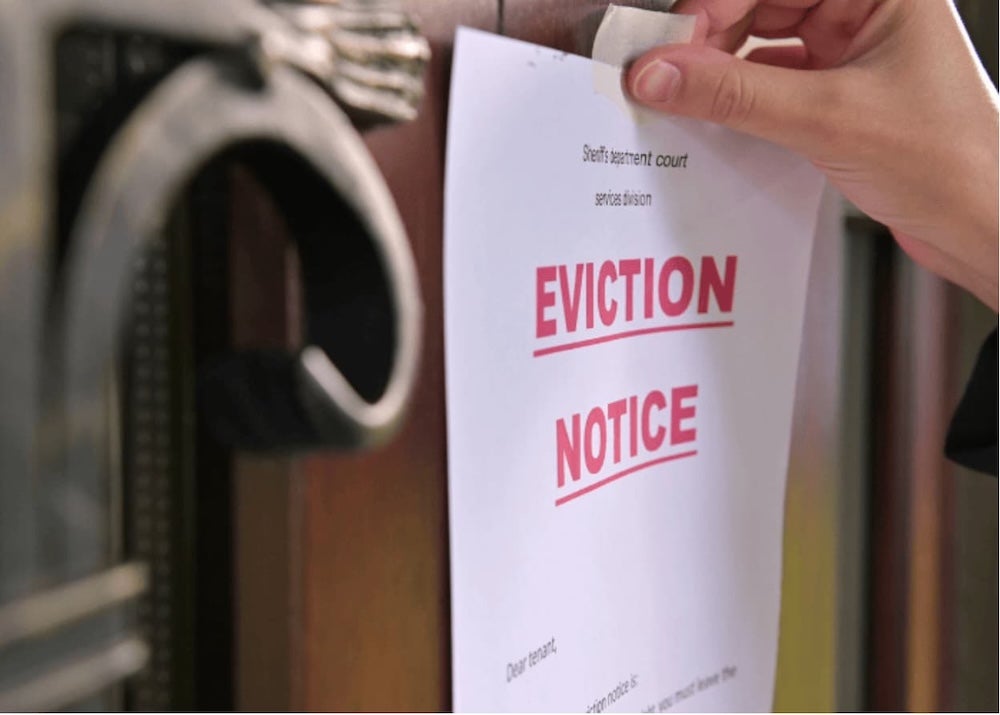
You can't just tell someone to leave; you must provide an eviction notice in writing. The type of notice depends on your reason for eviction, and each serves a different purpose:
- Pay or Quit Notice: Used when rent isn't paid on time. It gives the tenant a short period (usually 3-5 days) to pay up or move out. If they pay within that window, the eviction stops.
- Cure or Quit Notice: Issued when a tenant violates the lease, like keeping a pet when their contract specifies they can't or disturbing neighbors. It gives them a set time to fix the issue, which is the “cure,” or leave the property.
- Unconditional Quit Notice: This one's the strictest. It demands the tenant vacate immediately, with no chance to fix the problem. It's usually reserved for severe cases such as repeated violations, major property damage, or illegal activities on the premises.
Step 4: File for Eviction in Court
If the tenant ignores your notice, it's time to file paperwork for an eviction lawsuit, often called an unlawful detainer, which can lead to a court order. This step officially brings the case before a judge. Be ready with documentation, including:
- The lease agreement
- Payment records
- Proof of communication
- Copies of all notices sent
Step 5: Attend the Court Hearing
Both parties will have a chance to explain their side. If the court rules in your favor, you'll receive a judgment for possession, which means the tenant must leave. Missing deadlines or lacking documentation can delay this step, so make sure you're organized.
Step 6: Enforce the Eviction Order
If the tenant still refuses to leave, contact local law enforcement to physically remove them. Only the sheriff or an authorized officer can legally remove someone from the property. Never attempt a “self-help” eviction like changing locks or cutting utilities, as this can lead to serious legal trouble. Familiarize yourself with landlord-tenant laws so you know what is and isn't allowed.
Step 7: Recover Unpaid Rent and Damages
After the tenant moves out, you can take steps to reclaim any unpaid monthly rent or repair costs. This might involve using their security deposit or filing a separate small claims case if the amount exceeds it. You can use our roommate finder to find a new tenant.
[Photo by designer491 on Canva]
Common Reasons Landlords Choose to Evict
Eviction is rarely a landlord's first choice, but sometimes it's the only way to protect the property and maintain peace. These are the most common causes behind eviction decisions.
Failure to Pay Rent
The biggest reason for eviction is when tenants don't pay rent. When tenants consistently fall behind, landlords can't cover their own expenses related to the rental unit, like mortgages or maintenance costs. A Pay or Quit notice often comes first, but if the tenant doesn't catch up, eviction becomes the only realistic solution to recover losses and get back to normal.
Lease Violations
Tenants may agree to certain terms when they sign a lease, like no pets, no smoking, or keeping noise down. When those rules are repeatedly broken, landlords may issue a Cure or Quit notice. If the problem continues, eviction keeps your property safe and livable for your next tenant.
Property Damage
Normal wear and tear is expected, but serious or intentional damage is another story. Landlords can evict tenants who destroy walls, flooring, doors, or appliances, especially when repairs become costly. Documentation and photos are key here, since courts require clear proof that the tenant's actions went beyond normal use.
Illegal Activities
Running illegal operations on a rental property gives landlords immediate grounds for eviction. Keeping your property safe is a priority, but ensuring safety for your neighbors and other residents in the area is just as important.
Health or Safety Violations
If a tenant's behavior creates unsafe living conditions, such as hoarding, poor sanitation, or fire hazards, landlords can legally remove them in accordance with state and local laws. Local housing codes often support eviction in these cases to prevent risk to others. The goal is to maintain a safe, habitable environment for everyone involved.
How to Get a Tenant to Move Out Without an Eviction
Most landlords spend several thousand dollars on an eviction process. In many cases, landlords can resolve conflicts and encourage a tenant to leave voluntarily, saving time, stress, and legal fees. Here are practical ways to remove a tenant without going through the formal eviction process.
Have an Honest Conversation
Start by talking openly. Many tenant issues can be resolved through calm discussion rather than legal action. Both you and the tenant can have a quick chat. Explain your concerns clearly and listen to their side. Sometimes, tenants are willing to move out once they understand the situation, especially if you give them a fair timeline or alternative options.
Offer a Cash-for-Keys Agreement
This strategy involves paying the tenant to leave voluntarily. It may sound strange, but it often costs less than months of unpaid rent and court costs. The key is to put everything in writing, set a move-out date, and exchange payment only after the tenant vacates and returns the keys.
Don't Renew the Lease
If the lease is nearing its end, simply choose not to renew it. Also, provide proper written notice according to state law, usually 30 to 60 days. This approach avoids confrontation while keeping you fully compliant with legal requirements. Once the lease expires, the tenant must move out or face legal removal.
Offer to Help Them Relocate
Sometimes tenants stay simply because they feel stuck. Offering to provide references, flexible timing, or even help with moving costs can make the process smoother. This goodwill approach often leads to a peaceful, cooperative exit, preserving your reputation and avoiding unnecessary conflict.
[Photo by Pressmaster on Canva]
Effective Strategies to Reduce Evictions
Evictions are stressful, costly, and time-consuming for everyone involved. Fortunately, you can avoid eviction with the right approach to screening, communication, and a property manager's help. These tips can help you reduce eviction rates and maintain positive, long-term tenant relationships.
1. Screen Tenants Thoroughly
A solid tenant screening process is your first line of defense. Check credit history, verify employment, and request landlord references for a new tenant. Reliable tenants with a history of paying on time and respecting property rules are far less likely to cause eviction-related issues.
2. Communicate Early and Often
Don't wait until problems spiral out of control. Regular check-ins and open communication help address issues like late payments or lease misunderstandings before they escalate. Tenants who feel heard are more cooperative and less likely to ignore notices or delay resolutions.
3. Offer Flexible Payment Options
Life happens. Job loss, illness, or emergencies can make paying rent on time tough, so consider offering rental assistance to help. Offering short-term payment plans or grace periods can help struggling tenants get back on track, protecting your income while avoiding unnecessary evictions.
4. Keep the Property in Good Condition
When landlords respond promptly to maintenance issues, tenants are more likely to stay long-term and treat the property with care. A well-maintained home also discourages disputes that can lead to lease violations or early move-outs.
How Long Is the Eviction Process?
The eviction timeline depends on your state's laws, the tenant's response, and how smoothly the court process goes. On average, it can take anywhere from four weeks to three months from start to finish. For example, landlords in Miami may experience longer delays due to crowded housing courts, while those in San Francisco often face extended timelines because of strict tenant protections.
The process typically begins with a notice period, which can range from 3 to 30 days. After that, court filings, hearings, and enforcement by local authorities can add several more weeks. If the tenant contests the eviction or appeals, expect further delays.
Once the judge decides that the landlord wins, the tenant usually has a few days to vacate before law enforcement steps in. Staying organized and following every legal requirement helps keep the process as quick and efficient as possible.
Replacing a Tenant
Once your tenant has been evicted, you'll need to find a replacement. When choosing someone, you must start by screening potential tenants carefully by following these processes:
- Use a formal application process
- Check references
- Ensure they're financially responsible
- Communication about house rules, rent responsibilities, and expectations
You need to have a tenancy agreement in place that includes terms on rent payments and the duration of stay to ensure a smooth transition for everyone involved. If you're looking for new tenants, you can use a roommate finder to find good options for tenants in Austin or San Francisco, NYC, or anywhere else. You can also post an ad to rent out an apartment.
[Photo by No-Mad from Getty Images on Canva]
Frequently Asked Questions
What Makes a Person a Tenant?
A tenant is someone who pays rent to live in or use a property owned by another person. They gain legal rights through a lease or rental agreement, which outlines their responsibilities and protects them under local housing laws.
Can You Still Be Considered a Tenant Without a Written Lease?
Yes, a person can still be a tenant without a written lease. A verbal or implied rental agreement, supported by regular rent payments or the landlord's permission to stay, can establish tenant rights under most state landlord-tenant laws.
Can I Change the Locks and Put a Tenant's Property on the Street?
No. Locking out a tenant or dumping their belongings is usually illegal. Landlords must use formal eviction procedures, return documented personal property, and avoid self-help evictions.
How Quickly Can You Legally Evict Someone?
Timing depends on local law; emergency removals for violence or illegal activity may be immediate via police. Standard evictions require notice and court filings, usually taking two to six weeks, though contested cases often last much longer in many areas.
What Expenses Should You Expect When Evicting a Tenant?
Landlords often pay for court filing fees, legal representation, and sheriff services. You might also lose rent during the process and pay for property repairs or cleaning once the tenant vacates the unit.
How Do You Lawfully Remove Someone Who Refuses to Leave?
Start with communication and written notices, then offer incentives like cash-for-keys, and if issues persist, consult a landlord-tenant attorney for guidance. Follow legal eviction: serve proper notice, file in court, attend the hearing, and obtain a writ for law-enforced removal. Never use self-help measures; follow local laws.
Conclusion
Evicting a tenant is rarely pleasant, but knowing the right steps can make the process smoother, faster, and legally sound. You must stay calm, follow proper procedures, and keep detailed records to protect your personal property and peace of mind while resolving conflicts the right way.
Disclaimer - This information is for general informational purposes only and should not be treated as legal advice. We recommend you consult an experienced Landlord Tenant attorney if you require legal advice.